Solar lighting has gained popularity due to its efficiency and sustainability. However, many installations fail to achieve optimal performance. Understanding "What Are The Common Mistakes In Solar Lighting Installation" can save you from expensive errors.
One common mistake is improper placement of solar panels. They need direct sunlight to function well. Many homeowners neglect the sun's path, limiting energy capture. Additionally, inadequate wiring can lead to power loss. It's easy to overlook these technicalities, but they are crucial for effective installation.
Another frequent issue is choosing low-quality products. While cheaper options may seem attractive, they often lack durability. This can lead to frequent replacements and wasted resources. Reflecting on these common pitfalls highlights the importance of thorough research and planning. Ensuring a successful solar lighting installation requires attention to detail and awareness of these common errors.
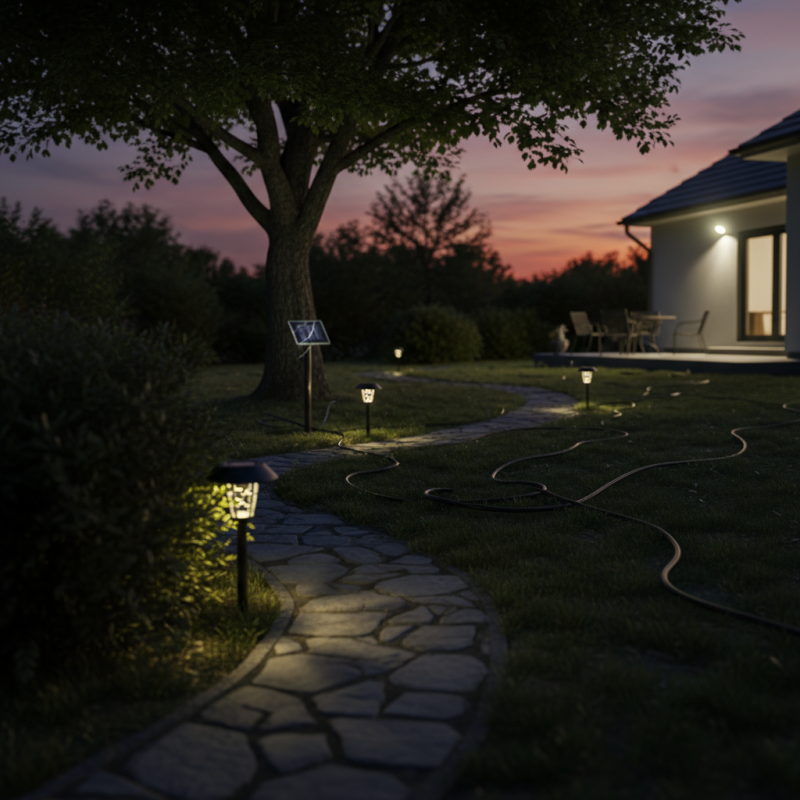
Solar lighting systems integrate various components to harness sunlight efficiently. Key elements include solar panels, batteries, and LED fixtures. Solar panels capture sunlight and convert it into electricity. Batteries store this energy for use during nighttime or cloudy days. LED fixtures illuminate areas effectively while consuming less power. Understanding these components is crucial for optimal installation.
When installing solar lighting, consider location and sunlight exposure. Placing panels in shaded areas can significantly reduce their efficiency. Assess your site to ensure maximum sunlight throughout the day. Regular maintenance is also essential. Dust and debris can accumulate on panels, hindering performance. A quick clean can enhance energy absorption.
Another common mistake is overlooking battery capacity. Choosing the right battery is vital for your system's longevity. Avoid using batteries that can't handle the necessary charge and discharge cycles. Lastly, pay attention to wiring connections. Poor connections can lead to energy loss or malfunctions. Ensure all components are securely connected to optimize performance.
| Mistake | Description | Avoidance Tip |
|---|---|---|
| Poor Site Selection | Installing lights in shaded areas can reduce efficiency. | Assess the site for sunlight exposure before installation. |
| Incorrect Placement | Lights placed too high or incorrect angle can reduce effectiveness. | Follow manufacturer guidelines for optimal placement. |
| Neglecting Maintenance | Ignoring cleaning and battery checks can lead to failures. | Schedule regular maintenance checks to ensure functionality. |
| Using Incompatible Components | Mixing different brands or types could result in performance issues. | Use compatible components as recommended in the system design. |
| Ignoring Local Regulations | Failing to comply with local codes can lead to legal issues. | Check local regulations prior to installation. |
: Proper site assessment maximizes sunlight exposure and energy efficiency. It can enhance performance by 20% to 30%.
Overlooking shading from trees or buildings can obstruct sunlight and decrease efficiency. A shadow analysis is crucial.
Use a compass to understand sun paths throughout the day and year. This analysis impacts your system's functionality.
Conduct a soil test for stability. Poor soil can lead to structural issues over time.
Secure wiring connections enhance efficiency and safety. Improper wiring can decrease energy output by up to 25%.
Ignoring guidelines can hinder performance and void warranties. Always double-check connections for errors.
Regular cleaning is necessary. Dust accumulation reduces efficiency. Use a soft cloth with mild detergent.
Look for dim lighting or the light not turning on. These signals can help prevent unexpected outages.
Yes, inspect for damage regularly. Rodents or weather can wear wiring over time.
Consider relocating them. Adjust their placement to avoid obstructions, improving their performance.
When it comes to solar lighting installation, understanding the system's components is crucial for ensuring optimal performance. One of the key aspects to highlight is "What Are The Common Mistakes In Solar Lighting Installation." These mistakes often stem from inadequate site assessments, leading to improper placement and orientation of solar lights, which can significantly hinder their effectiveness.
Additionally, ensuring correct wiring and electrical connections is essential to prevent malfunction and maximize efficiency. Regular maintenance is also vital; neglecting this can lead to reduced lifespan and performance issues. By being aware of and avoiding these common pitfalls, homeowners can enjoy the full benefits of solar lighting while enhancing safety and aesthetics in their outdoor spaces.

 SWF Lights