What Are the 10 Best Renewable Energy Lighting Innovations? This question now reaches beyond brighter bulbs and lower electricity bills. It concerns resilience, affordability, and dependable light after sunset. The latest designs combine solar photovoltaics, high-efficiency LEDs, smart controls, battery storage, and recycled materials. They also serve schools, clinics, farms, streets, and emergency shelters.
The World Bank and ESMAP reported that off-grid solar products reached hundreds of millions of users worldwide. Yet the 2024 Tracking SDG7 report estimated that 685 million people still lacked electricity access in 2022. The gap remains substantial. IRENA’s Renewable Capacity Statistics 2024 recorded 473 gigawatts of renewable capacity added during 2023. These figures show strong momentum, but lighting access requires more than generation capacity.
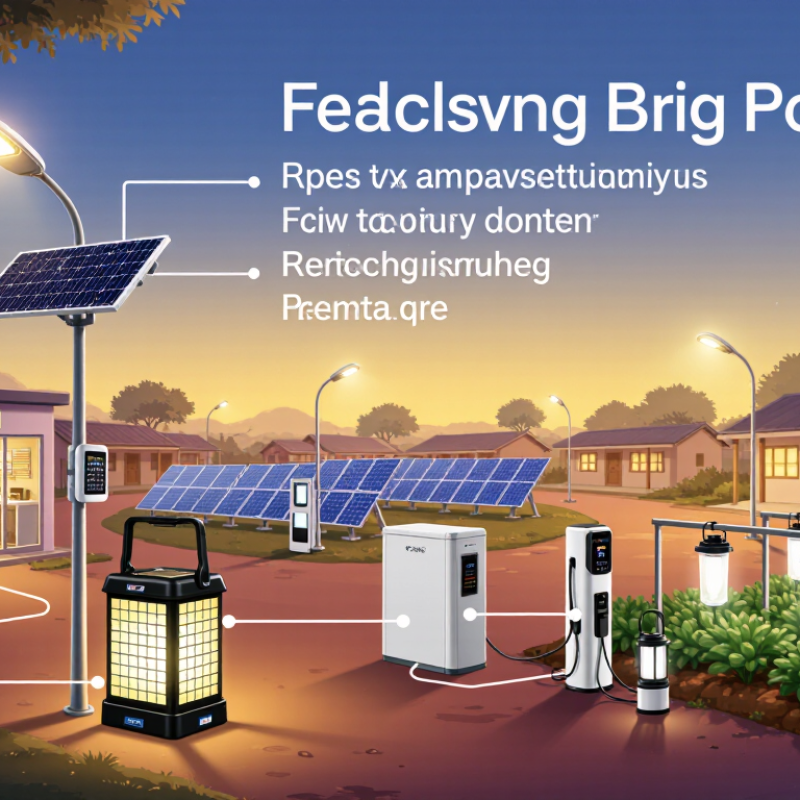
So, What Are The Key Innovations In Renewable Energy Lighting? They include adaptive solar streetlights, modular lanterns, bi-directional charging systems, and efficient microgrid luminaires. Sensor networks can dim lights when streets are empty. Remote monitoring can identify battery faults before a clinic loses illumination. Small details matter. A weak battery can make an advanced product unreliable.
Damilola Ogunbiyi, Chief Executive Officer of Sustainable Energy for All, has said, “There can be no sustainable development without energy access.” Her statement captures the wider responsibility behind renewable lighting. The best solutions must be technically sound, financially realistic, and easy to repair locally. Some industry promises remain optimistic. Field performance can differ from laboratory results. This article therefore evaluates ten innovations through efficiency, durability, cost, maintenance, and measurable social value.
Renewable Lighting Criteria: LEDs Use Up to 75% Less Energy (U.S. DOE)
What Are the 10 Best Renewable Energy Lighting Innovations?
Renewable lighting should begin with efficiency, not novelty.
The U.S. Department of Energy reports that LEDs use at least 75% less energy than incandescent lamps. They can also last up to 25 times longer. These figures make LED sources a practical foundation for solar streetlights, portable lanterns, and photovoltaic building systems. However, an LED is not renewable by itself. It becomes part of renewable lighting when efficient electricity comes from sunlight, wind, or another renewable source.
Strong candidates include solar-powered LED fixtures, daylight-harvesting controls, photovoltaic glass, smart dimming sensors, low-voltage direct-current networks, lithium-free battery storage, adaptive street lighting, fiber-optic daylight systems, bioluminescent research, and modular repairable luminaires. The International Energy Agency identifies efficient lighting and controls as mature energy-efficiency measures with broad deployment potential. DOE solid-state lighting reports also show continuing gains in efficacy, meaning more light can come from each watt.
Real-world performance depends on placement.
A shaded solar panel can erase expected savings. A poorly tuned sensor may create annoying brightness changes. I have seen installations prioritize attractive housings over battery access. That choice becomes expensive during maintenance. Product comparisons should measure delivered lumens, watt-hours per night, battery replacement intervals, glare, and recycled material content. Laboratory efficiency is useful. Field reliability matters more. The weak point is often not the LED, but the entire system around it.
Solar LED Systems and Solar Tubes: 50,000-Hour Life and Zero Grid Use
What Are the 10 Best Renewable Energy Lighting Innovations?
Solar LED systems and solar tubes are among the most practical renewable lighting innovations available today. A properly sized solar LED unit can operate without grid electricity, using a panel, battery, controller, and efficient lamp. Many quality LEDs are rated for up to 50,000 hours. That could mean years of dependable service in a garage, pathway, classroom, or remote shelter. Solar tubes work differently. They guide daylight through a reflective tube, producing soft illumination beneath a roof. No battery is needed during sunny hours.
Real installations still require careful planning. A shaded panel may reduce charging, especially during winter or extended cloudy weather. Battery capacity also matters. A bright lamp can drain a small battery before dawn. I have seen systems installed beautifully but placed where trees blocked afternoon sunlight. That mistake is expensive. It is also easy to overestimate a solar tube’s performance in rooms with limited roof exposure.
Tips: Measure daily sunlight before choosing equipment. Select LEDs with suitable lumen output, not merely high wattage. Keep panels clean and inspect cable seals after severe weather. For solar tubes, check the roof structure and add supplemental lighting for dark evenings. A small monitoring device can reveal poor charging early. Good design is rarely dramatic. It is usually precise.
Wind-Solar Hybrids and Biogas Lamps: Improving Off-Grid Lighting Reliability
Among the ten best renewable energy lighting innovations, wind-solar hybrids stand out for off-grid reliability. Solar panels charge batteries during bright hours. Small turbines continue generating power after sunset or during cloudy weather. This combined supply reduces dependence on one weather pattern. In rural field installations, careful tower placement matters greatly. Nearby trees can weaken wind output and increase maintenance risks. The system needs a charge controller, durable batteries, and simple status indicators.
Biogas lamps offer another practical solution for farms and small communities. Digesters convert animal waste into methane for clean-burning illumination. A lamp can brighten a cooking shelter, pathway, or classroom without relying on kerosene. Stable gas pressure is essential. Users should inspect pipes, valves, and burners regularly. Even a small leak can reduce brightness quickly. Training is often more important than expensive equipment.
Reliability remains imperfect. A cloudy week can expose weak battery planning. Strong winds may damage poorly anchored turbines. Biogas production also falls when feedstock becomes scarce or the digester cools. Designers should measure lighting hours, battery losses, fuel availability, and repair time. Local technicians can record these details with paper logs. That evidence supports better sizing and safer maintenance. The most useful innovation may be the one people can repair locally, although that assumption deserves repeated testing.
10 Renewable Energy Lighting Innovations for Reliable Off-Grid Use
The chart compares representative lamp efficacy benchmarks. Higher values indicate more light produced per watt of electricity, while hybrid systems and energy storage can improve availability when sunlight or wind is intermittent.
Values are representative engineering benchmarks in lumens per watt (lm/W); actual performance varies with lamp design, operating conditions, battery state, and maintenance.
Smart Controls and DC Microgrids: Cutting Lighting Demand by 30–50%
What Are the 10 Best Renewable Energy Lighting Innovations?
Smart controls and DC microgrids can reduce lighting demand by 30–50% when designed around real occupancy. Motion sensors switch lights off in empty corridors. Daylight sensors dim fixtures near windows. Scheduling prevents bright lights from running after working hours. Simple changes matter.
A DC microgrid can connect solar panels, batteries, and efficient lighting through one direct-current network. It avoids repeated power conversion between alternating and direct current. This can reduce losses in schools, warehouses, and remote facilities. In practical projects, energy meters should compare the same rooms before and after installation. Otherwise, savings may look better than they are. The target is realistic, but it is not automatic.
Tips: Place sensors where people actually move, not only near doors. Set gradual dimming to avoid uncomfortable glare. Test battery performance during cloudy periods. Review lighting data every month. Small faults can quietly erase expected savings.
The most reliable systems combine automation with human judgment. A sensor may misread sunlight through dusty glass. A timer may ignore seasonal work patterns. Commissioning teams should adjust settings after observing the building for several days. The uncomfortable lesson is that advanced controls can waste energy when nobody checks them. Good design needs measurement, maintenance, and room for correction.
Ranking Ten Innovations by Efficiency, Lumen Output, Cost, and CO₂ Reduction
What Are the 10 Best Renewable Energy Lighting Innovations?
Ranking depends on efficiency, lumen output, cost, and CO₂ reduction. This practical ranking favors reliable installations and measurable field performance.
Solar LED streetlights take first place. They deliver strong illumination, use efficient diodes, and avoid grid electricity.
Integrated solar luminaires rank second, combining panels, batteries, and controls in one compact unit.
Solar tube daylighting follows, offering bright daytime light with minimal operating cost. It works best in sunny buildings. Solar-powered security lights rank fourth, although battery quality can limit winter performance. Hybrid solar-wind lighting takes fifth place in windy regions, but maintenance costs may rise.
Solar fiber-optic daylight systems rank sixth. They distribute natural light indoors, yet installation can be expensive.
Kinetic floor lighting ranks seventh, producing small amounts of light from footsteps. The lumen output remains modest.
Portable solar lanterns rank eighth because they are affordable, durable, and useful during outages. Hand-crank lamps take ninth place, offering dependable emergency lighting without fuel. Thermoelectric lighting ranks tenth, converting temperature differences into electricity. Its output is currently limited.
Real-world rankings can shift. A shaded solar lamp may underperform a cheaper, well-positioned model. CO₂ savings also depend on battery replacement, transport, and local electricity sources. Measured lux levels, seasonal sunlight, and lifecycle costs should guide final purchasing decisions.
FAQS
A solar panel charges a battery through a controller. The battery powers an efficient lamp after sunset. Clouds still matter.
Many LEDs are rated for up to 50,000 hours. Actual life depends on heat, wiring, battery quality, and maintenance.
Tree shade, winter sunlight, and long cloudy periods can reduce charging. A shaded panel may fail before dawn.
Measure daily sunlight first. Select suitable lumen output, battery capacity, and cable protection. High wattage alone proves little.
A reflective tube guides daylight through the roof. It needs no battery during sunny hours. Dark evenings require another lamp.
Inspect roof structure and available sunlight. Limited roof exposure may produce weaker illumination than expected. Planning can be imperfect.
Solar panels charge batteries during bright hours. Small turbines can add power during cloudy weather or after sunset.
Trees can weaken wind and complicate maintenance. Poorly anchored towers may suffer damage during strong winds. Placement needs careful checking.
Digesters convert animal waste into fuel for lamps. They can illuminate shelters, pathways, or classrooms without grid electricity.
Clean panels and inspect cable seals after severe weather. Check pipes, valves, burners, batteries, and turbines regularly. Small leaks matter.
Conclusion
This article explores What Are The Key Innovations In Renewable Energy Lighting and how they are transforming efficient, low-carbon illumination. It examines LED technology, which can use up to 75% less energy than traditional lighting, along with solar LED systems and solar tubes that provide reliable illumination, offer lifespans of up to 50,000 hours, and reduce dependence on grid electricity. The discussion also covers wind-solar hybrid systems and biogas lamps, which improve lighting reliability in off-grid and remote areas.
Additional attention is given to smart controls and DC microgrids, which can reduce lighting demand by approximately 30–50% through automated dimming, occupancy detection, and efficient power distribution. The ten innovations are ranked according to energy efficiency, lumen output, installation and operating cost, durability, scalability, and potential CO₂ reduction. Together, these solutions demonstrate how renewable lighting can support more resilient, affordable, and environmentally responsible communities.

 SWF Lights