As cities, businesses, and homeowners plan for 2026, solar lighting is becoming a practical choice for paths, parking areas, gardens, and remote sites. What Are The Benefits Of Solar Powered Lighting Solutions? The answer includes lower grid dependence, simpler installation, and light where trenching would be difficult or costly. A pole-top panel can charge a battery through the day, then power an LED fixture after dusk. No underground power cable is needed.
Energy-efficiency expert Amory Lovins is widely associated with the phrase, “The cheapest energy is the energy you don’t use.” That idea helps explain solar lighting’s appeal: efficient LEDs and thoughtful controls can provide useful illumination while reducing demand on grid electricity. The benefits depend on good design, though. Panel size, battery capacity, shade, winter daylight, and local weather all affect performance. Small details matter.
Solar is not magic. A shaded panel or aging battery can leave a walkway dim when people need it most. Maintenance still matters, and upfront costs may be higher than for a basic wired fixture. This guide examines where solar lighting makes sense, which features deserve attention, and how to compare solutions for real-world conditions. It also considers an imperfect but important question: will the light remain dependable through cloudy weeks, not just bright test days? The best option is the one that suits the site, provides adequate illumination, and can be maintained over time.
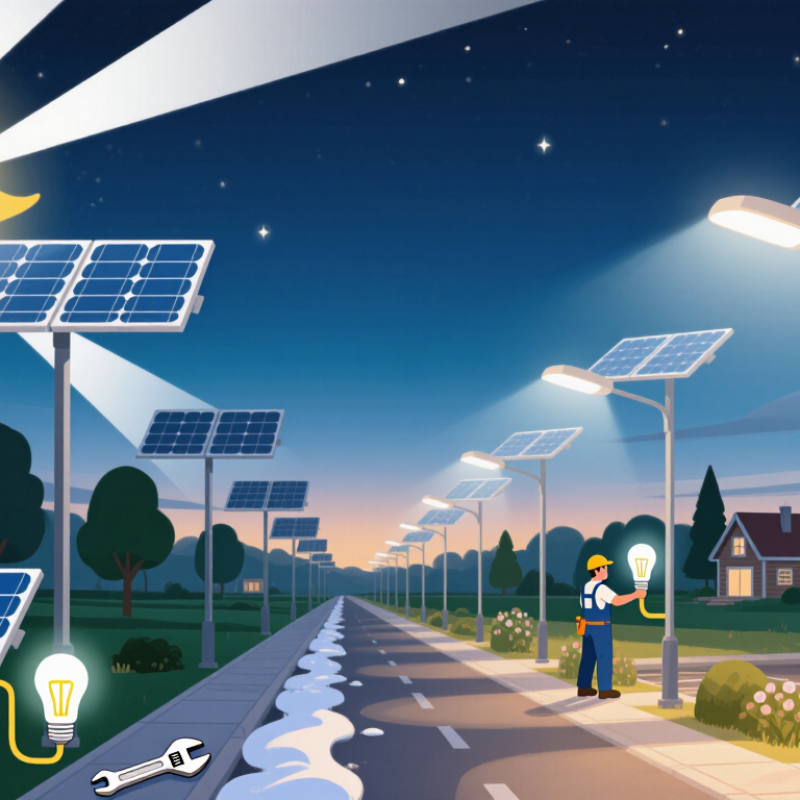
Solar lighting works best when the fixture fits the task. Pathway lights define garden edges, steps, and driveways, helping people see changes in ground level after dusk. Choose shielded fixtures that direct light downward; a bright beam aimed into someone’s eyes can be more nuisance than help. Security lights often combine motion sensors with wider coverage. They can illuminate a gate or shed when movement is detected, while using less energy than constant lighting.
Street systems need stronger panels, larger batteries, and careful spacing to provide steady coverage. Check expected overnight runtime and performance during cloudy periods, not just peak brightness. Portable solar lanterns suit campsites, patios, or power interruptions because they can be repositioned and charged outdoors. Their limits are real: small panels may need a full sunny day, and winter shade can reduce output. A sunny afternoon is not a winter test.
Tips: Place panels where trees and rooflines cast minimal shade. Wipe dust from the panel occasionally, and check battery condition if runtime drops. For pathway lighting, test one fixture after dark before installing a full row. The spacing may look different than expected.
Solar lights turn sunlight into usable electricity through photovoltaic (PV) panels. During daylight, the panels generate direct-current power, which a charge controller directs to the battery. Panel angle, shade, dust, and winter daylight affect how much energy is collected. A small panel under a porch roof may struggle, even on a bright day. Keep it clear. Battery capacity determines how long stored energy can run the light after sunset. Common battery types include lithium-based and nickel-metal hydride, but replacement options and performance vary. Check operating temperatures and expected battery life in the product specifications.
At night, LEDs draw power from the battery, producing light with relatively little energy. A motion sensor or timer can reduce unnecessary runtime; some smart controls also adjust brightness or report battery status. These features help, but they cannot create extra stored energy. A bright setting may leave a path dim before dawn. That happens. Match panel size, battery capacity, and LED output to the location and hours needed. Test the setup across cloudy days, not just the first sunny evening.
I would not treat a “smart” label as proof of better performance: sensor placement and settings matter, and the data can be imperfect. This system has limits.
Solar lighting pairs photovoltaic panels with rechargeable batteries and efficient LEDs, making stored sunlight go further after dusk. The U.S. Department of Energy’s Energy Saver guidance says LEDs use at least 75% less energy than incandescent bulbs. That efficiency matters in a solar fixture: less power per hour can help a small battery keep a path or entryway lit longer. LEDs also produce less waste heat, useful when a compact housing sits in direct sun during the day. A clear benefit. Yet the 75% figure compares lamp energy use, not the total performance of every solar light. Shade, winter daylight, battery age, and sensor settings all affect real results. I would treat advertised runtime as a best-case estimate, not a promise.
Tips: Place the panel where it receives several hours of direct sunlight, and keep it free of dust and leaves. Aim lights at steps or doorways, not windows. Choose a model with a replaceable battery when possible; batteries often age before the LEDs do. Check brightness after a cloudy week, too.
For a fair comparison, note the light’s lumen output, battery capacity, and stated runtime together. A bright beam can drain a battery faster. A dimmer, well-aimed light may serve better. Solar lighting reduces dependence on grid power during operation, but performance is seasonal. That trade-off deserves attention.
| Solar lighting solution | Common applications | How it works | Key benefits | Things to consider |
|---|---|---|---|---|
| Solar pathway lights | Garden paths, borders, and walkways | A small photovoltaic panel charges an onboard rechargeable battery during daylight; the light typically turns on automatically when it gets dark. | Simple placement without trenching or wiring; useful for low-level wayfinding. | Light output and runtime depend on sunlight, battery condition, and shade. These are generally accent or pathway lights, not substitutes for high-output security lighting. |
| Solar security floodlights | Entrances, garages, and outdoor work areas | A solar panel charges a battery that powers LED lamps; many models use a motion sensor to switch to brighter illumination when activity is detected. | Can provide outdoor lighting without a connection to household wiring; motion control can limit the time the light operates at full brightness. | Choose a suitable coverage area and mount the panel where it receives direct sun. Sensor range and performance vary by product and installation. |
| Solar wall lights | Walls, fences, porches, and outdoor steps | An integrated or separately positioned photovoltaic panel charges a battery for use after dark. | Adds localized illumination where running electrical wiring may be inconvenient; available in downward, upward, or diffused lighting designs. | Wall orientation, shadows, and seasonal daylight affect charging. Confirm that the selected fixture is rated for its intended outdoor exposure. |
| Solar post and area lights | Driveways, yards, and open outdoor spaces | A solar panel charges an onboard battery, which supplies the LED light after sunset. | Can illuminate an area without a nearby electrical outlet; useful where standalone placement is preferred. | Check the intended illumination area and available sun exposure. A single fixture may not provide uniform light across a large space. |
| Solar string lights | Patios, pergolas, and decorative outdoor settings | A separate or attached solar panel charges a battery that powers a series of small lamps after dark. | Flexible for decorative layouts and does not require an outdoor mains outlet when operating from its solar-charged battery. | Typically intended for ambience rather than task lighting. Place the panel in a sunny location and follow the product’s weather-use instructions. |
| Solar-powered outdoor lamp with replaceable battery | Gardens, patios, and locations where battery servicing matters | A photovoltaic panel charges a rechargeable battery that supplies the LED light; the battery can be replaced when compatible and permitted by the product design. | A replaceable battery can make servicing easier than replacing an entire fixture, depending on availability of the correct battery. | Check battery type, replacement instructions, and safe disposal or recycling guidance. Do not substitute a non-rechargeable battery in a charging circuit. |
| Energy note: The U.S. Department of Energy states that residential LEDs use at least 75% less energy and last up to 25 times longer than incandescent lighting. Solar fixtures add a photovoltaic panel and rechargeable battery, so their charging and operating performance depends on sunlight, placement, design, and battery condition. The LED comparison is not a guarantee of a specific solar fixture’s runtime or savings. | ||||
Solar lighting can reduce wiring needs and provide useful illumination along paths, steps, and garden edges. Its service-life advantage often comes from the LED. The U.S. Department of Energy says LEDs can last up to 25 times longer than incandescent bulbs. That is a potential bulb-life comparison, not a promise that every solar fixture will last that long.
The difference matters when a light is mounted beside a gravel path or above a gate, where frequent replacement is awkward. LEDs also use energy efficiently, helping a small solar panel and battery power light after dusk. Still, “up to” is important. Heat, moisture, charging conditions, and component quality affect real-world performance. The battery may need attention long before the LED fails. That can be easy to overlook.
Tips: Choose fixtures with replaceable batteries and a clearly stated LED service life. Place panels where they receive several hours of direct sun, and wipe dust from the surface with a soft cloth. Check that nearby shrubs do not cast growing shadows. A long-lasting LED helps, but it cannot compensate for poor charging or a weak battery. I would compare those details, not just the advertised lifespan.
Typical service-life comparison, in operating hours. DOE reports that LED bulbs can last up to 25 times longer than incandescent bulbs.
Longer-lasting LEDs can reduce how often lighting needs to be replaced. Actual service life varies with product and operating conditions.
Choosing solar lighting in 2026 starts with the job, not the biggest number on the box. About 100–200 lumens may suit a short garden path, while a driveway usually needs broader coverage and stronger output. These are starting points, not guarantees. Check whether the listed lumen figure applies continuously or only in a brief boost mode. Some fixtures dim after motion ends or as batteries drain, so read the operating modes carefully. Runtime needs context. A claimed ten-hour night may assume a full charge and low output, conditions a shaded winter yard may not provide. Check panel placement, seasonal sunlight, and the hours you actually need.
Battery capacity affects how reliably a light runs through cloudy stretches. Compare capacity alongside charging time and expected runtime, rather than treating a large battery as an automatic advantage. If possible, check whether the battery can be replaced and how cold weather may affect performance. Then match the IP rating to its location. IP65 generally indicates protection from dust and water jets, but it does not mean a fixture can be submerged. Look at cable entries, seals, and exposure to sprinklers. I would still inspect those details after installation; ratings cannot correct poor placement, and that part is easy to overlook.
Photovoltaic panels convert daylight into electricity. A controller sends power to the battery. After sunset, LEDs use the stored energy.
Choose a spot with several hours of direct sunlight. Keep the panel clear of dust, roof shade, and growing shrubs. Shade matters.
Runtime depends on battery capacity, sunlight, and brightness settings. A ten-hour claim may assume a full charge and low output. Cloudy winter days can shorten it.
Around 100–200 lumens may work for a short path. Check whether that output is continuous or only a brief boost. Bigger numbers are not always better.
Replaceable batteries can make maintenance easier. Battery performance varies with age and temperature, and the battery may need attention before the LED does.
LEDs can last up to 25 times longer than incandescent bulbs. That is a potential bulb-life comparison, not a guarantee for the whole fixture. Conditions matter.
IP65 generally indicates protection from dust and water jets. It does not mean the light can be submerged. Check seals and cable entries near sprinklers.
They can reduce wasted runtime or adjust brightness. They cannot create extra stored energy. Sensor placement matters, and status readings may be imperfect. I might overlook that detail.
What Are The Benefits Of Solar Powered Lighting Solutions? They provide practical illumination while drawing energy from sunlight, helping reduce electricity use and simplifying installation where wiring is inconvenient. Solar options include pathway lights for walkways and gardens, security lights for entrances, street lights for outdoor areas, and portable systems for flexible use. Most combine a photovoltaic panel, a rechargeable battery, efficient LEDs, and, in some models, smart controls that manage brightness or switch lights on automatically.
LEDs are a key part of their efficiency: the U.S. Department of Energy states that they use at least 75% less energy and can last up to 25 times longer than incandescent lighting. When choosing a solar light in 2026, compare brightness in lumens, expected runtime, battery capacity and replacement options, and the IP rating for resistance to dust and water. Matching these features to the location and intended use can help ensure dependable lighting and better long-term value.

SWF Lights