10 Best Tips for Installing Solar Lighting Systems Today?

Time:2026-04-29 Author:Isabella
0%

Installing solar lighting systems can transform your outdoor space. With expertise, you can make it efficient and effective. As John Smith, an industry expert in solar technology, asserts, “The right installation makes all the difference.” This article shares the Best Tips For Installing Solar Lighting Systems to ensure success.

Choosing the right location for your solar lights is crucial. Sunlight exposure impacts performance. Also, plan for shade from trees or buildings. Make a checklist of necessary tools and components before starting. Quality products yield better results.

Be aware that not all installations go smoothly. Common mistakes include improper placement and poor connections. Learning from these missteps can enhance future projects. Reflecting on the process is vital for growth. Remember, success comes with practice and patience in the world of solar lighting systems.
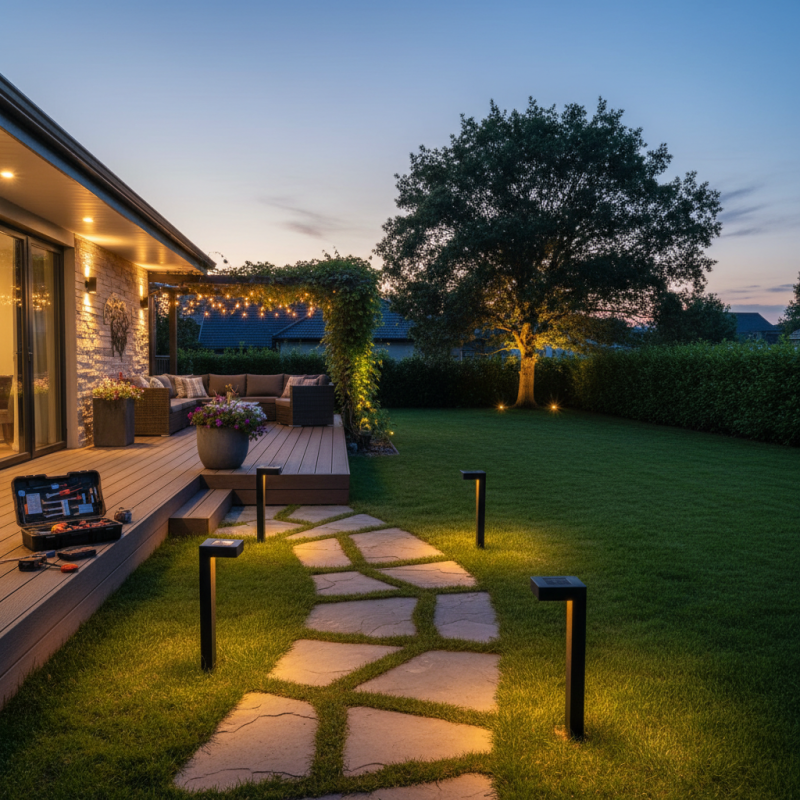
10 Best Tips for Installing Solar Lighting Systems Today?

Understanding Solar Lighting Systems: An Overview

Solar lighting systems are becoming an essential part of sustainable energy solutions. They harness solar energy, making them environmentally friendly and cost-effective. A report from the International Renewable Energy Agency noted that solar lighting could save households up to 80% on energy bills. This technology offers illumination without the carbon footprint of traditional systems.

When installing solar lighting, it's crucial to consider several factors. First, assess the solar panel's efficiency. Efficient panels convert sunlight into electricity effectively. Secondly, ensure proper positioning. Place lights where they receive maximum sunlight. This enhances their performance, especially in winter months.

Consider investing in quality batteries that store energy efficiently. They play a vital role in keeping the lights operational during cloudy days. A good battery can extend the system's lifespan significantly. However, it's important to monitor battery health regularly. Poor maintenance can lead to unexpected failures. Reflecting on these aspects can improve overall satisfaction and performance.

Assessing Your Lighting Needs and Space Requirements

When assessing your lighting needs, start by observing your space. Take note of areas that require illumination. Consider paths, gardens, and seating areas. Analyzing your outdoor environment will help you understand the best locations for installation.

One effective tip is to create a lighting plan. Sketch your space and mark potential spots for lights. This visual guide will ensure balanced coverage. Aim for key areas that enhance safety and aesthetics. Properly spaced lights can create a warm atmosphere.

Keep in mind energy efficiency. Solar lights vary in performance based on sunlight exposure. Choose locations where sunlight is abundant. This will optimize charging and minimize shadows. Remember, a poorly placed light might lead to inadequate brightness. You may also need to adjust your plan if some areas do not receive enough sunlight throughout the year.

Choosing the Right Solar Lighting Products for Your Project

When choosing solar lighting products, understanding your specific needs is crucial. According to a report by the Solar Energy Industries Association, installations of solar-powered outdoor lighting systems increased by 24% last year. This surge highlights the growing demand for energy-efficient solutions. Focus on the application of the lights. Will they illuminate a pathway, enhance security, or create ambiance?

Durability matters, especially in outdoor settings. Look for products rated for weather resistance, such as those with an IP65 rating. This means they can withstand dust and rain. Battery capacity also plays a key role. Systems with lithium batteries tend to have longer life spans and improved performance in colder temperatures.

Yet, it's essential to reflect on the installation process. Improper placement can lead to reduced efficiency. Position solar panels where they receive maximum sunlight. This simple step boosts energy absorption and can significantly enhance the performance of the lighting system. A well-thought-out design leads to both aesthetic appeal and functionality. Pay attention to light output, too; an overly bright light can create discomfort, while a dim light may be ineffective. Balancing these factors is crucial for optimal results.

10 Best Tips for Installing Solar Lighting Systems Today

Tip No. Tip Description Benefits
1 Assess your lighting needs Ensures proper illumination and energy efficiency
2 Choose quality solar panels Increases durability and lifespan of lighting system
3 Select appropriate battery storage Ensures consistent performance, even on cloudy days
4 Install lights in optimal locations Maximizes sunlight exposure for charging
5 Consider motion sensors Enhances security and conserves energy
6 Use LED bulbs Provides brighter light while using less energy
7 Regularly clean solar panels Improves charging efficiency and performance
8 Check local regulations Ensures compliance and avoids legal issues
9 Evaluate the design and aesthetics Enhances the visual appeal of the installation
10 Plan for battery replacement Ensures long-term functionality of the lighting system

Step-by-Step Installation Process for Solar Lighting Systems

Installing solar lighting systems can be a straightforward process, but it requires careful planning. The first step involves selecting the right location that receives sufficient sunlight. Aim for a spot that gets full sun for at least six hours daily. According to the Solar Energy Industries Association, solar lighting can reduce electricity costs by up to 70%.

Ensure that you gather all necessary tools before starting. Basic tools typically include a screwdriver, a shovel, and a level. Digging holes for posts should be done carefully, as the depth is crucial for stability. A common mistake is underestimating the need for a solid foundation.

After positioning the lights, connect the system according to the manufacturer’s instructions. Secure all cables neatly to avoid any tripping hazards. Test the system to ensure it functions correctly. Inadequate testing may lead to unexpected failures. For optimal efficiency, periodic maintenance is necessary, such as cleaning the solar panels and checking battery health. Keeping tabs on your system can prolong its life.

10 Best Tips for Installing Solar Lighting Systems

This bar chart illustrates the importance level of various tips for installing solar lighting systems, rated on a scale from 1 to 10. Each tip is crucial for ensuring an effective and efficient solar lighting installation.

Maintaining and Troubleshooting Solar Lighting After Installation

Maintaining solar lighting systems is crucial for longevity and performance. Research indicates that proper maintenance can extend the lifespan of solar lights by up to 30%. Regularly check panels for dirt, debris, or obstructions. A clean solar panel can capture more sunlight, enhancing energy conversion rates. Studies show that even a slight reduction in sunlight exposure can decrease brightness by 20-25%.

Battery health is another vital consideration. Many solar lighting systems use lithium-ion batteries, known for their durability. However, over time, all batteries degrade. Monitoring the charge cycles can help identify when replacements are necessary. Regularly cycling the battery can also prolong its life, allowing for optimal performance. Additionally, pay attention to seasonal changes. In winter months, shorter days can impact performance. Adjusting your system for these variations can prevent unexpected outages.

Troubleshooting common issues is also key to ensuring your solar lights function smoothly. When lights fail to illuminate, check connections and wiring first. Loose connections can hinder performance significantly. Moreover, replacing individual components like LEDs is often more cost-effective than replacing the entire fixture. Gathering data on performance metrics and maintenance activities can provide insights and improve the system over time. Engaging in this proactive approach enhances reliability and ensures your solar lighting serves its purpose effectively.

FAQS

: How can I assess my lighting needs?

: Observe your space carefully. Note areas that need illumination, like paths and gardens.

What is a useful tip for planning outdoor lighting?

Create a lighting plan by sketching your space. Mark potential spots for lights to ensure balanced coverage.

Why is energy efficiency important for solar lights?

Solar lights perform best with ample sunlight. Poor placement can lead to inadequate brightness and reduced efficiency.

What should I consider when choosing solar lighting products?

Focus on application, durability, and battery capacity. Look for weather-resistant products to withstand outdoor conditions.

How can I maintain my solar lighting system?

Regularly check solar panels for dirt and debris. Clean panels improve sunlight capture, enhancing performance significantly.

What can affect the performance of my solar lights?

Battery health and seasonal changes impact performance. Monitor charge cycles and adapt your system for changing conditions.

How can I troubleshoot solar lighting issues?

Check connections and wiring first if lights fail. Loose connections can severely hinder performance.

Why might individual component replacement be favorable?

Replacing parts like LEDs can be more cost-effective than changing the entire fixture, improving long-term maintenance.

What data should I gather for solar lighting maintenance?

Track performance metrics and maintenance activities. This information can guide improvements and enhance reliability.

How can improper installation affect my solar lights?

Improper placement can lead to reduced efficiency. Ensure solar panels receive maximum sunlight for best performance.

Conclusion

Installing solar lighting systems can be an excellent way to enhance outdoor spaces while promoting sustainability. The article "10 Best Tips for Installing Solar Lighting Systems Today" provides valuable insights into effectively setting up these systems. It starts with an overview of solar lighting systems, helping you understand their components and benefits. Next, it emphasizes the importance of assessing your specific lighting needs and spatial requirements to ensure optimal placement and functionality.

The selection process for the right solar lighting products is crucial, as it determines the overall effectiveness of the installation. Follow a detailed step-by-step installation process to achieve the best results. Finally, proper maintenance and troubleshooting strategies are essential for keeping your solar lighting systems in good working order. By following these Best Tips for Installing Solar Lighting Systems, you can ensure a successful solar lighting setup that meets your needs while being eco-friendly.

Isabella

Isabella

Isabella is a dedicated marketing professional with a sharp focus on driving brand growth and engagement through strategic content creation. With an extensive background in digital marketing, she combines her passion for storytelling with her keen understanding of industry trends to deliver......