As energy costs rise and environmental concerns increase, more people seek sustainable solutions. Solar lighting systems emerge as a viable option. They not only illuminate spaces but also lower energy consumption. Understanding how to improve energy efficiency with solar lighting can lead to significant advantages.
Implementing solar lights can seem daunting. However, the benefits are substantial. These systems harness sunlight, providing free energy after the initial investment. Surprisingly, many underestimate the power of solar lighting in reducing electricity bills. By exploring various options, we can identify the best fit for our needs.
Yet, transitioning to solar isn’t without challenges. Factors like installation costs and location impact effectiveness. Balancing these considerations is essential. With thoughtful planning and knowledge, we can enhance energy efficiency and embrace a sustainable future through solar solutions.
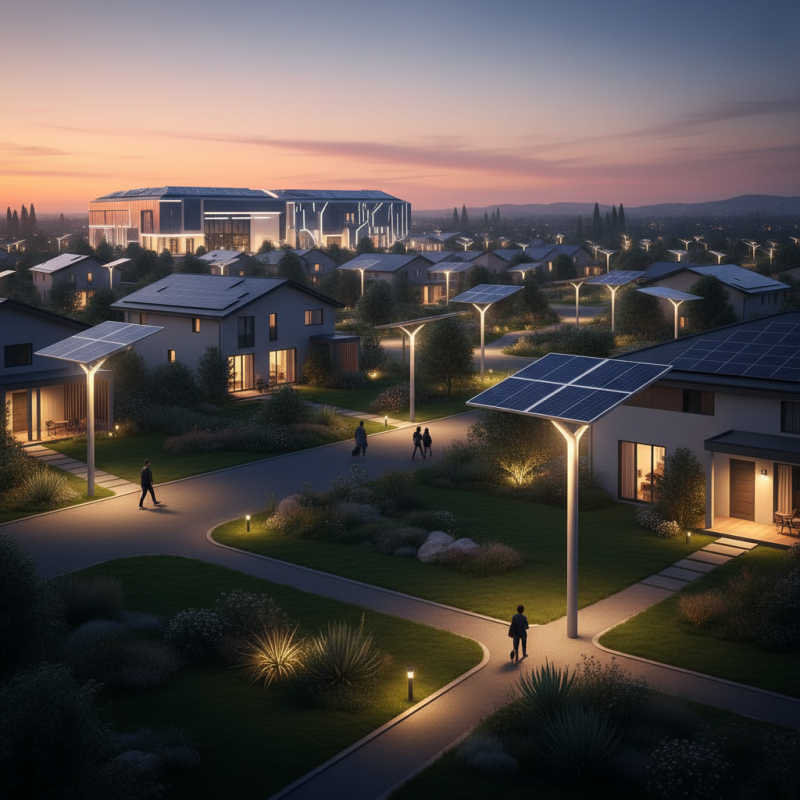
Understanding Solar Lighting Solutions and Their Benefits
Solar lighting solutions are transforming how we address energy efficiency. These systems harness sunlight to power outdoor and indoor lighting. By utilizing solar panels, they convert sunlight into usable energy. This not only reduces electricity costs but also lessens our ecological footprint.
The benefits are numerous. First, solar lighting requires minimal maintenance. Once installed, they operate independently, needing only occasional cleaning and battery replacement. Additionally, these lights can be placed in remote areas without the hassle of wiring. This flexibility allows homeowners and businesses to light spaces creatively. However, there's a learning curve. Understanding the energy needs and location for optimal sunlight exposure is crucial.
Moreover, while solar lighting can be a sustainable choice, it's not devoid of challenges. Initial installation costs may deter some. Solar panels also depend on sufficient sunlight, which can be a limitation in areas with frequent cloud cover. This reality prompts users to critically assess their unique circumstances and find the most effective use of solar technology.
Evaluating Energy Efficiency Metrics in Solar Lighting
Solar lighting solutions can vastly improve energy efficiency metrics. According to recent studies, solar lighting reduces energy consumption by up to 70%. This reduction is crucial since buildings account for nearly 40% of global energy use. Evaluating energy efficiency requires analyzing factors like lumens output, battery lifespan, and the overall sustainability of materials used.
Tip: Choose solar lights with high lumen output. These lights provide more brightness for less energy. Look for products that utilize advanced solar panels. They often have better efficiency in converting sunlight into usable energy.
Despite the benefits, there are challenges. One concern is the inconsistency of sunlight due to weather conditions. During cloudy periods, solar lights may not perform optimally. Data shows that even slight reductions in sunlight can cut energy conversion rates by up to 50%. It’s essential to select solar lights designed for durability and efficiency in varied climates.
Tip: When evaluating options, check battery specifications. A quality battery can store energy longer, ensuring performance during low-sunlight days. Also, consider how positioning impacts light exposure. Correct orientation can significantly enhance energy efficiency.
Key Components of Solar Lighting Systems for Optimal Performance
Proper installation of solar lighting is crucial. A well-constructed solar panel needs direct sunlight exposure. Consider positioning it on rooftops or open spaces for maximum efficiency. Batteries play a vital role, storing energy generated during the day. Opt for high-capacity batteries to ensure longevity.
To enhance performance, regularly clean solar panels. Dust and debris can block solar energy absorption. Depending on your location, schedule cleaning every few months. Use a soft cloth and gentle soap to avoid damage.
Think about smart controls. These components can adjust lighting based on the natural sunlight available. Integrating motion sensors can also conserve energy when areas are unoccupied. This step not only saves power but reduces your overall energy costs.
Steps to Implement Solar Lighting Solutions Effectively
Implementing solar lighting solutions can significantly enhance energy efficiency. The process begins with a thorough site assessment. Understand sunlight patterns in your area. This step is crucial to identify optimal locations for solar lights. Poor light placement can result in inadequate illumination and wasted energy.
Next, selecting the appropriate solar lighting systems is essential. According to a recent report by the U.S. Department of Energy, solar outdoor lighting can reduce energy consumption by up to 80%. Choose fixtures that match your needs. Consider factors such as brightness, battery capacity, and lifespan. Ensuring reliability is key. Some systems do not perform well in cloudy areas. Research and choose wisely.
Installation is another critical phase. Follow the manufacturer's guidelines closely. Improper installation can lead to system failures and increased maintenance costs. Regular monitoring is important. Assess the performance of your solar lights routinely. Address any issues quickly to maintain efficiency. Many users overlook the need to clean solar panels. Dirt and debris can diminish energy absorption. Reflecting on these factors can lead to more successful solar lighting integration.
Measuring the Impact of Solar Lighting on Overall Energy Savings
Solar lighting solutions can significantly impact energy savings. By harnessing the power of the sun, these systems reduce reliance on traditional energy sources. They utilize photovoltaic panels, which collect sunlight and convert it into electricity. This process minimizes energy costs and carbon footprints.
In various studies, solar lighting has shown to decrease electricity usage. For example, public spaces illuminated with solar lights have reported lower energy bills. However, efficiency can vary based on location and sunlight availability. In regions with ample sun, the benefits are more pronounced. Conversely, areas with less sunlight may require backup systems.
Cost savings are not the only factor to consider. Solar lighting can enhance safety and aesthetics in outdoor areas. Yet, installation does come with upfront costs. Maintenance is often lower than conventional lighting, but system failures can occur. These challenges require careful consideration and planning to maximize benefits.
FAQS
: Solar lighting can reduce energy consumption by up to 70%. This is significant for energy efficiency.
Inconsistent sunlight can reduce energy conversion rates by up to 50%. Weather impacts are a key concern.
High lumen output ensures more brightness using less energy. It's crucial for effective solar lighting.
Batteries store energy collected during the day. High-capacity batteries ensure longer performance.
Positioning solar panels in direct sunlight boosts energy absorption. Rooftops work well for maximum exposure.
Regularly cleaning solar panels is essential. Dust can block energy absorption, so schedule cleaning frequently.
Smart controls adjust lighting based on sunlight conditions. They help conserve energy in unoccupied areas.
Installation has upfront costs and potential system failures. Careful planning is needed to maximize benefits.
Yes, solar lighting enhances safety in outdoor areas. It also adds to the aesthetic appeal.
Check battery specifications, lumen output, and materials. Each factor impacts overall energy efficiency significantly.
Conclusion
In exploring "How To Improve Energy Efficiency With Solar Lighting," it is essential to understand the fundamental benefits of solar lighting solutions. These systems harness solar energy, reducing reliance on conventional electricity while minimizing environmental impact. Evaluating energy efficiency metrics such as lumens per watt can help in selecting the most suitable solar lighting options that provide optimal brightness while consuming less energy.
Key components like solar panels, batteries, and LED lights play a crucial role in enhancing the performance of solar lighting systems. To implement these solutions effectively, one should follow structured steps, including site evaluation, planning, and installation. Finally, measuring the impact of solar lighting on overall energy savings involves tracking energy consumption before and after installation, thereby demonstrating the effectiveness of these sustainable lighting solutions in boosting energy efficiency.

 SWF Lights