Choosing the right lighting systems for large outdoor areas is crucial for both safety and aesthetics. Industry expert John Harrington, a renowned lighting designer with over 20 years of experience, states, "Effective lighting not only enhances beauty but also ensures security."
When considering how to choose lighting systems for large outdoor areas, there are several factors to keep in mind. The purpose of the space significantly influences the lighting choices. For instance, commercial areas may require brighter, more focused lights, while parks need softer, ambient lighting for a relaxing atmosphere.
Reflecting on past projects, many have faced challenges in selecting the perfect fixtures. Some fixtures may look appealing but fail to deliver adequate illumination. It's essential to balance design with functionality. Engaging a professional can help navigate these complexities. Remember that trial and error is part of the process.
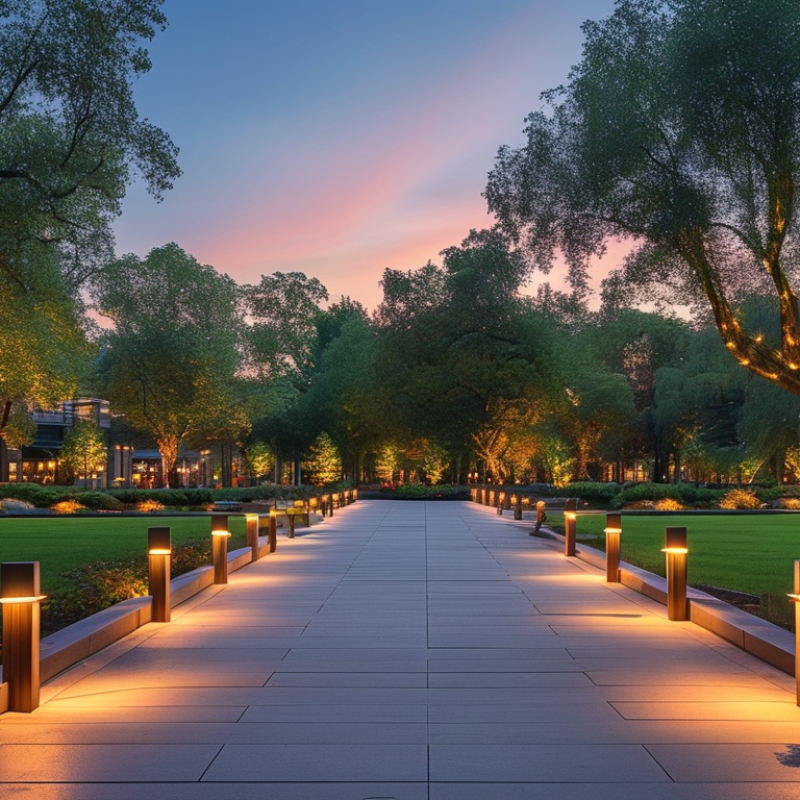
Selecting the right lighting system for large outdoor areas starts with understanding the purpose of the space. Different activities require varying levels of illumination. For instance, a sports field needs bright, focused light to enhance visibility during games. Conversely, a park designed for relaxation may benefit from softer, ambient lighting.
Activity levels also play a significant role in lighting decisions. High-traffic areas need brighter lights for safety and convenience. Paths, walkways, and gathering spots should be well-lit to prevent accidents. In contrast, quieter zones can have lower light levels, encouraging a calm environment. However, it’s easy to overlook potential dark spots or glare that can arise.
Consideration of the intended use and activity levels offers a more tailored approach. Yet, it’s crucial to reassess as these needs may evolve over time. Regular evaluations of lighting effectiveness can highlight areas that require adjustment. Budget constraints may also influence choices, sometimes leading to compromises on quality. Balancing aesthetics and functionality can be challenging, but thoughtful planning ensures effective outdoor lighting solutions.
| Lighting Type | Purpose | Recommended Activity Levels | Lighting Features |
|---|---|---|---|
| LED Flood Lights | General Illumination | High Activity | Energy Efficient, Wide Coverage |
| Solar Path Lights | Pathway Illumination | Low to Moderate Activity | Eco-Friendly, Low Maintenance |
| Motion Sensor Lights | Security Lighting | Low Activity | Automatic Activation, Cost Effective |
| String Lights | Aesthetic Decoration | Social Gatherings | Flexible Design, Warm Ambiance |
| High Mast Lighting | Sports Complexes | High Activity | High Intensity, Long Reach |
: LED floodlights are bright and energy-efficient. Path lights enhance safety. Wall-mounted sconces add style, and string lights create ambiance.
Yes, they last longer and save energy. However, their higher upfront cost can be a concern for some budgets.
They reduce electricity reliance and cut costs. However, their performance can suffer in overcast or shaded conditions.
Placement is crucial. Poor positioning can create unwanted shadows, affecting the overall effectiveness of the lighting.
String lights create a charming atmosphere but may lack the brightness for practical tasks like security or navigation.
Use solar lights and motion sensors to save energy. Regular maintenance, like cleaning panels, ensures optimal performance.
Think about aesthetics and functionality. Proper placement can highlight features and increase safety while reducing light pollution.
Yes, excess light spill can disrupt the environment. Aim for designs that minimize light pollution while maintaining effectiveness.
Clean solar panels regularly and consider their placement. They work best in direct sunlight to maximize efficiency.
Balancing aesthetics and functionality can be hard. Reflecting on your space layout and light requirements is essential.
When considering "How To Choose Lighting Systems For Large Outdoor Areas," it is essential to start by evaluating the purpose and activity levels of the space, as this will guide the lighting needs. Different types of lighting fixtures must be assessed for their suitability, factoring in both aesthetic and functional requirements. Additionally, energy efficiency and sustainability options should be prioritized to minimize environmental impact and operational costs.
To ensure optimal performance, determining the necessary brightness and coverage is crucial, as it directly affects visibility and safety. Lastly, planning for installation and maintenance is vital to ensure long-term functionality and reliability of the lighting system. By carefully following these steps, one can effectively choose the right lighting solution for expansive outdoor areas.

 SWF Lights