How To Choose The Right Solar Lights For Your Outdoor Areas

Time:2026-03-20 Author:Sienna
0%

Choosing the right solar lights for your outdoor areas can be overwhelming. According to John Green, an expert in solar energy solutions, "Quality lighting transforms outdoor spaces." His perspective emphasizes the importance of making informed decisions.

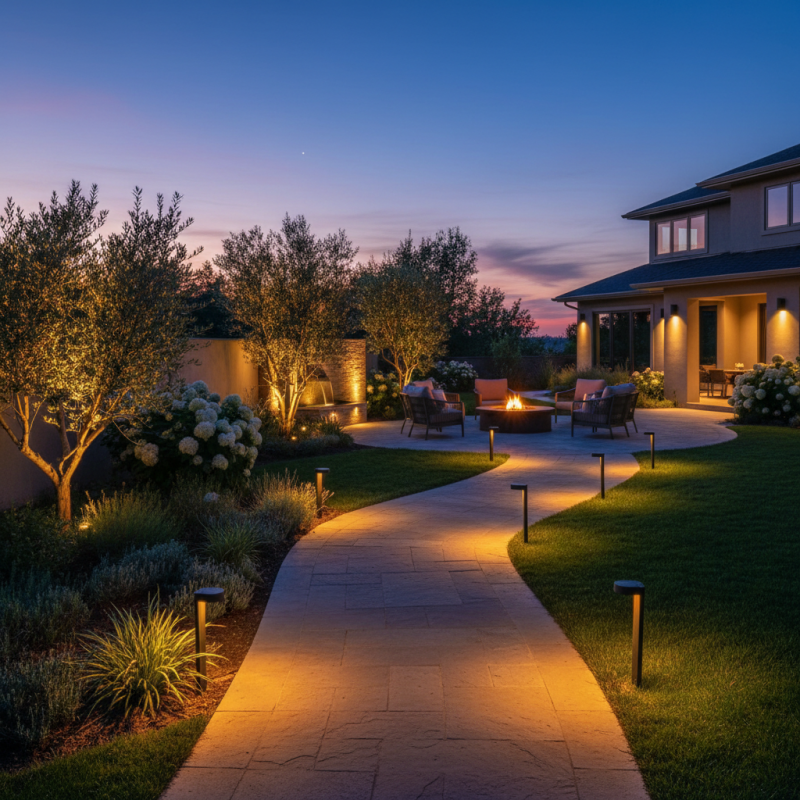
When contemplating how to choose the right solar lighting for outdoor spaces, consider various factors. The size of your area matters. Larger spaces may require multiple fixtures. Additionally, the type of solar lights affects ambiance. For example, path lights create guided pathways, while spotlights highlight specific features.

Many people overlook battery capacity. Insufficient power may lead to dim lighting at night. Remember, not all lights are equal. Some brands offer great performance, while others fail quickly. Take time to research and find the best options for your environment. Each choice should reflect your style and meet functional needs.
How To Choose The Right Solar Lights For Your Outdoor Areas

Factors to Consider When Choosing Solar Lights for Outdoor Areas

When selecting solar lights for outdoor areas, consider the brightness you need. Look at lumens, not just watts. Lumens measure light output. Aim for at least 100 lumens for pathways. For larger areas, 300 lumens or more is ideal.

Think about the location of your lights. Shade from trees can reduce solar efficiency. Test different spots. You might find some areas do not collect enough sunlight. This can be frustrating, but it’s important to adapt your plan.

Tips:
Choose models with adjustable brightness settings. This adds versatility. Some occasions may require softer lighting. In contrast, others may need bright illumination. Additionally, check battery life. Longer battery life means less hassle.

Lastly, consider the design and materials. Solar lights should withstand weather conditions. Plastic may warp in heat. Metal can rust. Finding a balance here is vital. With these factors in mind, you’ll make a more informed choice.

How To Choose The Right Solar Lights For Your Outdoor Areas

Factor Description Considerations
Brightness Measured in lumens; determines how bright the light is. Choose higher lumens for larger areas.
Battery Capacity Determines how long the lights will last during the night. Consider rechargeable options and longer-lasting batteries.
Material Materials can impact durability and resistance to weather. Look for weather-resistant materials like ABS plastic or stainless steel.
Lighting Mode Different modes: constant light, flashing, or dimming. Select based on your security needs or ambiance preferences.
Solar Panel Efficiency How well the solar panel converts sunlight into energy. Opt for higher efficiency panels for better performance in low light.
Design The aesthetic appeal and style of the lights. Choose designs that complement your outdoor decor.
Installation Ease of installation - plug and play vs. complex setups. Consider your comfort level with DIY installations.

Understanding the Different Types of Solar Lights Available on the Market

When selecting solar lights for outdoor areas, understanding the various types is essential. Solar path lights are popular for illuminating walkways and gardens. They typically feature LED bulbs, which are energy-efficient and long-lasting. According to a report by the Solar Energy Industries Association, the market for solar lighting is expected to grow by over 20% annually. This trend indicates increasing consumer interest and advancement in technology.

Another type is solar floodlights, which provide powerful illumination for larger areas. These lights often have adjustable brightness settings, allowing you to customize the light output based on your needs. For instance, some models can detect motion and offer bright bursts of light when someone approaches. However, they may sometimes require careful positioning to maximize sunlight exposure during the day.

Solar string lights add charm to outdoor spaces, perfect for patios or decks. They create a cozy atmosphere and are typically easy to install. However, their effectiveness may be hindered by cloudy weather. Some users report that these lights don't perform well in low-light conditions. Therefore, assessing your area’s sunlight exposure is crucial before making a purchase. Knowing these details ensures you choose solar lights that truly meet your outdoor lighting needs.

Evaluating Lumens and Brightness for Effective Outdoor Illumination

When choosing solar lights for your outdoor areas, understanding lumens and brightness is crucial. Lumens measure the total light output. More lumens indicate brighter lights. For general garden use, 100 to 200 lumens work well. Pathway lights might need 80 to 120 lumens. Spotlights or floodlights require 700 lumens or more for effective illumination.

Consider the area you want to light. If it's a large backyard, you might need multiple lights. Each light should have adequate brightness for the space. It’s easy to underestimate the lumens needed. You may end up with dim lighting that fails to illuminate paths or highlight features. Test different placements before finalizing the setup.

Tips: Always check how solar lights perform during cloudy days. Some lights may not charge as effectively. This can lead to unexpected darkness at night. Also, be wary of overly bright lights. They can create uncomfortable glare. A balance between brightness and comfort is essential. Don’t rush your decision; take time to evaluate what works best for your outdoor ambiance.

Importance of Battery Capacity and Charging Time in Solar Lighting

Choosing the right solar lights involves understanding battery capacity and charging time. These factors significantly affect performance and reliability. A higher battery capacity means longer usage. For example, many quality solar lights feature batteries ranging from 2000 mAh to 4000 mAh. A 2000 mAh battery can provide light for about 6-8 hours after a full charge, while a 4000 mAh battery can last over 12 hours.

Charging time also plays a critical role. Most solar lights require 4 to 8 hours of direct sunlight for a full charge. However, weather conditions impact charging efficiency. Overcast days can extend charging time. Reports indicate that on cloudy days, solar lights might only gain 50% of the full charge. It's worth considering if the installation location gets ample sunlight.

In addition, improper placement of solar lights can lead to poor performance. If they are too shaded, their batteries won’t charge adequately. Users sometimes overlook checking seasonal changes in sunlight availability, which can affect operation. Hence, it's vital to evaluate both battery capacity and charging time to ensure optimal solar performance in outdoor spaces.

Assessing Durability and Weather Resistance of Solar Light Fixtures

When selecting solar lights for outdoor areas, durability is a key factor. These lights are exposed to various weather conditions, so choosing robust materials matters. Look for fixtures made of high-quality plastic or metal. These materials can withstand rain, snow, and high temperatures. Check the IP rating of the lights. A higher IP rating indicates better protection against dust and water.

Weather resistance is another crucial aspect. Solar lights should have components resistant to rust and corrosion. Look closely at the types of sealed batteries used. Batteries that struggle in cold weather can underperform. Some solar lights may look appealing but fail under harsh conditions. Read user reviews and experiences to understand which products hold up over time.

Make sure to consider the solar panel quality as well. Poor panels may not capture enough sunlight. This leads to dim lighting and frequent replacements. Evaluate the warranty offered; it can indicate the manufacturer’s confidence in durability. While many options exist, reflecting on their real-world performance is essential for making a wise choice.

FAQS

: What are solar path lights used for?

: Solar path lights illuminate walkways and gardens. They typically use energy-efficient LED bulbs.

How do solar floodlights vary from other solar lights?

Solar floodlights provide strong illumination for larger areas. They often have adjustable brightness settings for customization.

What should I consider about battery capacity?

Opt for higher battery capacity for longer usage. Batteries range from 2000 mAh to 4000 mAh, affecting operation time.

How does weather affect solar light charging?

Weather impacts charging efficiency. Overcast days can lead to reduced charge, often only achieving 50% of a full charge.

Are solar string lights effective in low-light conditions?

Solar string lights may perform poorly in low light. Assessing sunlight exposure is crucial before purchasing.

What materials should solar lights be made from?

Choose fixtures made of high-quality plastic or metal. These materials enhance durability against various weather conditions.

What does an IP rating indicate?

An IP rating shows protection against dust and water. A higher rating means better weather resistance for lasting performance.

How does solar panel quality affect lighting?

Poor quality solar panels may not capture enough sunlight. This results in dim lighting and possibly the need for replacements.

Why is warranty important for solar lights?

A good warranty reflects the manufacturer’s confidence in durability. It provides reassurance about the product's long-term performance.

What common mistakes do users make with solar lights?

Overlooking placement and seasonal sunlight changes can lead to poor performance. Evaluating these factors is crucial for effectiveness.

Conclusion

When considering "How To Choose The Right Solar Lighting For Outdoor Spaces," it is essential to evaluate several key factors that impact both functionality and aesthetics. Start by understanding the different types of solar lights available, including pathway lights, floodlights, and decorative options, each serving unique purposes in outdoor settings. Lumens and brightness play a crucial role in effective illumination; assess your needs based on the area you wish to light.

Additionally, pay attention to battery capacity and charging time, as these affect how long the lights will operate during the night. Finally, durability and weather resistance are critical to ensure that the fixtures withstand environmental conditions. By taking these factors into account, you can select solar lighting solutions that enhance your outdoor areas while being efficient and long-lasting.

Sienna

Sienna

Sienna is a skilled marketing professional with a deep expertise in our company’s core products and services. With a passion for innovation and detail, she plays a pivotal role in crafting insightful blog posts that not only highlight the unique features of our offerings but also provide valuable......