Selecting the right applications for solar lighting systems involves careful consideration. Dr. Adam Reynolds, an expert in sustainable energy solutions, emphasizes, “Choosing the best applications ensures efficiency and maximum benefit.” Understanding "What Are The Best Applications For Solar Lighting Systems" is crucial for effective utilization.
Solar lighting systems serve various purposes. Some thrive in outdoor spaces such as parks, while others illuminate streets and pathways. Locations with limited access to electricity greatly benefit from these systems. Yet, one must ponder: are we considering the unique needs of each environment?
Despite their advantages, challenges persist. The effectiveness of solar lighting can wane in less sunny climates. Additionally, installing these systems might require upfront investment and community buy-in. Reflecting on these factors is essential to make informed decisions. Ultimately, the best applications will harmonize with local demands and specific contexts.
Understanding Solar Lighting Systems and Their Applications
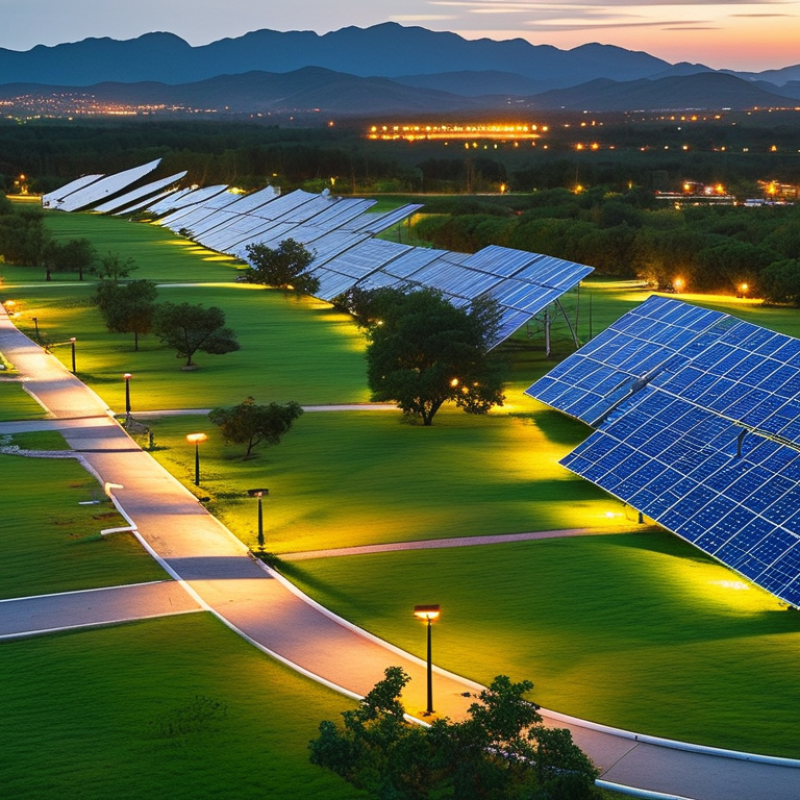
When considering solar lighting systems, it’s essential to understand their various applications. These systems harness sunlight to power LED lights, making them energy-efficient and eco-friendly. Solar lights are ideal for gardens, pathways, and parks, providing safety and visibility without increasing electricity costs. Their independence from traditional power sources makes them a versatile choice for remote areas.
Tips: Assess the location for sunlight exposure before installation. Areas with consistent sunlight will maximize efficiency. Additionally, consider seasonal changes. Some regions may have long winters, affecting sunlight amounts.
Solar lighting systems also offer significant advantages for urban environments. They reduce reliance on municipal power grids and are low-maintenance. Yet, choosing the right system can be challenging. Think about the light's brightness and battery capacity. These factors influence performance and satisfaction.
Tips: Read user reviews to gauge real-world performance. Sometimes, products may not meet expectations based on marketing claims. Balancing cost with long-term benefits requires careful thought. Trust your intuition and evaluate options critically.
Evaluating the Different Types of Solar Lighting Solutions Available
When evaluating solar lighting solutions, consider the various types available. Each type has distinct features suitable for different settings. For instance, solar garden lights are ideal for illuminating pathways. They offer both function and aesthetic appeal. Some models feature motion sensors for added security. However, their brightness varies significantly among brands.
Another option is solar flood lights, which are effective for larger areas. These lights can brighten driveways and yards, improving safety. The installation process can be straightforward, but positioning is key. They must receive adequate sunlight for optimal performance. On the flip side, these lights may require adjustment during seasonal changes.
Solar street lights serve urban landscapes well. They integrate smart technology for efficiency and safety. However, their upfront cost can be high, leading to hesitation. Users may also find that some models lack sufficient illumination for busy streets. It's vital to conduct thorough research and compare user experiences before making a decision.
How to Choose the Best Applications for Solar Lighting Systems?
| Type of Solar Lighting |
Best Application |
Lumens Output |
Battery Life |
Durability |
| Solar Pathway Lights |
Garden Walkways |
100-300 Lumens |
6-8 hours |
Water Resistant |
| Solar Flood Lights |
Outdoor Security |
500-1500 Lumens |
8-12 hours |
Heavy Duty |
| Solar Street Lights |
Public Roads |
800-2000 Lumens |
10-15 hours |
Wind Resistant |
| Solar Motion Sensor Lights |
Driveways & Entrances |
200-600 Lumens |
6-12 hours |
Impact Resistant |
| Solar Garden Lights |
Decorative Lighting |
50-150 Lumens |
8-10 hours |
Drought Resistant |
Factors to Consider When Selecting Solar Lighting Applications
Choosing the right solar lighting applications can significantly enhance outdoor environments. Start by assessing the specific area where you plan to install solar lights. Is it a garden, driveway, or pathway? Each location may require different levels of brightness. Make a note of the ambient light. Areas with high streetlights may not need as much illumination.
Consider the duration of light required. Some applications need continuous light, while others only require it at specific times. For instance, a pathway may only need lighting at night. Look into the solar panel's efficiency. The panel must absorb enough sunlight to power the light throughout the night.
Evaluate the design of the lights, as aesthetics play a role. You want fixtures that blend into your landscape. However, functionality is paramount. Remember, not all solar lights are created equal. Some may not withstand harsh weather conditions. Assess customer reviews to gauge reliability, but be cautious of overly positive feedback. Different environments can yield varying results, and what works in one setting may not in another.
Assessing the Environmental Impact of Solar Lighting Choices
Assessing the environmental impact of solar lighting choices is crucial. Solar lighting systems are designed to harness renewable energy, reducing reliance on fossil fuels. They can help decrease greenhouse gas emissions significantly. However, not all solar lighting options are created equal.
When selecting solar lights, consider the materials used. Some may contain harmful chemicals or non-recyclable components. Look for products made from sustainable materials. Another factor is their efficiency. Higher efficiency means more light from less energy, which benefits the environment. But, remember that higher efficiency can sometimes mean higher costs.
Additionally, think about the placement and usage of the solar lights. Poorly placed fixtures can lead to light pollution, affecting local wildlife. While solar lighting systems often promote sustainability, their overall impact can vary. You should weigh the benefits against potential drawbacks. This approach ensures better decision-making for both your needs and the planet’s health.
Budgeting and Cost-Effectiveness in Solar Lighting System Selection
Budgeting and cost-effectiveness play crucial roles in selecting solar lighting systems.
The average cost for solar lighting installations ranges from $1,000 to $3,000 per unit.
This figure can vary based on location, system size, and installation complexity.
Understanding the total cost can help homeowners make better financial decisions.
According to a recent industry report by the Solar Energy Industries Association, solar lighting can save users up to 60% on energy bills
compared to traditional lighting. However, initial costs may deter some buyers.
It's essential to weigh these savings against upfront investments.
For example, a system might cost $2,500, but over ten years, savings on electricity could reach $1,500 or more, making it more appealing.
When evaluating options, consider maintenance costs. Some solar systems may require frequent replacements.
These expenses can accumulate over time. This uncertainty emphasizes the need to review long-term performance and reliability.
Consumers should seek systems with solid warranties or backup plans.
Awareness of potential pitfalls can guide more informed choices.
FAQS
: Assess the installation area, brightness needs, and ambient light. Each location varies in lighting requirements.
Some areas, like pathways, may only need light at night. Consider continuous versus timed lighting needs.
The solar panel must absorb enough sunlight to ensure lighting throughout the night. Efficiency is crucial for performance.
Lights should blend into your landscape while maintaining functionality. Aesthetics shouldn't compromise performance or durability.
Not all solar lights withstand harsh weather. Customer reviews help, but beware of overly positive feedback and varying results.
Installations can range from $1,000 to $3,000. Factors include location, system size, and installation complexity.
Users can save up to 60% compared to traditional lighting. However, evaluate the initial costs against potential savings.
Maintenance costs can add up if replacements are frequent. Review long-term performance and seek systems with solid warranties.
Understanding total costs can guide financial decisions. Weigh initial costs against long-term savings before purchasing.
Look out for potential maintenance issues and unreliable products. Awareness of these can promote better choices.
Conclusion
Choosing the best applications for solar lighting systems involves a comprehensive understanding of how these systems function and their potential uses. Key factors to evaluate include the different types of solar lighting solutions available, such as pathway lights, floodlights, and garden fixtures, each suited for specific environments. When selecting the right application, considerations like efficiency, durability, installation ease, and maintenance play crucial roles.
Furthermore, it's essential to assess the environmental impact of solar lighting choices while ensuring that the solutions align with your budget and cost-effectiveness criteria. By carefully analyzing these aspects, individuals and organizations can determine what are the best applications for solar lighting systems, leading to effective and sustainable lighting solutions that benefit both users and the environment.

 SWF Lights