In today's world, where sustainability is key, understanding "How To Select Eco Friendly Lighting Solutions" is essential. Expert Jane Green, a renowned sustainable design consultant, states, “Choosing the right lighting isn’t just about brightness; it reflects our commitment to the planet.” With innovations in energy-efficient technology, consumers can make informed choices.
When selecting eco-friendly lighting, consider energy sources. LED and solar options stand out for their efficiency and longevity. They use less energy, which reduces greenhouse gas emissions. However, not all LED products are created equal. Some contain materials that are not easily recyclable, raising concerns.
Furthermore, evaluate the overall design and aesthetics. Lighting should complement your space while being sustainable. Sometimes, the most attractive option may not be the best for the environment. Reflecting on these choices will help you identify what aligns with your values. Embracing eco-friendly lighting is a journey, not a single decision.
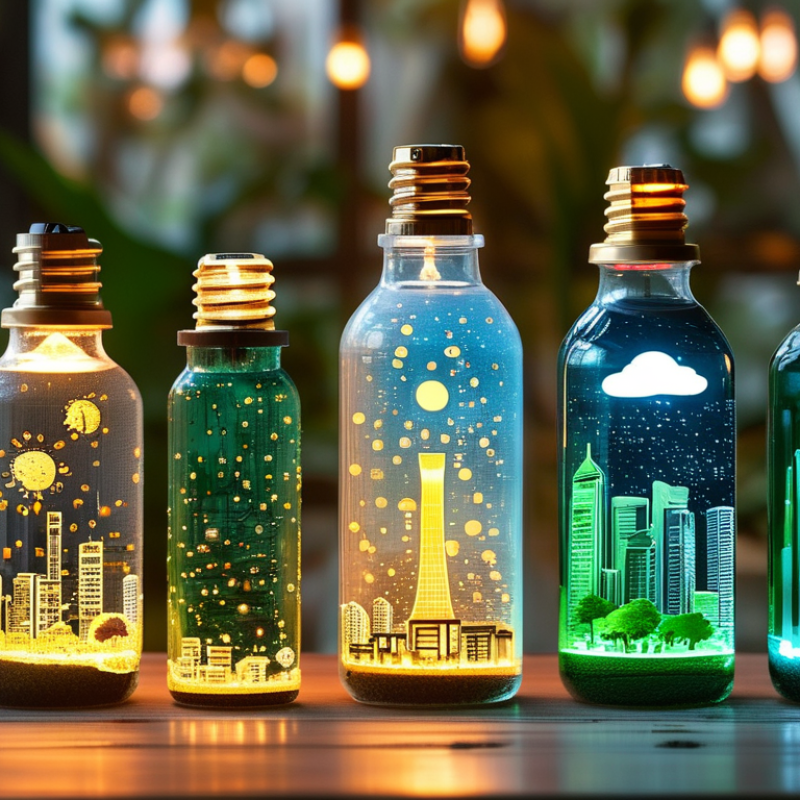
Eco-friendly lighting solutions are becoming essential in modern design. These options not only save energy but also reduce our carbon footprint. Understanding these choices is crucial for making informed decisions.
LED lights are a popular choice. They consume less energy and last longer than traditional bulbs. However, the initial cost can be higher. Users may hesitate to invest upfront but should consider long-term savings on energy bills. Compact fluorescent lamps (CFLs) are another option. They use about a quarter of the energy of standard bulbs, but disposal can be tricky due to their mercury content.
Reflecting on these choices is vital. Not all eco-friendly options suit every situation. Depending on your space and needs, the effectiveness and sustainability of various solutions may vary. Some rely on natural light sources or solar-powered lights, which can be unreliable in certain climates. It's essential to weigh the benefits against the potential downsides. Ultimately, eco-friendly lighting requires thoughtful consideration to meet individual needs sustainably.
| Lighting Type | Energy Efficiency (Watts) | Lifespan (Hours) | Material Sustainability | Recyclability |
|---|---|---|---|---|
| LED | 8-12 | 15,000 - 50,000 | High | Yes |
| CFL | 13-15 | 7,000 - 15,000 | Moderate | No |
| Incandescent | 40-100 | 1,000 - 2,000 | Low | No |
| Halogen | 30-60 | 2,000 - 4,000 | Low | No |
| Solar | Varies | Up to 25,000 | High | Yes |
When selecting eco-friendly lighting solutions, it’s vital to explore the various types available. LED lights are a popular choice, known for their energy efficiency and longevity. They consume up to 80% less energy than traditional bulbs. Moreover, they have a lifespan of around 25,000 hours, which reduces waste.
Another option is compact fluorescent lamps (CFLs). Though not as efficient as LEDs, CFLs still use less energy than incandescent bulbs. They emit less heat and last longer, typically up to 10,000 hours. Choosing the right type for your space can significantly impact energy consumption and the environment.
**Tip:** Check the lumens, not the watts. Lumens measure brightness, while watts measure energy consumption. Higher lumens mean brighter light.
Solar-powered lights are increasingly popular for outdoor use. They harness sunlight to illuminate gardens and pathways, reducing dependence on grid electricity. However, remember that they rely on sunlight. During winter months, performance may vary.
**Tip:** Consider your location’s climate before installation. If your area receives little sunlight, traditional options might be more effective.
Selecting the right eco-friendly lighting can transform your space and promote sustainability. Explore your options with attention to detail and the specific needs of your environment.
This chart compares the energy consumption of various eco-friendly lighting solutions. As shown, LED bulbs consume significantly less energy compared to incandescent bulbs, making them a highly efficient choice for sustainable lighting.
Assessing your lighting needs begins with understanding your space. Each room serves a different purpose and requires specific lighting. For example, a home office needs brighter, focused light to improve concentration. In contrast, a living room benefits from softer, ambient light that creates a relaxing atmosphere. According to the U.S. Department of Energy, lighting constitutes up to 20% of residential electricity use. This emphasizes the importance of strategic lighting choices.
Consider how the layout and size of your space impact lighting. Larger areas may require multiple light sources to avoid dark corners. Additionally, the color of your walls can significantly influence lighting effectiveness. Light colors reflect more light, making a room feel brighter. It's essential to balance aesthetics with functionality.
Exploring eco-friendly options can enhance your space while reducing energy consumption. LED fixtures are a popular choice, lasting up to 25 times longer than traditional bulbs. However, it's crucial to evaluate their suitability for your specific needs. Not all LEDs function the same across different fixtures. In some cases, these alternatives do not yield the expected quality of light, leading to frustration. Therefore, conducting a thorough assessment of your space and usage patterns is key in selecting the right eco-friendly lighting solution.
When choosing eco-friendly lighting solutions, understanding energy efficiency ratings is crucial. Look for certifications like ENERGY STAR or similar seals. These labels indicate that a product meets strict energy-saving standards. They also highlight lower environmental impact.
Energy efficiency ratings are not just numbers. They reflect a product’s performance and sustainability. Check the lumens per watt ratio. This shows how much light you get for each watt of energy consumed. A higher ratio means better efficiency.
While many products claim to be energy-efficient, not all deliver on their promises. Reading reviews and seeking third-party testing results can provide deeper insights. Assessing the long-term cost savings is also vital. Sometimes, a cheaper product may cost more in energy bills over time. Make informed decisions based on reliable data to ensure you choose the best solution for your needs.
When considering eco-friendly lighting, it's essential to evaluate both initial costs and long-term savings. Many energy-efficient bulbs have a higher upfront cost. However, they reduce electricity bills and last much longer than traditional options. For example, LED lights can use up to 80% less energy. This means significant savings over their lifetime.
It's also important to reflect on your habits. Changing how often you use lighting can enhance savings. Smart lighting systems, although initially costly, can adjust automatically based on occupancy. This means energy isn't wasted, directly impacting savings.
Consider the environmental impact as well. Choosing sustainable lighting reduces carbon footprints. But remember, the best choice isn’t always the most expensive. Look for local recycling programs for old bulbs. Small changes can lead to substantial benefits. This mindful approach allows you to balance cost with responsibility.
: LED lights are energy-efficient and last up to 25,000 hours. They consume significantly less energy than traditional bulbs.
CFLs use less energy than incandescent bulbs but are not as efficient as LEDs. They last up to 10,000 hours.
Look at the lumens, not the watts. Lumens indicate brightness, while watts indicate energy usage.
Solar lights work in sunny areas but may perform poorly in winter months or low sunlight locations.
They indicate how well a product saves energy and its environmental impact. Higher ratings often mean better performance.
Assess your location’s climate and sunlight availability. Low sunlight areas may benefit more from traditional lighting options.
Reviews and third-party tests reveal a product's true performance. Not all marketed energy-efficient products deliver as promised.
Consider the initial price versus future energy bills. A cheaper product may lead to higher costs over time.
Look for certifications like ENERGY STAR. These labels indicate compliance with strict energy-saving standards.
Yes, selecting the appropriate lighting can significantly reduce energy consumption and promote a more sustainable environment.
When considering how to select eco-friendly lighting solutions for your needs, it's essential to start with a foundational understanding of what eco-friendly lighting entails. This includes exploring various types of sustainable options available, such as LED and solar-powered lights, which can significantly reduce energy consumption while providing ample illumination.
Next, assessing your specific lighting needs and the layout of your space is crucial to maximizing both functionality and efficiency. It's important to evaluate energy efficiency ratings and certifications to ensure that your choices meet environmental standards. Finally, considering the initial costs versus long-term savings can guide your decision-making process, allowing you to invest wisely in eco-friendly options that benefit both your wallet and the planet.

SWF Lights