How to Choose Split Type Solar Street Lights at Canton Fair?

Time:2026-03-25 Author:Ethan
0%

Choosing the right Split Type Solar Street Lights can significantly impact urban lighting solutions. Industry expert Dr. Emily Chen once said, “The future of street lighting lies in flexibility and efficiency.” This highlights the need for thoughtful selection processes, especially at events like the Canton Fair.

At the Canton Fair, purchasing decisions must be informed. The extensive array of solar street lights available can be overwhelming. Buyers should focus on features such as energy efficiency, durability, and certification standards. These elements ensure that the lights not only meet local regulations but also perform well in various conditions.

Navigating the fair can be challenging. With 155,000 square meters of exhibits, finding the right suppliers is crucial. Utilizing AI tools introduced at this event aids in searching for vendors with essential qualifications. However, it's important to verify their claims, as not all companies prioritize quality. The right choices in Split Type Solar Street Lights can lead to long-term benefits, making careful evaluation a necessity.
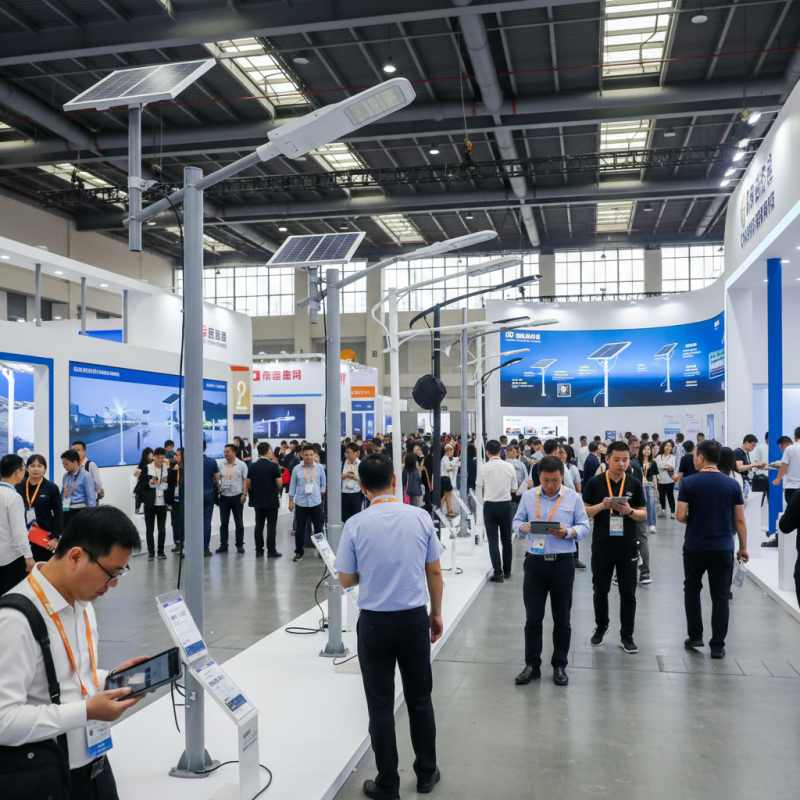
How to Choose Split Type Solar Street Lights at Canton Fair?

Understanding the Basics of Split Type Solar Street Lights

Split type solar street lights are gaining popularity worldwide. They combine solar panels and LED lamps for effective outdoor lighting. Understanding their basics is crucial for making an informed choice, especially at events like the Canton Fair.

Generally, split type solar street lights consist of a solar panel, battery, and LED fixture. This configuration allows for efficient energy capture and storage. According to industry reports, these lights can save up to 80% on electricity costs compared to traditional lighting. When selecting these lights, consider their power output and battery capacity. A quality battery should last at least five years.

Tips: Look for models with adjustable brightness. This feature helps to conserve energy during off-peak hours. Additionally, check the solar panel efficiency; higher efficiency ensures better performance during cloudy days.

While many products claim to be superior, not all meet expectations. Some may underperform in harsh weather. It’s essential to review user feedback and conduct thorough research. Assess the materials used in their construction, as durability matters. Poor-quality components can lead to short lifespan and frequent replacements.

Key Features to Consider When Selecting Solar Street Lights

When selecting split type solar street lights, several key features stand out. The brightness level is crucial. Choose lights with adjustable lumens. This helps customize illumination based on the area. Look for lights with a high luminous efficacy. Higher efficiency means less energy consumption. This results in longer battery life.

Battery capacity matters greatly. A larger capacity may ensure that the lights run longer at night. Ensure that the lights have a reliable solar panel. The ability to capture sunlight directly affects performance. Check the warranty policy as well. A good warranty can save costs in case of early failures.

Tips: Consider installation ease. Complicated setups may lead to missed opportunities. Pay attention to material quality. Durable materials ensure longevity and resilience against weather. Finally, think beyond aesthetics. The right choice should enhance both safety and visibility in public spaces. Reflect on your needs and investigate various models for the best fit.

Evaluating Solar Panel Efficiency and Battery Capacity

When choosing split type solar street lights, evaluating solar panel efficiency and battery capacity is crucial. Higher efficiency panels convert more sunlight into energy. Reports show that panels with 20% efficiency can generate significant power. In contrast, lower efficiency panels struggle to meet energy demands, especially in cloudy weather.

Battery capacity is equally important. A typical solar street light requires batteries that can store enough energy for nighttime use. Aim for at least 12V, 100Ah batteries for reliable performance. Insufficient capacity leads to dim lights or complete outages. You need to consider environmental conditions that might affect performance.

Tips: Look for panels certified by reputable testing organizations. Always verify battery specifications to ensure they meet your project's requirements. Remember, a good balance between panel efficiency and battery capacity reduces long-term costs. Reflections on your choices can lead to better installations.

How to Choose Split Type Solar Street Lights at Canton Fair? - Evaluating Solar Panel Efficiency and Battery Capacity

Feature Option A Option B Option C
Solar Panel Efficiency 18% 22% 25%
Battery Capacity 100Ah 150Ah 200Ah
Average Runtime 6 hours 8 hours 10 hours
Charging Time 6 hours 5 hours 4 hours
Operating Temperature Range -20°C to 60°C -20°C to 70°C -30°C to 60°C

Assessing Durability and Weather Resistance for Outdoor Use

When choosing split-type solar street lights, durability and weather resistance are crucial factors. Outdoor conditions can be unpredictable. These lights must withstand rain, snow, and extreme temperatures. Strong materials, like aluminum or durable plastics, are essential. Look for products with corrosion-resistant finishes. A sturdy design prevents damage from strong winds.

Evaluate the ingress protection (IP) rating too. Ideally, a rating of IP65 or higher is beneficial. This ensures the lights can resist dust and water effectively. Consider temperature fluctuations. Some lights may perform poorly in extreme cold or heat. Ask questions. How do they handle harsh weather? Testimonials or reviews can provide valuable insight.

Not all models perform equally. Some may pass tests but fail in real-world conditions. After installation, check their performance periodically. Are they functioning well during storms? Reflect on your choices and adapt as needed. Such thoughtful consideration enhances long-term satisfaction and success.

Comparing Different Brands and Models at the Canton Fair

When attending the Canton Fair, comparing different brands and models of split-type solar street lights is crucial. The market offers various options, each claiming superior performance. A recent industry report highlights that solar street lights can provide energy savings of up to 75% compared to traditional fixtures. However, the quality often varies.

Many manufacturers focus on solar panel efficiency. It's essential to look for models with higher conversion rates. Typically, a panel efficiency of 20% is considered good. Yet, some cheaper models fall below 15%, which impacts their performance significantly. Moreover, pay attention to battery life and capacity. A reliable street light should ideally have a lithium battery that supports full charge in less than eight hours.

Design and build quality also deserve scrutiny. Lightweight materials might seem cost-effective, but they can compromise durability. Weather resistance is vital for longevity. Many buyers overlook these details, leading to regrets later. Energy output, lumens per watt, and warranty terms should also influence your choice. These factors interplay to ensure the lights function optimally in various conditions and over time.

FAQS

: Why is solar panel efficiency important?

: Higher efficiency panels convert more sunlight into energy, which increases overall power generation.

What battery capacity is recommended for solar street lights?

Aim for at least 12V, 100Ah batteries for reliable nighttime performance.

How do environmental conditions affect solar lights?

Poor weather, like cloudiness or extreme temperatures, can reduce performance and energy production.

What materials should solar street lights be made of?

Look for strong materials, like aluminum or durable plastics, to withstand harsh weather conditions.

What is the ideal IP rating for outdoor solar lights?

An ingress protection rating of IP65 or higher ensures resistance to dust and water.

How can I assess a solar light's real-world performance?

Check reviews and testimonials, and evaluate their functionality after installation, especially during storms.

What factors should I consider when comparing different models?

Focus on panel efficiency, battery capacity, design quality, and warranty terms for better decision-making.

Why is it important to verify battery specifications?

Ensuring that batteries meet project requirements helps prevent issues like dim lights or outages.

How does cost relate to solar street light choices?

Balancing panel efficiency and battery capacity can reduce long-term costs and enhance satisfaction.

What mistakes do buyers often make?

Many overlook details like weather resistance and energy output, leading to regrets post-purchase.

Conclusion

When choosing Split Type Solar Street Lights at the Canton Fair, it is essential to understand their fundamental characteristics and advantages. These street lights are designed for efficiency, featuring separate solar panels and lighting units that can be positioned independently. Key features to consider include the brightness of the LED lights, ease of installation, and smart control options.

Another critical factor is evaluating the solar panel efficiency and battery capacity to ensure optimal performance, particularly in varying weather conditions. Durability and weather resistance are also paramount for outdoor applications, as the lights need to withstand harsh environmental conditions. Lastly, comparing different brands and models available at the fair can help in identifying the best fit for specific needs and budgets, ensuring a reliable and efficient lighting solution.

Ethan

Ethan

Ethan is a seasoned marketing professional with a deep expertise in our company's innovative product line. With a passion for sharing knowledge and insights, he takes the lead in regularly updating our corporate blog, where he explores industry trends, product features, and effective marketing......