Outdoor lighting plays a crucial role in safety and aesthetics. According to the International Dark-Sky Association, outdoor lighting accounts for about 30% of total electricity consumption. To address this issue, experts emphasize effective strategies. "How To Improve Brightness And Coverage In Outdoor Lighting" is essential for both residential and commercial spaces.
John Smith, a lighting industry expert, notes, "Proper brightness and expansive coverage can enhance visibility and security." His insights highlight the importance of choosing the right fixtures and placement. Studies show that well-lit environments lead to a 20% reduction in crime rates, proving the need for effective lighting solutions.
However, there are challenges. Many installations suffer from poor design, leading to uneven brightness and dark spots. Utilizing advanced technologies like LED fixtures can significantly improve performance, but not every approach is right for every setting. Balancing brightness and coverage often requires iterative adjustments. These considerations create opportunities for improvement in outdoor lighting practices.
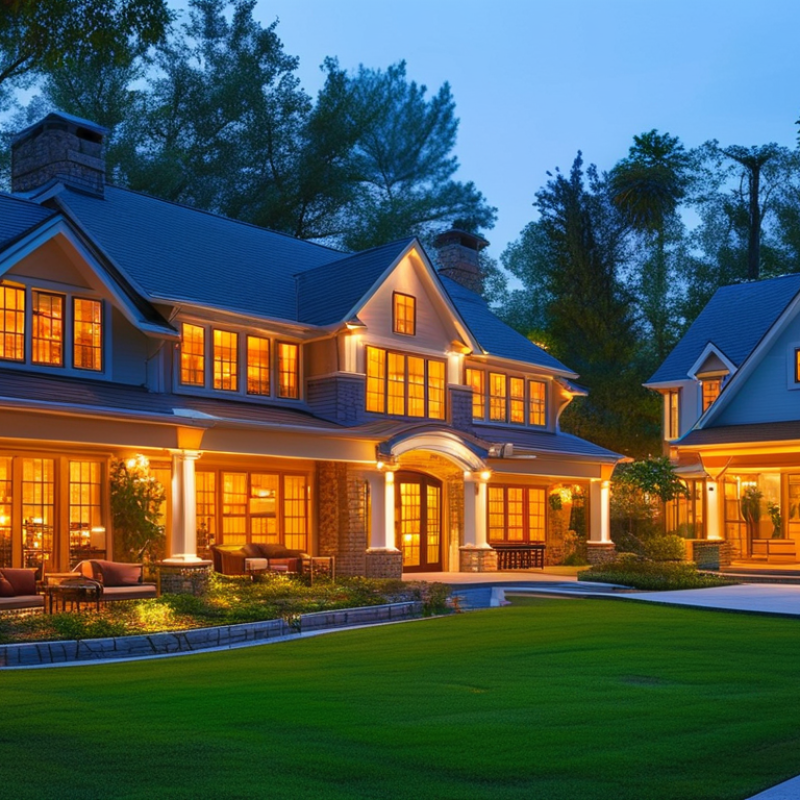
Outdoor lighting plays a crucial role in enhancing safety and comfort. According to a report by the Illuminating Engineering Society, proper lighting can reduce accidents by up to 30%. Visibility is vital for pedestrians and drivers alike, and effective lighting coverage can significantly improve this. It also extends outdoor usability during evening hours.
When considering brightness and coverage, it's essential to analyze specific needs. Not every space requires the same level of illumination. For instance, pathways and parking lots may need brighter lights compared to garden areas. A 2020 survey noted that 67% of users prefer brighter, well-distributed lighting for enhanced security. This highlights the need for tailored solutions to maximize effectiveness.
Tips: Evaluate the specific areas that require lighting. Ensure lights are properly positioned to avoid dark spots. Consider using LED fixtures for better brightness and energy efficiency. Regularly check and maintain the system; outdated or dim lights can compromise safety. Balancing intensity and coverage is key. Too bright can be blinding, while too dim can be ineffective. Finding that sweet spot takes time and adjustment.
| Criteria | Description | Measurement Unit | Standard Level |
|---|---|---|---|
| Lumen Output | The total amount of visible light emitted by a source | Lm | 3000 - 10000 |
| Wattage | Power consumption of the lighting fixture | W | 20 - 100 |
| Illuminance | Measure of how much luminous flux is spread over a given area | Lux | 10 - 50 |
| Beam Angle | The angle at which the light is distributed | Degrees | 30 - 120 |
| Color Temperature | The warmth or coolness of the light | Kelvin | 3000K - 6000K |
When considering outdoor lighting solutions, various types come into play. LED lights are popular due to their energy efficiency and longevity. They provide bright illumination while consuming less power. This makes them suitable for both residential and commercial spaces. However, their initial cost might deter some users. It’s essential to evaluate budget versus long-term savings.
Solar lights offer a different approach. They are environmentally friendly and do not require wiring. They harness sunlight during the day to illuminate outdoor areas at night. However, their brightness can vary based on weather conditions. Users might find their performance inconsistent, especially in cloudy regions.
Traditional incandescent bulbs still exist in outdoor settings. They create a warm glow, but they are less efficient than newer technologies. The light output decreases over time, leading to frequent replacements. Moreover, their energy consumption is significantly higher. Assessing the pros and cons of each option is crucial for effective outdoor lighting.
Enhancing outdoor lighting brightness is crucial for safety and aesthetics. Effective techniques can significantly improve both brightness and coverage in outdoor spaces. According to industry reports, well-lit areas reduce crime by 20% to 30%. This statistic alone highlights the importance of adequate lighting in public spaces.
One technique is to optimize the type of lighting fixtures used. LED technology, for instance, is highly efficient. It consumes less energy while providing brighter illumination than traditional lighting. The IES (Illuminating Engineering Society) indicates that using LED fixtures can boost luminance by 130% in some cases. Moreover, proper placement of these fixtures can enhance light distribution. Strategically positioning lights can reduce dark spots, creating safer environments.
Reflective surfaces can also amplify brightness. Using light-colored pavements or walls can help bounce light, making areas appear brighter. Unfortunately, many outdoor spaces fail to consider this aspect, leading to inadequate lighting. Research shows that a poorly lit environment can create a false sense of security. Furthermore, it's essential to maintain outdoor lighting systems regularly. Burnt-out bulbs or obstructed fixtures can drastically decrease effectiveness. Addressing these issues ensures continuous optimal performance.
Effective outdoor lighting design is crucial for visibility, safety, and aesthetics. According to the Illuminating Engineering Society, the right lighting can improve safety by up to 50%. To enhance brightness and coverage, focusing on optimal area distribution is essential. A common mistake is to install lights too close together, leading to wasted energy without sufficient coverage. Instead, consider spacing fixtures according to the light’s beam spread.
For increased coverage, utilize a hybrid approach. Combine fixture types, using floodlights and wall-mounted lights. A study from the U.S. Department of Energy suggests that LED lighting can reduce energy usage by 75% while enhancing brightness. Ensure proper angles and heights are set for fixtures to minimize shadows. Shadows can create unsafe areas and reduce the effective coverage of lighting.
Tips: Regularly assess light placement. Adjusting angles can create better coverage. Use sensors to enhance efficiency; they can turn on lights only when needed. Keeping fixtures well-maintained and clean maximizes their effectiveness, as dirt can reduce brightness substantially. Evaluate your lighting design periodically, reflecting on areas that might produce dark spots or inconsistent lighting. This ongoing adjustment is vital for a truly effective outdoor lighting strategy.
Outdoor lighting plays a crucial role in safety and aesthetic appeal. To maintain optimal lighting performance, regular maintenance is essential. Research indicates that over 30% of outdoor lighting installations fail to meet efficiency standards due to neglect. Simple actions can significantly enhance both brightness and longevity.
Cleaning fixtures enhances light output. Accumulated dirt and grime can reduce brightness by up to 50%. Use a damp cloth to wipe down surfaces regularly. Additionally, check for bulb damage. Replacing burnt-out bulbs quickly can prevent darkness in critical areas. Experts recommend a bi-annual inspection of all outdoor lights.
Moreover, adjusting timers and sensors improves energy efficiency. Studies show that poorly calibrated timers waste nearly 20% of electricity. Ensure that lights operate only when needed. Reflect on the setup regularly. Are there areas that require more light? Identifying these can inform placement adjustments. Taking these steps can elevate the effectiveness of your outdoor lighting system.
: Outdoor lighting enhances safety and comfort, reducing accidents by up to 30%. Visibility is crucial for pedestrians and drivers.
Analyze specific needs. Pathways may need brighter lights than garden areas. Tailor solutions to maximize effectiveness.
Installing lights too close wastes energy. Proper spacing based on beam spread is essential for effective coverage.
Use a hybrid approach combining different fixture types. Adjust fixture angles and heights to minimize shadows.
LED lighting can reduce energy usage by 75% while enhancing brightness. They are more efficient than traditional lighting options.
Regular assessments are important. Evaluate lighting placements to avoid dark spots or inconsistent lighting. Ongoing adjustments are vital.
Yes, dirty fixtures can significantly reduce brightness. Regular cleaning and maintenance are crucial for optimal performance.
Outdoor lighting plays a crucial role in enhancing safety and aesthetics in outdoor spaces. To effectively address the question of "How To Improve Brightness And Coverage In Outdoor Lighting," one must first understand the significance of brightness and coverage. Various types of outdoor lighting solutions, including LED fixtures and solar lights, can be evaluated to determine their suitability for different environments.
Techniques for enhancing brightness include using higher lumen outputs and strategic placement of lights, while coverage can be improved through careful design principles, such as ensuring even spacing and selecting fixtures that distribute light effectively. Additionally, regular maintenance is essential for sustaining the efficiency and performance of these lighting systems, ensuring that outdoor areas remain well-lit and inviting.

SWF Lights