How to Enhance Outdoor Spaces with Effective Lighting Design?

Time:2026-07-04 Author:Amelia
0%

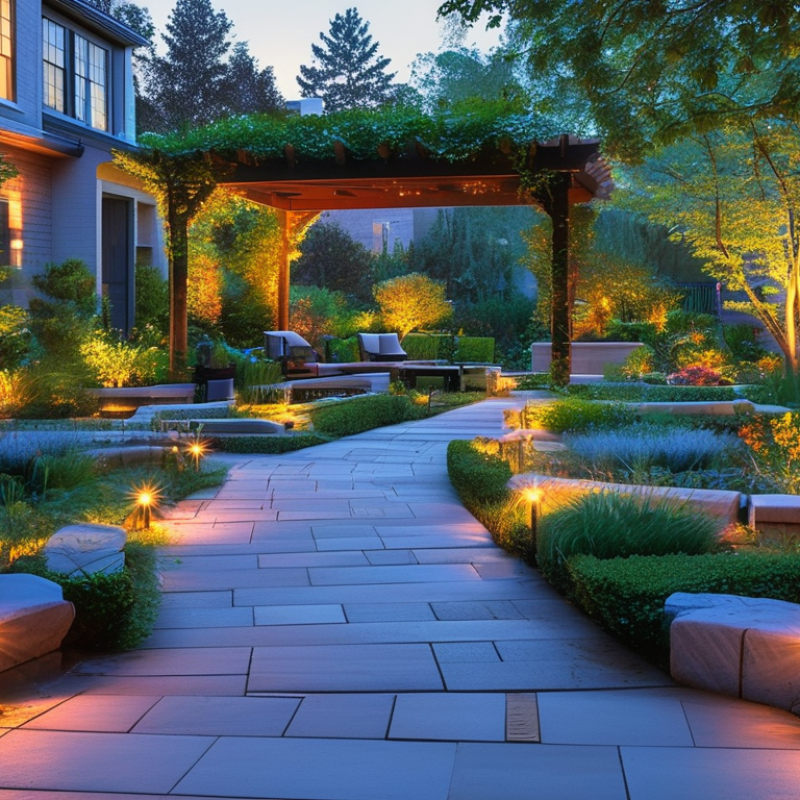
Light plays a vital role in enhancing outdoor spaces. The right lighting can transform a simple garden into a stunning oasis. Experts in the field, like Emily Rogers, emphasize the importance of thoughtful design. She once stated, “Effective lighting is not just about visibility; it’s about creating an atmosphere.” This notion resonates strongly when exploring how to improve outdoor aesthetics with lighting design.

To achieve an inviting outdoor space, consider the various types of lighting available. Pathway lights provide safety, while ambient lighting sets the mood. Moreover, accent lights can highlight architectural features or beautiful plants. Layering these elements crafts a harmonious effect, but it requires careful planning and consideration.

However, there are challenges in implementing effective lighting. Overly bright lights can cause glare, while inadequate lighting may compromise safety. Balancing visibility and ambiance is crucial. Experimenting with different styles and placements often leads to imperfections that might require reevaluation. Ultimately, understanding how to improve outdoor aesthetics with lighting design is a nuanced process, but the results can be remarkably rewarding.
How to Enhance Outdoor Spaces with Effective Lighting Design?

Understanding the Importance of Lighting in Outdoor Spaces

Lighting plays a critical role in outdoor spaces. Proper illumination enhances both aesthetics and safety. According to a report by the International Dark-Sky Association, over 30% of outdoor lighting is poorly designed, causing light pollution and safety issues. This highlights the need for effective lighting strategies.

Effective lighting design can boost property value. A study by the National Association of Home Builders revealed that well-lit landscapes can increase home values by up to 20%. Homeowners should consider layering lights. Combining ambient, task, and accent lighting creates a versatile environment. Path lights ensure safety while decorative fixtures enhance beauty.

However, many fail to consider the balance of brightness. Overly bright lights can cause discomfort and glare. Long-term exposure to inadequate lighting can affect well-being. Thoughtful design must address these factors to create welcoming outdoor spaces. By understanding these aspects, property owners can make informed decisions.

Key Principles of Effective Outdoor Lighting Design

Effective outdoor lighting design can dramatically transform a space. It offers both safety and aesthetic appeal. To achieve this, consider layering light sources. Use ambient lighting for overall illumination. Accent lights can highlight trees or architectural features. Task lighting is crucial for pathways or seating areas.

Pay attention to the color temperature of the lights. Warmer tones create a cozy atmosphere, while cooler tones can feel harsh. Choosing the right fixtures is essential. They need to blend seamlessly with your surroundings. An overabundance of light can lead to glare. Strive for balance, ensuring areas are lit without overwhelming bright spots.

Reflect on the purpose of your outdoor space. Will it be for entertaining, relaxing, or both? Your lighting choices should align with these goals. Experimentation is key. You might find certain configurations don’t work as expected. Adjustments will improve functionality and ambiance. Remember, effective lighting should enhance, not dominate the beauty of outdoor spaces.

Types of Outdoor Lighting Fixtures and Their Uses

Outdoor lighting is essential for enhancing spaces. Various types of fixtures serve different functions. Path lights provide safety, illuminating walkways. Deck lights can elevate outdoor seating areas, creating ambiance. Spotlights highlight features like trees or sculptures, drawing attention to the yard’s design. According to a report by the National Association of Home Builders, proper outdoor lighting increases the value of homes by about 15%.

When selecting fixtures, consider LED options. They consume less energy and last longer than traditional bulbs. A study by the Department of Energy states that LED lights use at least 75% less energy. This choice is both economical and environmentally friendly. However, homeowners should ensure the fixtures blend with the outdoor style.

Tip: Use dimmers for versatility. Adjusting brightness can change an atmosphere instantly. Another tip: Don't overlook the angle of light. Improper placement can create unwanted shadows. Reflecting on the layout can ensure an inviting and functional outdoor space.

Techniques for Creating Ambiance and Functionality with Light

Lighting design plays a critical role in enhancing outdoor spaces. To create the right ambiance, consider using layered lighting techniques. Ambient, task, and accent lighting can transform your garden or patio into an inviting area. Ambient lighting sets the mood, while task lighting illuminates functional spaces, such as dining areas or walkways.

Tips: Use soft, warm lights for relaxation. This type of lighting fosters a cozy atmosphere. Additionally, consider the placement of fixtures. Lights should be positioned to avoid harsh shadows. Experiment with different heights for visual interest.

Focusing on details is essential. String lights can create a whimsical touch overhead. Incorporating solar lights along pathways adds safety and charm. Don't forget about dimmers; they allow flexibility. You can adjust the brightness based on the occasion. However, be mindful of light pollution. Too much brightness can disturb the natural balance.

Incorporating natural elements enhances the design. Use lanterns or fixtures made from materials like wood or metal. These elements blend well with outdoor settings. Reflect on your choices; sometimes simplified designs may have a greater impact. The right lighting reveals the beauty of your outdoor spaces while serving practical needs.

How to Enhance Outdoor Spaces with Effective Lighting Design?

Technique Description Benefits Best Use Cases
String Lights Decorative lighting suspended between posts or along structures. Creates a soft, inviting atmosphere. Patios, gardens, and outdoor dining areas.
Landscaping Lights Lights that illuminate trees, shrubs, and garden features. Highlights landscaping and adds depth to the space. Gardens, pathways, and parks.
Spotlights Focused lighting to highlight specific areas or objects. Draws attention to architectural features or art. Entryways, patios, and fountains.
Pathway Lights Low-level lights that illuminate walkways and driveways. Enhances safety and navigation at night. Sidewalks, driveways, and garden paths.
Task Lighting Focused light for functional areas like cooking or dining. Enhances usability and functionality for outdoor tasks. Outdoor kitchens, dining tables, and workspaces.

Common Mistakes to Avoid in Outdoor Lighting Design

When designing outdoor lighting, some common mistakes can undermine the overall look and functionality. One error is over-illumination. Too many lights can create glare and wash out spaces. Instead, find a balance between brightness and ambiance. Aim for warm, inviting light that highlights key features without overwhelming the senses.

Another frequent oversight is poor placement of fixtures. Lighting should accentuate pathways and architectural details. Avoid placing lights too high or too low. Instead, align them strategically to enhance visibility and safety. This can make a significant difference in creating a cohesive outdoor space.

Finally, neglecting the surrounding environment can weaken the overall design. Take time to evaluate natural elements such as trees and plants. The light should complement these features rather than compete with them. Observing your space at different times of the day will help you make thoughtful adjustments. Each of these points highlights the need for reflection in outdoor lighting choices.

FAQS

: Why is outdoor lighting important?

: Outdoor lighting enhances safety and aesthetics. It can prevent accidents and beautify landscapes.

How can lighting design boost property value?

Proper illumination can increase home values by up to 20%. Well-lit spaces are more appealing to potential buyers.

What types of lighting should I use outdoors?

Layered lighting is effective. Use ambient, task, and accent lights to create a versatile environment.

What is the risk of overly bright lighting?

Overly bright lights can cause discomfort and glare. This can make outdoor spaces less inviting and enjoyable.

How does color temperature affect outdoor lighting?

Warmer tones create a cozy atmosphere, while cooler tones can feel harsh and unwelcoming.

What should I consider when designing outdoor lighting?

Think about the space's purpose. Is it for relaxing or entertaining? Your lighting choices should match these needs.

How do I ensure a balanced lighting effect?

Strive for even lighting without overwhelming bright spots. This prevents glare and creates a welcoming environment.

Are there common mistakes in outdoor lighting design?

Yes, many overlook the importance of layering and color temperature. Experiment with configurations to improve ambiance.

How long should I expect my outdoor lighting to last?

The lifespan varies by fixture type and usage. Regular maintenance can extend the life of your lighting.

Can inadequate lighting impact well-being?

Yes, long-term exposure to poor lighting can affect mood and comfort. Thoughtful design is essential for well-being.

Conclusion

Effective lighting design is essential for enhancing outdoor spaces, significantly contributing to their aesthetic and functional appeal. Understanding the importance of lighting allows homeowners and designers to create inviting environments that can be enjoyed during the evening hours. Key principles of effective outdoor lighting design include focusing on safety, highlighting focal points, and ensuring energy efficiency. Various types of outdoor lighting fixtures, such as sconces, path lights, and spotlights, serve distinct purposes—ranging from illuminating pathways to accentuating landscaping features.

Additionally, techniques for creating ambiance and functionality with light involve layering different lighting sources, utilizing warm color temperatures, and incorporating dimmers. However, to achieve the desired results, it is crucial to avoid common mistakes, such as over-lighting or neglecting maintenance. By following these guidelines, individuals can discover *how to improve outdoor aesthetics with lighting design*, transforming their outdoor areas into captivating spaces that blend beauty with practicality.

Amelia

Amelia

Amelia is a seasoned marketing professional with a wealth of expertise in our company’s core offerings. With an unwavering passion for driving growth and innovation, she plays a pivotal role in shaping our marketing strategies and enhancing brand visibility. A key aspect of her responsibilities......