The longevity of solar lighting systems is crucial for both sustainability and cost-effectiveness. According to a recent report by the Global Solar Lighting Association, proper maintenance can extend the lifespan of these systems by up to 30%. As more homeowners and businesses turn to solar solutions, understanding "How To Extend The Lifespan Of Solar Lighting Systems" becomes increasingly vital.
John Doe, a renowned expert in renewable energy systems, emphasizes, "Investing in regular maintenance and high-quality components can significantly enhance solar lighting durability." This statement reflects a growing concern in the industry where often, users overlook routine checks and replacements. For instance, the failure to clean solar panels and replace batteries on time can drastically reduce the performance of the lighting systems.
Incorporating proactive measures is essential. Yet, many users still underestimate the impact of harsh weather on their systems. Awareness of these challenges can lead to better management strategies. Addressing these issues not only safeguards investment but also helps in achieving long-term sustainability goals.
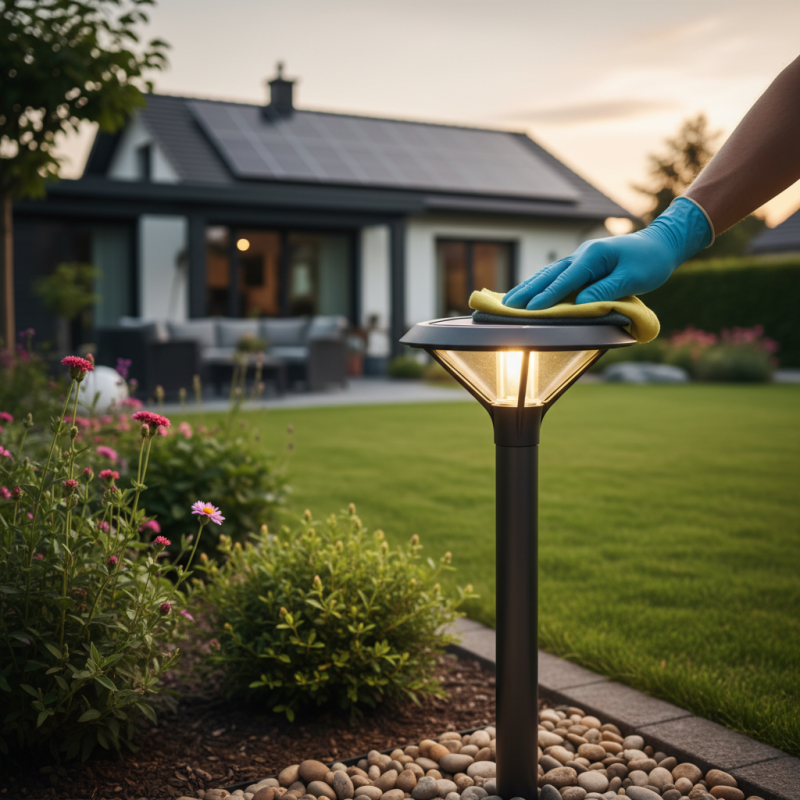
Solar lighting systems offer an eco-friendly and cost-effective solution for outdoor illumination. However, their longevity depends on several key factors. One major aspect is the quality of the materials used. High-grade solar panels and durable fixtures can significantly enhance durability. Cheaper models might save money initially, but they often deteriorate faster.
Weather conditions also play a critical role. In areas with extreme temperatures, solar lights can wear out quickly. Excessive heat may damage internal components, while prolonged exposure to rain can lead to corrosion. Regular maintenance helps mitigate these issues. Cleaning the panels ensures maximum sunlight absorption. Yet, some users may overlook this step, leading to diminished performance.
Finally, battery care is essential. Quality batteries can last for years with proper management. However, neglecting battery replacement when necessary could result in system failure. Educating users about these factors can lead to more reliable and longer-lasting solar lighting solutions. Understanding these details is vital for making informed decisions.
| Factors | Description | Impact on Lifespan | Recommended Action |
|---|---|---|---|
| Battery Quality | The type and quality of batteries used affect the overall performance and lifespan. | High-quality batteries extend usage time and durability. | Invest in premium lithium or lead-acid batteries. |
| Solar Panel Type | Different solar panel technologies (monocrystalline, polycrystalline, thin-film) offer varying efficiencies. | More efficient panels capture sunlight better, leading to longer lifespans. | Choose high-efficiency solar panels for better performance. |
| Environmental Conditions | Extreme weather conditions can damage the components of solar lighting systems. | Harsh elements can shorten shelf life and efficiency. | Select weather-resistant materials and install in sheltered locations. |
| Maintenance | Regular cleaning and maintenance are crucial for optimal performance. | Neglecting maintenance can lead to reduced functionality. | Establish a regular maintenance schedule for cleaning and inspections. |
| Lighting Duration | The amount of time the lights are on can impact battery health and panel effectiveness. | Longer usage times can lead to quicker wear and battery depletion. | Use timers to limit unnecessary lighting hours. |
: Key factors include material quality, weather conditions, and battery care.
High-quality materials lead to better durability. Cheaper options can cause quicker deterioration.
Extreme temperatures can damage components. Rain can lead to corrosion over time.
Regular cleaning of solar panels is crucial. Neglecting this can reduce sunlight absorption and performance.
Good quality batteries enhance lifespan. Neglecting to replace them can lead to failures.
Monocrystalline silicon panels are better than polycrystalline ones. They degrade less over time.
Weather-resistant fixtures prevent damage in harsh environments. Choose materials like corrosion-resistant aluminum.
Poor installation can cause premature failures. Proper installation is key to extending system longevity.
Quality panels can boost energy efficiency by 30%. This is crucial for performance.
Understanding component choices and maintenance needs leads to better decisions. Awareness is vital.
To effectively address the question of "How To Extend The Lifespan Of Solar Lighting Systems," it is essential to understand various factors that influence their longevity. These include environmental conditions, quality of components, and installation practices. Optimal installation techniques can mitigate issues caused by weather and physical wear, while selecting high-quality materials, such as durable solar panels and batteries, ensures better performance and resilience over time.
Additionally, routine maintenance plays a crucial role in preserving solar lighting systems. Regular cleaning of solar panels and checking electrical connections can maximize efficiency. Implementing optimal usage strategies, like positioning lights away from obstructions and in areas with ample sunlight, will also greatly enhance their operational lifespan. By focusing on these best practices, users can effectively extend the life of their solar lighting systems, ensuring reliable and sustainable use for years to come.

 SWF Lights