How to Improve Energy Efficiency With Solar Lighting

Time:2026-11-05 Author:Isabella
0%

How To Improve Energy Efficiency With Solar Lighting starts with a simple distinction. Solar power is renewable, but a fixture is not automatically efficient. Performance depends on the LED, battery, panel, controls, and where the light falls. A bright lamp aimed at a wall can waste stored energy all night.

The U.S. Department of Energy’s Energy Saver guidance reports that LEDs use at least 75% less energy than incandescent bulbs and can last up to 25 times longer. That matters. Efficient LEDs let a solar system provide useful illumination with less stored power. The International Energy Agency’s Energy Efficiency 2023 report found that global energy-intensity improvement reached about 1.3% in 2023, far below the pace needed to meet its efficiency goals. Every well-designed lighting choice helps close that gap.

IEA Executive Director Fatih Birol has called energy efficiency “the first fuel.” For solar lighting, that means choosing fixtures with appropriately sized panels and batteries, checking runtime claims, and using motion sensors or timers where constant light is unnecessary. Place lights carefully: illuminate paths and entrances, not empty sky or neighboring windows. Small choices add up. Still, product labels can be confusing, and advertised runtimes may rely on ideal weather or reduced brightness. Compare specifications, test a fixture through cloudy days, and review its light output after installation. A solar lamp saves energy most reliably when it delivers the right light, in the right place, for the hours people actually need it.
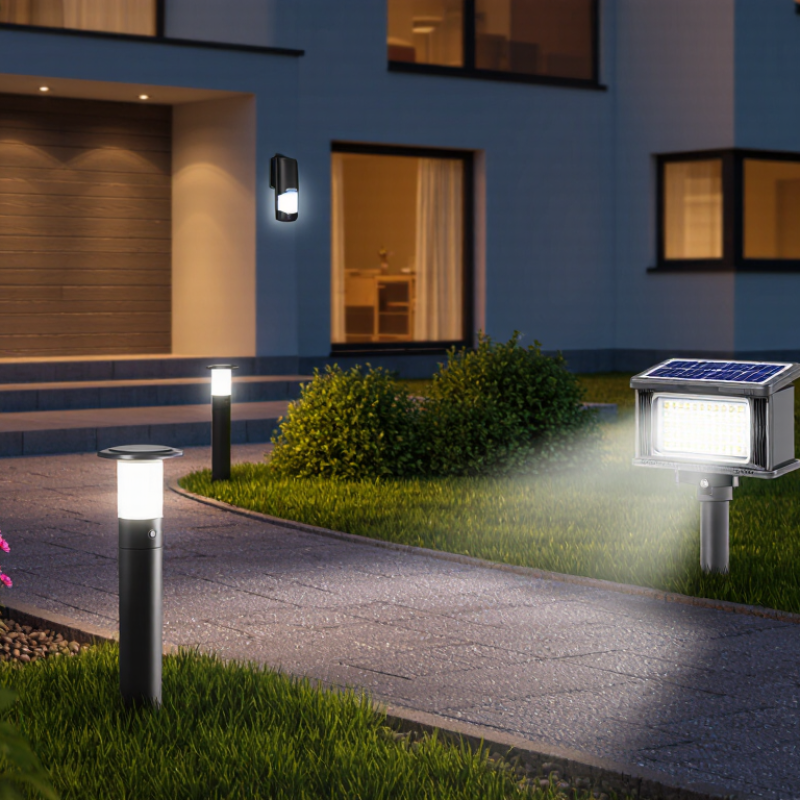
How to Improve Energy Efficiency With Solar Lighting

Assess Lighting Needs and Site Conditions

Before selecting solar fixtures, map what each area actually needs. A parking entrance may need clear facial visibility, while a garden path needs safe footing. Record operating hours, mounting height, obstructions, and the required light level. Avoid sizing every zone alike. That often wastes stored energy.

Check winter shade, not just midday sun. Trees, rooflines, and nearby buildings can cut panel output for months. NREL’s National Solar Radiation Database provides solar and weather data at 4-kilometer spatial and 30-minute time resolution across the contiguous United States. Use its local irradiance data to estimate seasonal charging potential, then compare that estimate with on-site observations. A model can miss a new tree. IEA estimates lighting uses about 15% of global electricity, so avoiding excess illumination matters too.

Measure the darkest weeks, not the annual average. Note cloudy-day patterns, snow cover, and whether panels can face a clear southern sky. For each fixture, estimate nightly watt-hours from power and operating time, including dimming schedules. Check battery autonomy against several low-sun nights. One assumption may be wrong: people often overestimate how long a light needs full output. A dusk-to-dawn test can expose that mistake before installation.

Choose Efficient Solar Fixtures and Components

Choose solar fixtures by useful light, not by the largest lumen number on the box. A focused beam can illuminate a path with less energy than a bright fixture that spills light across a yard. Check the fixture’s efficacy, measured in lumens per watt, and match its output to the task. A doorway needs clear visibility; a garden bed usually does not need stadium lighting. Small details matter.

The panel, battery, and controller work as a system. Place the panel where it receives several hours of direct sun, away from roof shadows and dense branches. A battery with suitable capacity can carry the light through cloudy evenings, but larger is not automatically better. Check whether the battery can be replaced and whether the manufacturer states its expected service life. Dimming or motion sensing can stretch stored energy, especially in areas used only occasionally. Not always.

Choose weather protection for the actual location: a sheltered porch and an exposed garden post face different conditions. Look for sealed connections and a clear ingress-protection rating, then inspect how the panel attaches and adjusts. One trade-off is easy to miss: a highly efficient fixture may still disappoint if its panel gets poor sunlight. Specs help, but the installation site can change the result. A little shade at noon can matter more than an impressive package claim.

Optimize Panel and Light Placement

Solar lighting works best when its panel and lamp serve different jobs. Give the panel the clearest available view of the sky, rather than placing it beside the fixture by default. A few hours of direct sunlight can matter more than a neat-looking installation. Even a narrow shadow from a roof edge or branch may reduce charging during part of the day.

Check the site in the morning and afternoon, not only at noon. Seasonal changes can bring longer shadows; that detail is easy to miss. In the Northern Hemisphere, panels often benefit from facing south, while the reverse generally applies south of the equator. Follow the system’s installation guidance, since ideal tilt depends on location and design. Small shifts matter.

Place lights where their beam reaches a path, doorway, or work area without shining into windows or eyes. Aim downward where practical, and space fixtures so one bright pool does not leave a dark gap nearby. Keep panels clear of foliage as it grows. If the panel can be positioned separately, test a sunnier spot before fixing it in place. A tidy layout is useful, but it is not always the most efficient one.

Use Controls to Match Lighting to Demand

Solar lighting works best when controls deliver light only where and when people need it. A walkway may need bright illumination at dusk, then less light after evening foot traffic fades. Photocells can switch fixtures on at low daylight levels, while timers set reliable operating windows. Motion sensors can raise output when someone approaches and return lights to a lower setting afterward. Small adjustments matter.

Tips: Aim sensors away from moving branches and busy roads. Set a short but practical fade time. Check the area after dark, not only during installation.

Match control settings to the site, not just a standard schedule. A car park used late at night may need a different profile from a quiet garden path. Dimming can help preserve stored energy for predawn hours, especially after cloudy days, though results depend on battery capacity and local weather. Keep essential routes consistently visible, and test sensor coverage from several approach angles. Controls are not “set and forget.” Dust, seasonal foliage, and changed routines can make a good setup less effective over time. A monthly walk-through is simple, and sometimes reveals a blind spot nobody expected.

Maintain Equipment and Track Energy Performance

Solar lighting saves energy only when its equipment works as intended. Dust, leaves, and bird droppings can reduce panel output, while loose connections may cause unreliable operation. Inspect fixtures monthly, especially after storms. Clean panels with a soft cloth and water when needed, following the equipment’s care instructions. Check lenses, seals, and mounting points for cracks or movement. Small faults matter.

Track performance with a simple maintenance log. Record inspection dates, cloudy periods, operating hours, and any lights that dim early or switch off overnight. Compare similar seasons when possible; winter daylight and shade changes can distort the picture. If one fixture underperforms, compare its panel exposure and battery condition with nearby units before replacing parts. A short runtime may signal a failing battery, but it can also reflect poor sun exposure. Data helps, though it does not explain everything.

Tips: Note the time each light switches on and off for several nights. Keep panels clear of new branches. Check whether motion sensors trigger too often. Review the log every few months, and adjust maintenance intervals based on what you observe. I would not assume every dip means equipment failure; weather can make the pattern messy.

How to Improve Energy Efficiency With Solar Lighting - Maintain Equipment and Track Energy Performance

Practical maintenance checks and energy-performance measures for a solar lighting system
Area What to Check or Calculate Recommended Frequency Performance Measure Efficiency Action
Solar panel condition Look for dust, leaves, snow, shading, cracks, and loose mounting hardware. Inspect monthly and after severe weather; clean when soiling is visible or output falls. Daily solar energy harvested (Wh) compared with the system’s baseline under similar weather. Remove shading and clean panels using the panel maker’s guidance; avoid abrasive tools.
Battery and connections Check for corrosion, damaged wiring, loose terminals, swelling, and abnormal heat. Follow battery-specific safety instructions. Inspect monthly; review battery status through the controller when available. Battery state of charge, charging status, and nights of lighting supported. Correct connection faults promptly. Replace batteries according to their condition and manufacturer guidance.
LED fixture and optics Check that the light turns on as scheduled; inspect the lens, housing, and light distribution. Monthly, preferably after dark. Operating hours per night and, where available, measured illuminance at key locations. Clean the lens and adjust aiming or dimming so light is directed where it is needed.
Operating schedule Compare programmed on/off times with actual site needs and seasonal night length. Review seasonally and after changes in site use. Lighting hours per night; estimated energy delivered = fixture watts × operating hours. Use appropriate timers, motion controls, or dimming to avoid unnecessary runtime while maintaining required lighting.
System energy trend Log energy harvested, battery status, operating hours, and any outages in one monitoring record. Record weekly; review monthly against a weather-aware baseline. Monthly uptime (%) = hours operating as scheduled ÷ scheduled hours × 100. Set a site-specific investigation trigger, such as a sustained 10% drop from baseline, and check shading, soiling, settings, and battery condition.
Worked energy calculation Example: four 30 W fixtures operating 10 hours per night use 4 × 30 W × 10 h = 1,200 Wh (1.2 kWh) per night. Recalculate when fixture wattage or operating schedules change. At 30 nights, the example lighting load is 36 kWh. This is a calculation, not measured site data. Compare the estimated load with measured solar generation and battery performance to identify a persistent energy shortfall.

Note: Inspection intervals and performance triggers should be adapted to the site, climate, system design, and equipment manufacturer’s instructions.

FAQS

Where should I place a solar panel for better charging?

Give it the clearest available view of the sky. Even a few direct-sun hours can help.

Should the panel sit beside the light?

Not necessarily. Test a sunnier spot before fixing it in place, even if the layout looks less tidy.

How can I check for shadows?

Look at the site in the morning and afternoon. A roof edge or branch may shade the panel.

Which direction should a panel face?

In the Northern Hemisphere, south often works well; south of the equator, the reverse generally applies. Follow the system’s guidance.

How should I aim outdoor lights?

Direct beams toward paths, doorways, or work areas. Aim downward where practical, and avoid shining into windows or eyes.

How often should I inspect solar lights?

Check them monthly, especially after storms. Look for dirt, loose connections, cracked lenses, damaged seals, or shifting mounts.

What should I record in a maintenance log?

Note inspection dates, cloudy periods, operating hours, and lights that dim early or switch off overnight. Patterns can be messy.

Does a short runtime mean the battery is failing?

Not always. Compare panel exposure and battery condition with nearby lights first. Poor sunlight can also shorten runtime. Small faults matter.

Conclusion

How To Improve Energy Efficiency With Solar Lighting begins with understanding the area’s actual lighting needs and site conditions. Consider how each space is used, how much light it requires, and how sunlight, shade, weather, and seasonal changes may affect performance. Select efficient solar fixtures and components that suit those requirements, and position panels where they can receive ample direct sunlight while aiming lights to illuminate the intended areas without unnecessary spill.

Lighting controls can further reduce energy use by matching output to demand. Timers, motion sensors, and adjustable brightness settings help provide light when and where it is needed. Regularly clean panels, inspect fixtures and connections, and check battery condition to keep the system working effectively. Tracking operating patterns, illumination, and maintenance needs over time makes it easier to spot problems, adjust settings, and maintain reliable lighting with less wasted energy.

Isabella

Isabella

Isabella is a dedicated marketing professional with a sharp focus on driving brand growth and engagement through strategic content creation. With an extensive background in digital marketing, she combines her passion for storytelling with her keen understanding of industry trends to deliver......