How To Install Solar Lighting At Home Without Hiring Experts?

Time:2026-09-02 Author:Sophia
0%

Are you considering solar lighting for your home? Learning how to install solar lighting without professional help can be both rewarding and economical. Many homeowners find joy in making eco-friendly choices. Solar lighting not only reduces electricity bills but also enhances outdoor ambiance.

However, the process can seem daunting at first. It's essential to understand the basics of solar lighting installation. Knowing how to position solar panels and selecting the right fixtures can make a significant difference. Mistakes can happen, like miscalculating sunlight exposure or facing issues with wiring. These challenges can be frustrating but are part of the learning journey.

With some patience and the right tools, you can successfully illuminate your space. Whether you aim for security lighting or decorative features, DIY solar lighting is achievable. Embrace the adventure of installation, and celebrate the small victories along the way. This guide aims to empower you with knowledge and confidence as you step into the world of solar lighting at home.
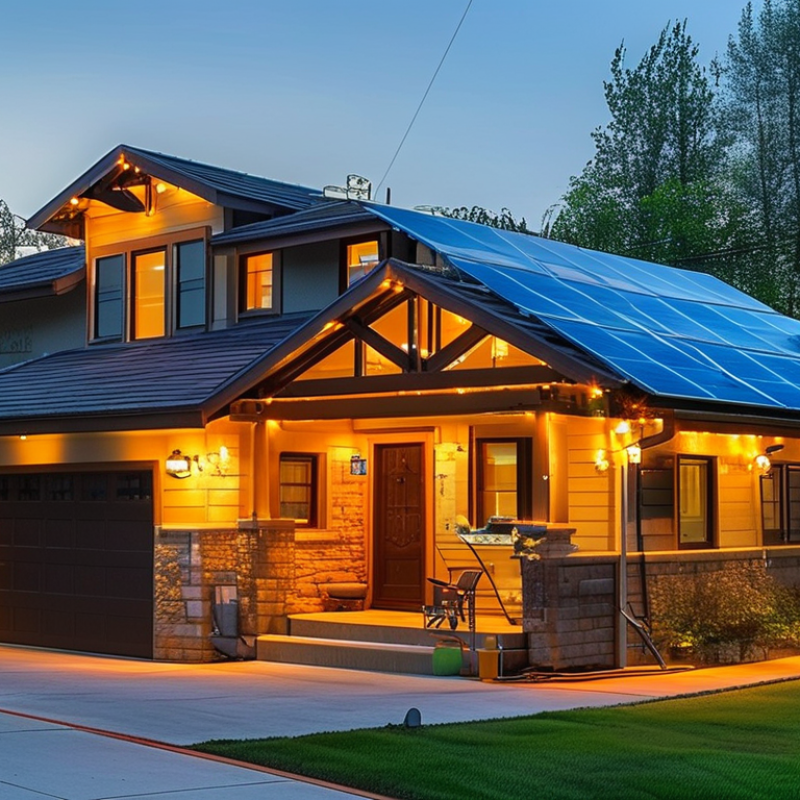
How To Install Solar Lighting At Home Without Hiring Experts?

Understanding Solar Lighting: Types and Benefits for Home Use

Solar lighting has gained popularity as a sustainable solution for home illumination. These systems harness sunlight during the day, using it to power lights at night. There are three main types of solar lights: solar garden lights, solar path lights, and solar wall lights. Each type serves unique purposes, providing flexibility in outdoor lighting design. According to a report by Allied Market Research, the global solar lighting market is expected to reach $15.3 billion by 2026, reflecting a growing shift towards renewable energy sources.

The benefits of solar lighting extend beyond simple aesthetics. These systems significantly reduce electricity costs over time. Homeowners can save up to 80% on outdoor lighting expenses after installation. Solar lights are also easy to install and require minimal maintenance. They are powered by solar panels, which collect energy, making them efficient and eco-friendly. However, users must consider factors like sunlight exposure and seasonal variations, which can affect performance. Not all solar lights are created equal, so it’s essential to research product specifications before purchasing.


Implementing solar lighting can be a rewarding yet imperfect venture. While initial costs are lower than expected, performance may vary. Some may find that their garden lights do not illuminate as expected during cloudy days. Reflecting on these experiences is crucial for future projects. Overall, solar lighting offers compelling advantages but requires careful consideration of individual settings and needs.

Assessing the Best Locations for Solar Lights Around Your Home

Selecting the best locations for solar lights around your home is crucial for maximizing their efficiency. Research indicates that solar lighting can reduce energy costs by up to 80%. To make the most of this potential, start by assessing areas that receive direct sunlight for several hours each day. Roofs, patios, and open gardens are prime candidates. Professional studies recommend placing solar lights where they can catch the sun’s rays, ensuring they remain charged for extended periods.

Consider placing lights along pathways and near entry points. These areas benefit not only from illumination but also enhance safety. Data shows that well-lit paths reduce accidents by 60%. Installing solar lights near shrubs or decorative features can highlight your landscape, adding aesthetic value. When choosing locations, think about the light's angle without any obstructions like trees or buildings. Lack of sunlight exposure can lead to inadequate performance, so evaluating potential shadows is important.

Finally, remember that not all locations will be ideal. Some areas may not receive enough sunlight due to surrounding structures. It can be challenging to find the perfect spot. Testing different positions can reveal where your lights work best. This trial-and-error approach helps in learning more about your landscape and optimizing your solar lighting setup.

Required Tools and Materials for Installing Solar Lighting

Installing solar lighting at home is an empowering project. You gain independence while enhancing your outdoor space. To start, gather the necessary tools and materials.

Basic tools include a power drill, screwdriver, and measuring tape. A shovel might be needed to create holes for the lights. You will also require wire cutters and pliers to manage electrical connections. Ensure that you have your solar lighting kits ready. They typically come with lights, stakes, and connectors. A level tool can help ensure proper alignment for your lights.

Before beginning, check your local weather. Rain can delay your project. Ensure you have a clear plan for light placement. Think about areas that need illumination and how sunlight will affect performance. Rushing the process may lead to improper setup, which impacts the lights' efficiency. Planning for the future is equally essential. You might want to add more lights later, so leave some room for expansion. This mindset enhances your overall experience of using solar lighting.

How To Install Solar Lighting At Home Without Hiring Experts? - Required Tools and Materials for Installing Solar Lighting

Item Description Quantity Estimated Cost ($)
Solar Lights Outdoor solar LED lights for pathways or gardens 10 150
Mounting Hardware Screws, brackets, and anchors for secure installation 1 set 20
Wire Strippers For preparing any electrical connections, if needed 1 10
Drill For making holes in walls or ground for installation 1 100
Measuring Tape To measure distances for proper light placement 1 15
Level To ensure fixtures are hung straight 1 10
Safety Glasses To protect eyes while drilling or cutting 1 5

Step-by-Step Guide to Installing Solar Lights Safely

Installing solar lighting at home can be a rewarding DIY project. Start by choosing the right location. Look for areas that receive ample sunlight throughout the day. Areas near trees or buildings may limit solar absorption. Mark the spots where you want to install the lights. Ensure they will get direct sunlight, especially during peak hours.

Next, prepare the installation tools. You will need a shovel, a level, and possibly a hammer, depending on the type of solar lights you purchased. Dig holes for the light poles or fixtures according to the manufacturer’s instructions. If your lights come with stakes, you'll need to push them into the ground. Make sure they are stable and secure, as a loose installation can lead to misalignment or failure over time.

Once installed, test the lights at night. Check if they illuminate as intended. If some lights do not shine brightly, consider their placement or battery condition. Over time, you may notice dirt accumulating on the solar panels. Regular cleaning is essential for optimum performance. Reflect on the process and note any difficulties you encountered. This will help enhance your skills in future projects.

Maintenance Tips for Prolonging the Life of Solar Lighting Systems

Solar lighting systems are a fantastic choice for eco-friendly home illumination. To ensure these systems last and function efficiently, routine maintenance is essential. One key aspect is to keep the solar panels clean. Dust, leaves, and dirt can block sunlight, reducing energy absorption. Use a soft cloth or sponge with water to clean panels regularly. This simple step can significantly enhance the system's performance.

Another crucial maintenance tip is checking the battery life periodically. Over time, batteries can lose their efficiency. If you notice less brightness, it may be time to replace the battery. Always use the correct type of battery for your solar lights. This practice not only ensures optimal performance but also prevents potential damage.

Additionally, inspect the wiring and connections for any signs of wear or corrosion. Worn-out or damaged wires should be addressed promptly to avoid performance issues. Keeping an eye on the surrounding landscape is equally important. Trim back overgrown plants that could block light to the solar panels. Regular attention to these details can prolong the life of your solar lighting, making it a sustainable choice for your home.

FAQS

: Where should I install solar lights?

: Choose locations with ample sunlight, avoiding areas near trees or buildings.

What tools do I need for installation?

You will need a shovel, a level, and possibly a hammer, depending on your lights.

How deep should I dig holes for installation?

Follow the manufacturer’s instructions for depth and spacing of light poles or fixtures.

What should I do if lights aren’t bright enough?

Check the placement or condition of the battery, as both can affect brightness.

How often should I clean solar panels?

Regular cleaning is essential to maintain efficiency. Clean them with a soft cloth or sponge.

What if the batteries lose their efficiency?

Consider replacing the batteries if you notice reduced brightness in your solar lights.

How do I check for wiring issues?

Inspect wires and connections for signs of wear or corrosion regularly.

Is it important to trim surrounding plants?

Yes, overgrown plants can block sunlight to the solar panels, impacting performance.

What is a common mistake during installation?

A loose installation can lead to misalignment and failure over time.

Should I reflect on the installation process?

Yes, noting any difficulties can help improve your skills for future DIY projects.

Conclusion

Installing solar lighting at home can be a rewarding and cost-effective way to enhance your outdoor space without the need for professional help. In the article "How To Install Solar Lighting At Home Without Hiring Experts," readers will first gain an understanding of various types of solar lights and their benefits, making an informed decision easier. The article further explores the best locations for installation, ensuring optimal performance and aesthetics.

For a successful installation, it outlines the essential tools and materials required. Following a detailed step-by-step guide will help ensure safety and efficiency during the process. Finally, readers are provided with maintenance tips to prolong the lifespan of their solar lighting systems. This comprehensive approach ensures that anyone can learn how to install solar lighting without professional help, transforming their outdoor areas into beautifully illuminated spaces.

Sophia

Sophia

Sophia is a dedicated marketing professional with an exceptional depth of knowledge about her company's products and services. With a keen understanding of market trends and customer needs, she crafts insightful blog posts that not only inform but also engage readers, enriching the company’s online......