2026 How to Maintain Solar Panels for Maximum Efficiency?

Time:2026-07-03 Author:Isabella
0%

Maintaining solar panels is crucial for optimal energy output. As homeowners and businesses increasingly rely on solar energy, understanding how to care for these systems becomes essential. What are the best practices for solar panel maintenance? Regular checks can prevent issues that might hinder efficiency.

Accumulated dirt and debris can obstruct sunlight. Keeping panels clean is vital. Simple inspections every few months can save money in the long run. Additionally, checking for shading from nearby trees or structures is necessary.

Overlooking maintenance can lead to decreased performance. Some may assume solar panels require little attention, but neglect can result in costly repairs. Following recommended practices ensures longevity and effectiveness. Being proactive ensures that your investment continues to yield energy efficiently.
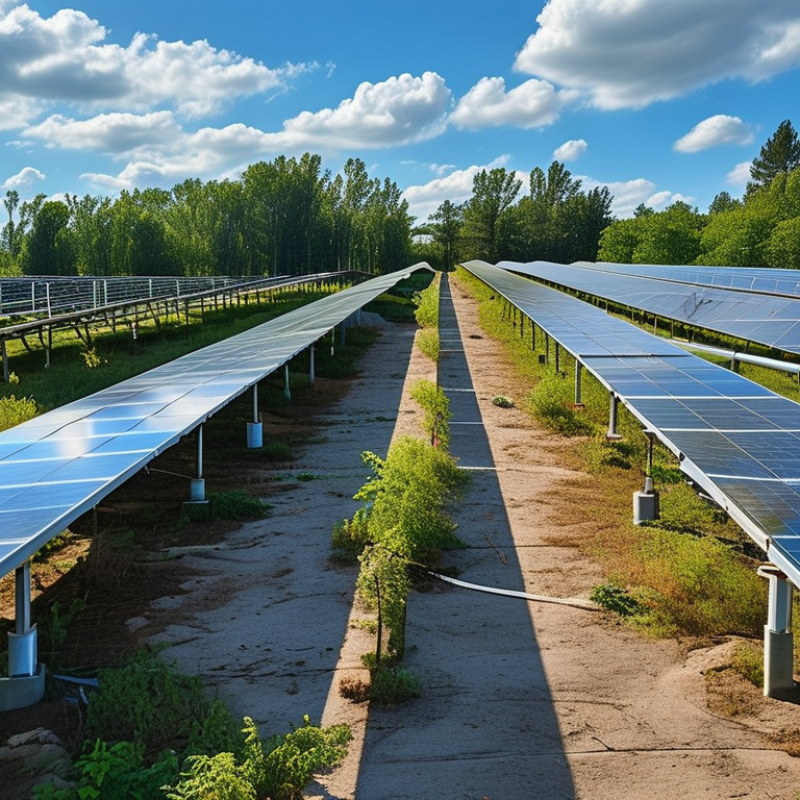
2026 How to Maintain Solar Panels for Maximum Efficiency?

Understanding the Basics of Solar Panel Maintenance

Maintaining solar panels involves understanding their specific needs. According to the Solar Energy Industries Association, regular inspections can improve their efficiency significantly. Keeping panels clean is vital. Dust and debris can reduce efficiency by up to 25%. This simple maintenance task can be done biannually.

Temperature fluctuations impact performance as well. Excessive heat can decrease efficiency. In fact, studies show that for every degree Celsius rise, energy production drops by roughly 0.5%. It's essential to monitor local weather conditions and adjust maintenance accordingly.

Regular check-ups also let you catch issues early. Small damages may lead to bigger problems if ignored. Inspect for cracks or corrosion at least once a year. Ignoring such details could undermine your investment. A proactive approach can maintain efficiency and prolong the lifespan of your solar panel system.

2026 How to Maintain Solar Panels for Maximum Efficiency?

Maintenance Task Frequency Duration Expected Benefits
Visual Inspection Monthly 30 min Identify any physical damage or debris
Cleaning Panels Biannually 1 hour Improve sunlight absorption and efficiency
Check Connections Yearly 1 hour Ensure secure and functioning electrical connections
Monitor Performance Monthly 15 min Identify any drop in energy output
Inspect Inverter Yearly 30 min Ensure inverter is functioning properly

Routine Cleaning Techniques for Optimal Solar Efficiency

Routine cleaning is essential for maintaining solar panels' efficiency, as dirt and debris can significantly reduce energy output. According to a study by the National Renewable Energy Laboratory, dirty panels can lose up to 25% of their efficiency. Regular cleaning can help optimize energy production, especially in areas with high dust or pollen.

One effective cleaning technique involves using a soft brush or sponge with mild soap and water. This method prevents scratches and ensures thorough dirt removal. Rinsing with distilled water is advisable to prevent mineral buildup from tap water. Experts recommend cleaning panels every six months, or more frequently if you notice significant dirt accumulation. It's crucial to choose a time of day when panels are cool to avoid thermal shock.

While routine cleaning is vital, it’s essential to reflect on common oversights. Many homeowners underestimate the importance of roof inspections, which can reveal blockages or shading issues. Failing to maintain clear pathways around solar arrays can also impede access for cleaning. To maximize efficiency, a comprehensive approach combining cleaning and regular inspections is fundamental.

2026 Solar Panel Cleaning Frequency and Efficiency

Identifying Common Issues and Their Solutions

Maintaining solar panels is crucial for achieving maximum efficiency. Regular inspections help identify common issues like dirt accumulation and shading. According to industry reports, dirty panels can reduce energy output by up to 25%. Simple cleaning with water can restore efficiency. However, care should be taken to avoid scratching the surface.

Another common issue is wiring problems. Over time, connections can corrode or become loose. This can lead to significant energy loss. Inspections at least once a year are recommended. Checking the inverter status is also vital. A faulty inverter can hinder energy production, even if the panels are in good condition.

Monitoring performance regularly can highlight inefficiencies. Any drop in energy output over time may signal a need for deeper investigation. In some cases, it might be beneficial to consult an expert. While the average lifespan of solar panels is about 25 years, ensuring they function well requires diligence.

Tips for Inspecting and Monitoring Solar Panel Performance

When it comes to solar panel maintenance, regular inspection is key. Look for signs of dirt accumulation on the surface. A clean panel absorbs sunlight more efficiently. Birds, leaves, or dust can drastically reduce performance. If a month passes without rainfall, consider washing your panels. This simple step can boost energy output.

Monitoring performance is essential for efficiency. Use monitoring systems to track energy production. Compare the data to expected outputs. A sudden drop in performance may signal an issue. Check for shading from new obstacles like growing trees. Even seasonal changes can impact sunlight exposure, creating potential problems.

It's important to remember that not every inspection will yield perfect results. Panels might still underperform despite routine checks. Reflect on areas for improvement. Perhaps different cleaning methods could enhance performance. Even experts learn from these experiences. Regular evaluation fosters a proactive approach to solar panel maintenance.

Scheduling Professional Maintenance for Long-Term Care

Scheduling regular professional maintenance for solar panels is essential for achieving long-term efficiency. Experts recommend having a qualified technician inspect your solar system at least once a year. During these checks, they can identify issues that may not be visible to the untrained eye. This proactive approach can prevent costly repairs down the line.

Consider the following tips to keep your solar panels in top shape. First, keep the panels clean. Dust, leaves, and debris can accumulate and block sunlight. A simple rinse with water can make a significant difference.

Second, monitor your system's performance regularly. If you notice a drop in energy production, contact a professional. They can diagnose problems early and save you from bigger issues later.

Remember, the efficiency of solar panels can decline without proper care. Some homeowners overlook minor wear and tear. Regular maintenance helps address these concerns before they escalate. A scheduled inspection not only boosts efficiency but also extends the life of your solar investment. Be proactive in your approach to maintenance for optimal results.

FAQS

: Why is maintaining solar panels important?

: Proper maintenance ensures maximum efficiency and can prevent energy loss. Dirty panels can reduce output by up to 25%.

How often should I inspect my solar panels?

Regular inspections are recommended at least once a year to identify issues like dirt, wiring problems, or inverter faults.

What can dirt do to solar panel efficiency?

Dirt accumulation can block sunlight, significantly lowering energy production. Simple cleaning with water can restore efficiency.

What should I do if I notice a drop in energy output?

Monitor performance regularly and contact a professional for diagnostics. Early detection can prevent larger issues.

How can wiring issues affect solar panels?

Corroded or loose connections can lead to significant energy loss. Annual inspections help catch these problems early.

Is professional maintenance necessary?

Yes, a qualified technician should inspect your system annually. They can identify hidden issues and prevent costly repairs.

Can I clean my solar panels myself?

Yes, simple cleaning is possible. However, avoid scratching the surface and ensure proper techniques are used.

What happens if I neglect maintenance?

Neglecting maintenance can lead to reduced efficiency and shorter panel lifespan. Regular attention is essential for optimal performance.

How long do solar panels last?

The average lifespan of solar panels is about 25 years, but proper care is needed to ensure they function well during that time.

Conclusion

To ensure maximum efficiency of solar panels, it's essential to understand the fundamentals of solar panel maintenance. This includes regular cleaning techniques that help remove dirt and debris, which can obstruct sunlight and reduce energy production. Additionally, identifying common issues, such as loose connections or shading, allows for prompt solutions to maintain optimal performance.

Furthermore, monitoring solar panel performance is crucial; routine inspections can catch problems early and ensure systems are functioning correctly. It's important to schedule professional maintenance periodically, as these experts can provide in-depth evaluations and necessary repairs. By following these guidelines, one can answer the question, "What Are The Best Practices For Solar Panel Maintenance?" effectively, ensuring a long lifespan and sustained efficiency of solar energy systems.

Isabella

Isabella

Isabella is a dedicated marketing professional with a sharp focus on driving brand growth and engagement through strategic content creation. With an extensive background in digital marketing, she combines her passion for storytelling with her keen understanding of industry trends to deliver......