Lighting is a crucial element in any space. It can enhance mood, productivity, and even safety. However, improper lighting placement can lead to wasted energy and reduced efficiency. Knowing how to optimize lighting placement for maximum efficiency is essential for homeowners and business owners alike.
Effective lighting requires thoughtful consideration of how natural light interacts with artificial sources. For instance, east-facing windows can be a source of bright morning light. Strategic placement of lighting fixtures can complement this natural illumination. An incorrect approach might leave some areas overly bright and others too dark.
Additionally, it's vital to regularly assess your lighting setup. What looks good now may not be efficient later. Over time, needs change, and lighting should adapt accordingly. Taking a moment to evaluate your current fixtures might reveal inefficiencies. A better arrangement can lead not just to improved comfort, but also to significant energy savings.
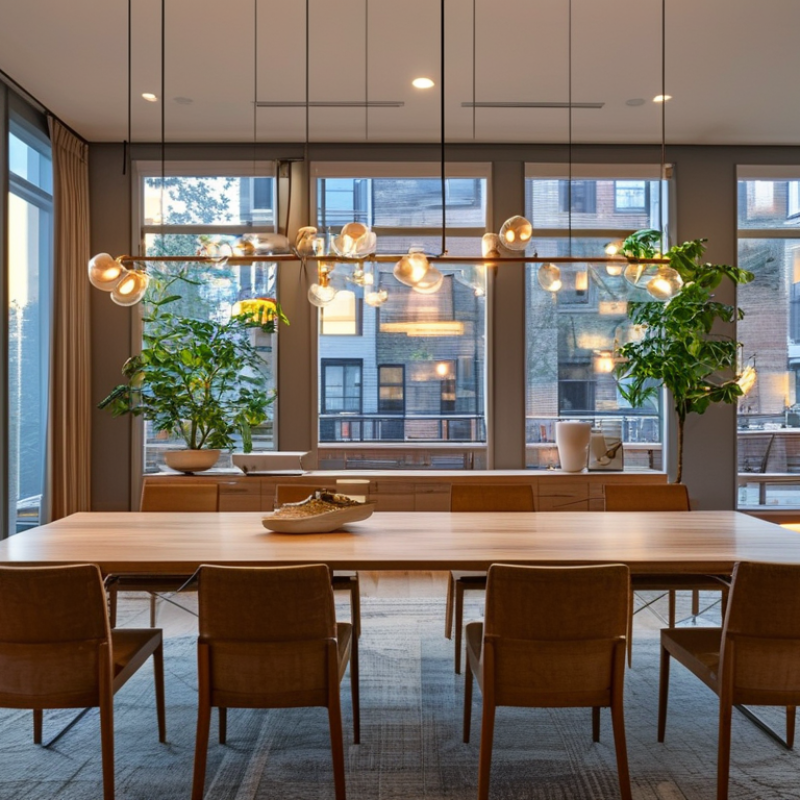
Lighting placement significantly influences the functionality and atmosphere of various spaces. Research shows that well-placed lighting can enhance productivity by up to 20% in office environments. In residential settings, optimal lighting can improve overall satisfaction and mood among inhabitants. Choosing the right areas for light installation is critical for achieving these benefits.
A recent study found that 70% of users prefer spaces with adjustable, well-distributed lighting. This suggests that flexibility in lighting placement is essential. Improperly positioned lights can lead to uneven illumination and create shadows, which may cause strain. This is particularly important in areas that require focus, such as workspaces and study areas.
However, there is often a lack of understanding regarding the nuances of lighting design. Factors like ceiling height, wall color, and the room's purpose are often overlooked. For instance, a light mounted too high can fail to illuminate important areas, while lights placed too low can cause glare. Balancing these elements is crucial yet challenging. Emphasizing the need for expert consultation can lead to more effective lighting strategies in any space.
Lighting plays a crucial role in enhancing both functionality and aesthetics in any space. Understanding the types of lighting available can significantly improve efficiency. There are three primary types: ambient, task, and accent lighting. Research by the Department of Energy shows that efficient lighting can reduce energy consumption by up to 75% in some cases. Thus, knowing when and where to use each type is vital.
Ambient lighting offers general illumination. It provides a uniform light level across a space, essential for safety and visibility. Task lighting focuses on specific areas where activities are carried out, such as reading or cooking. This type of lighting is not just practical; it can also enhance productivity. A study found that well-lit workspaces can increase efficiency by 20%. Accent lighting, on the other hand, adds drama and highlights features. However, it can also lead to wasted energy if overused.
Placement is key to maximizing efficiency. Most people overlook the impact of light placement on overall energy use. For instance, poorly positioned fixtures could cause glare or shadows, compromising effectiveness. A 2019 report indicated that improper lighting placement leads to an estimated 30% loss in light efficiency. Thus, evaluating your lighting layout and testing different arrangements may reveal areas for significant improvement.
This chart illustrates the optimal placement of different types of lighting and their corresponding lumens per square foot for maximum efficiency. Consider using a mix of ambient, task, accent, and natural light in various applications to enhance the overall lighting scheme.
When optimizing lighting placement, evaluating the room size and layout is crucial. A small room may not require multiple light sources. One ceiling fixture can often suffice, especially when placed at the center. In contrast, larger spaces benefit from various lighting options. Combine ambient, task, and accent lights to create a balanced atmosphere.
Consider the layout of the furniture. Large pieces can create shadows and dark spots. Ensure that light sources illuminate pathways and key areas. A floor lamp beside a reading chair provides both comfort and utility. Think about wall colors too; lighter shades reflect light better, enhancing brightness.
Remember that not every design choice will be perfect. Sometimes, areas might remain dull despite your efforts. Experiment with different placements and intensities. Don’t hesitate to seek feedback. Poor lighting can affect mood and productivity, so adjust as needed. Reflecting on your choices will guide you toward a more effective lighting strategy.
Balancing natural and artificial light is crucial for creating an efficient and comfortable space. Natural light can energize a room, making it feel more inviting. Position windows to maximize sunlight, but consider the sun's path. Use sheer curtains to diffuse harsh sunlight while still allowing light to fill the space. This creates a warm atmosphere.
Artificial lighting should complement natural sources. Layer your lighting with ambient, task, and accent lights. Use LED bulbs for energy efficiency and longevity. Bright, direct lights can create glare, especially in combination with natural light. Placing lights strategically can minimize shadows, promoting a well-lit environment without being overwhelming.
Consider the room's purpose when choosing the balance of light. For relaxation areas, softer lighting is preferable. In contrast, workspaces may benefit from brighter, more focused illumination. Reflect on whether the current setup meets your needs. Small adjustments can lead to significant improvements, enhancing both comfort and efficiency.
The right brightness and color temperature play a crucial role in lighting efficiency. Studies have shown that proper lighting can improve task performance by up to 25%. For offices, a brightness level between 300 to 500 lux is generally recommended. This range enhances visibility while reducing eye strain.
Color temperature also influences our mood and productivity. A cooler temperature, around 4000K to 5000K, can boost alertness and focus. Meanwhile, warmer tones, around 2700K to 3000K, can create a calming atmosphere. Research indicates that workers exposed to natural light and cooler color temperatures reported higher satisfaction, with a 40% increase in overall well-being.
Adjusting these factors is essential. However, many spaces overlook this optimization. Often, uniform lighting fails to cater to specific needs. Regular evaluation is key. A well-lit workplace can transform the environment. Yet, 30% of employees still work in poorly lit spaces. This underlines the importance of assessing lighting regularly to maximize efficiency.
| Room Type | Recommended Brightness (Lux) | Color Temperature (Kelvin) | Lighting Type |
|---|---|---|---|
| Living Room | 100-300 | 2700-3000 | LED |
| Kitchen | 300-750 | 3500-4100 | Fluorescent |
| Office | 300-500 | 4000-5000 | LED |
| Bedroom | 150-300 | 2700-3000 | Incandescent |
| Bathroom | 200-500 | 3000-4000 | LED |
: Well-placed lighting can enhance productivity by up to 20% in office environments.
Task lighting is ideal for focused activities like reading or cooking.
About 70% of users favor spaces with adjustable lighting for flexibility and comfort.
Improperly positioned lights can cause glare, shadows, and eye strain.
Ceilings that are too high or too low can hinder proper illumination.
A brightness level between 300 to 500 lux is generally recommended for offices.
Cooler color temperatures around 4000K to 5000K enhance alertness and focus.
Efficient lighting can reduce energy consumption by up to 75% in some cases.
Regular evaluation can reveal underutilized areas and improve overall efficiency.
About 30% of employees still work in spaces with inadequate lighting.
Effective lighting placement is crucial for creating functional and aesthetically pleasing spaces. In the article "Optimize Lighting Placement for Maximum Efficiency," we explore various strategies to harness the full potential of lighting in any environment. Understanding the importance of lighting placement involves recognizing how different types of lighting can be used optimally in relation to room size and layout.
To achieve the best results, it’s essential to evaluate your space carefully, balancing natural and artificial light sources, and adjusting brightness and color temperature as needed. By applying these techniques, you can enhance productivity and comfort in your spaces while achieving energy efficiency. This guide serves as a comprehensive resource on how to optimize lighting placement for maximum efficiency, ultimately leading to improved well-being and reduced energy costs.

SWF Lights