Choosing the right outdoor lighting can transform your space. Proper illumination enhances safety and aesthetics. However, many overlook the importance of durability. Understanding how to select durable outdoor lighting systems is crucial for long-term satisfaction.
Quality matters when selecting lighting fixtures. Harsh weather can damage inferior products quickly. Look for materials like stainless steel or corrosion-resistant alloys. While these options may cost more upfront, they offer greater longevity.
Think about energy efficiency too. LED lights can save you money in the long run. They last longer than traditional bulbs and use less power. Yet, not all LEDs are created equal. Researching brands with a good reputation is fundamental. Balancing cost with quality often requires careful consideration.
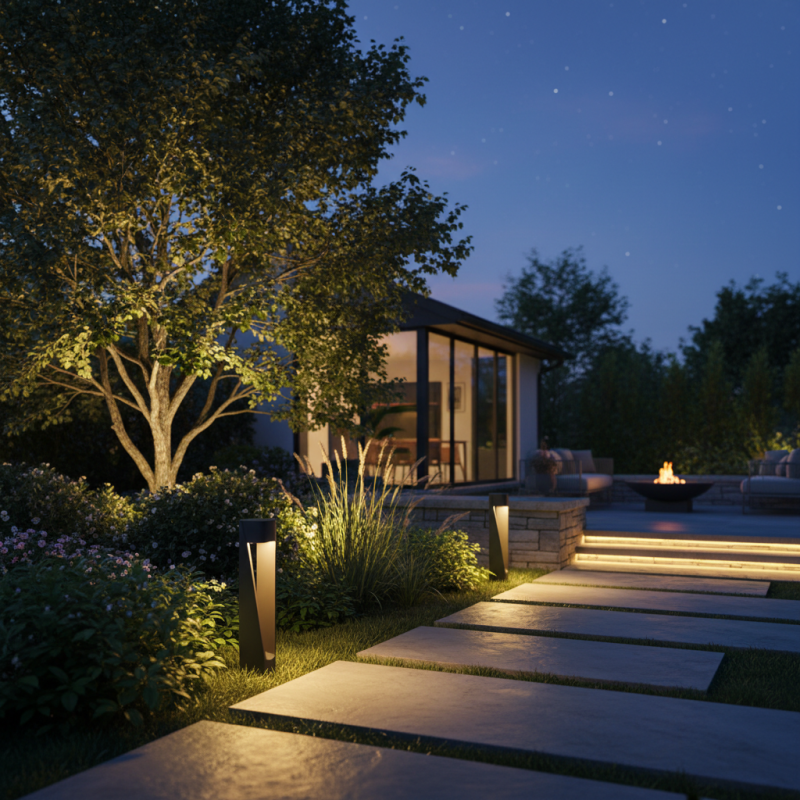
When selecting outdoor lighting systems, understanding your lighting needs is crucial for durability. Think about the environment where the fixtures will be placed. Exposure to harsh weather can affect performance. Choosing materials that resist corrosion and fading is essential.
Consider employing LED lights. They have a longer lifespan and require less maintenance. However, not all LEDs are built the same. Look for options with better heat dissipation. This can prevent premature failure. A well-designed fixture suits your climate. If you live in a region with heavy rain, ensure that the lighting has a proper IP rating.
Remember the importance of installation. Proper placement and support can make a significant difference. Install fixtures at the right height and angle to maximize light distribution. If you opt for solar-powered options, they should be placed in areas with ample sunlight. Be mindful of shadows and obstacles that could diminish their effectiveness. Your careful planning will enhance these systems' durability over time.
| Tip Number | Tip Description | Material Considerations | Energy Efficiency | Maintenance Level |
|---|---|---|---|---|
| 1 | Choose Weather-Resistant Fixtures | Aluminum, Stainless Steel | LEDs recommended | Low maintenance |
| 2 | Opt for UV-Resistant Materials | Polycarbonate, Glass | CFLs can fade | Moderate maintenance |
| 3 | Consider the Power Source | Wired, Solar | Solar efficiency | Low to Moderate |
| 4 | Check Local Weather Conditions | Adapted for humidity/temperature | N/A | N/A |
| 5 | Select Appropriate Brightness | Measured in lumens | Higher lumens = more energy | Variable maintenance |
| 6 | Implement Smart Technology | Integration with sensors | Smart LEDs save energy | Minimal |
| 7 | Focus on Installation Quality | Professional versus DIY | N/A | High if done poorly |
| 8 | Verify IP Rating for Weatherproofing | IP65 or higher | N/A | N/A |
| 9 | Consider Light Color Temperature | Warm versus Cool | Impacts energy usage | Minimal |
| 10 | Evaluate Warranty and Support | Duration and coverage | N/A | N/A |
: Choose materials like aluminum or stainless steel for durability. They resist rust and corrosion.
Plastic fixtures are lighter but may not endure tough weather conditions as well as metal options.
Look for protective coatings on LED lights. Ratings like IP65 indicate high protection against moisture and dust.
Local climate affects performance. Extreme temperatures and humidity can impact how the lights work.
Energy-efficient lights consume less power, lowering energy bills and carbon footprints.
Some systems need regular maintenance, while others may be maintenance-free for years. Assess needs carefully.
Customer reviews provide insights on real-world performance, helping identify reliable products.
No, some LED products may have lower quality components, affecting lifespan and performance.
Efficiency of solar lights can be influenced by geographical location and weather conditions.
Inadequate research can lead to poor choices. Reviews and expert recommendations enhance reliability.
When considering how to select durable outdoor lighting systems, it's essential to start by understanding your specific lighting needs and how they align with durability requirements. Assessing the quality of materials and their weather resistance is crucial, as these factors directly influence the longevity of your lighting fixtures. Furthermore, choosing the right light sources can enhance the durability of your outdoor setup, ensuring that they withstand the test of time.
In addition to material and light source evaluation, energy efficiency and maintenance requirements play a significant role in the overall longevity of outdoor lighting systems. Assessing various installation options is also important, as stable and safe installations can significantly impact the durability and performance of your lighting. By systematically considering these aspects, you can make informed decisions that lead to the selection of reliable and long-lasting outdoor lighting solutions.

 SWF Lights