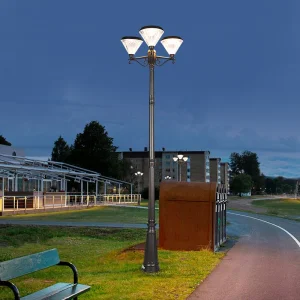
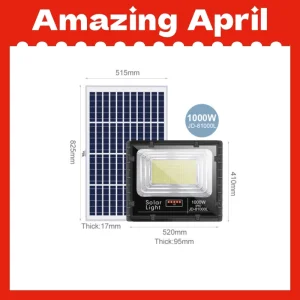
Engineered for High-Performance Outdoor Illumination and Extreme Meteorological Endurance
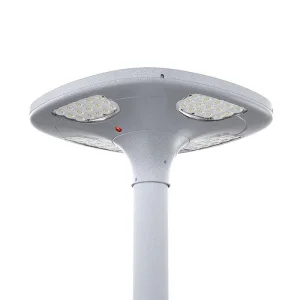
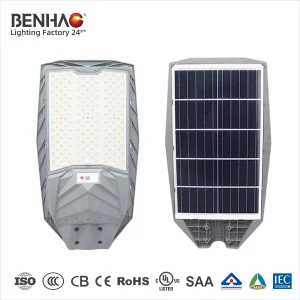
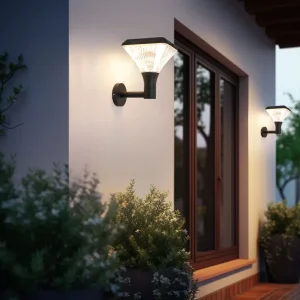
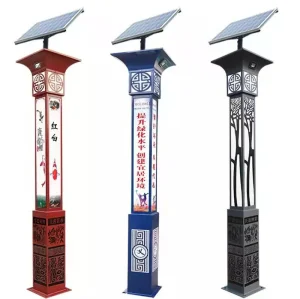
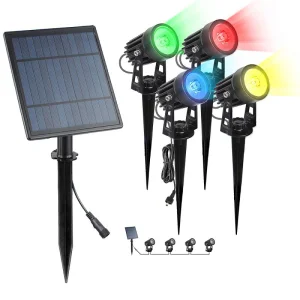
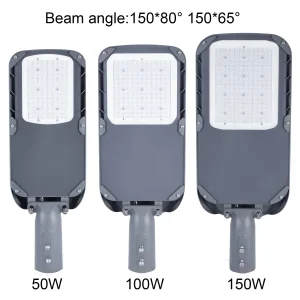
Why High-End Decorative Solar Solutions Represent the Next Frontier in Commercial Landscape Engineering
In the modern commercial landscape and civil engineering spaces, outdoor illumination has undergone a fundamental transformation. What was once seen simply as functional exterior lighting has evolved into a key element of ecological architecture and corporate sustainability branding. In this context, solar decorative lanterns represent a critical intersection: combining aesthetic values with advanced smart-grid and micro-energy storage capabilities. Modern procurement teams are no longer searching merely for "garden lamps" but are seeking robust, high-lumen, weatherproof outdoor solar systems designed to meet municipal green building mandates, ESG investment goals, and localized safety standards.
Google’s recent search updates highlight a clear shift in user intent. Global buyers are focusing heavily on information gain, looking for verified technical specifications, manufacturing processes, and structural durability data instead of generic marketing claims. This whitepaper analyzes the current manufacturing capabilities, supply chain logistics, and technological advancements within the Chinese solar manufacturing hub, with a particular focus on the development capabilities of Wuxi SWF Lights Co., Ltd. as an industry leader.
Technical Expertise and Vertically Integrated Solar Engineering Since 2017
Established formally in 2017 in Wuxi, China, Wuxi SWF Lights Co., Ltd. has grown over the past 8 years to become an integrated supplier of one-stop solutions for micro-energy storage systems. While many companies in the market operate strictly as assembly operations or trading intermediaries, SWF Lights stands out due to its comprehensive ownership of the manufacturing process. The company manages 13 large-scale production bases covering the entire industry chain: from product design, tooling mold processing, lithium-ion battery pack production, and PV panel manufacturing, to CSMT (Chip Surface Mount Technology) for LED chip placement, light distribution lens injection, and final quality control testing.
This vertical integration ensures strict quality management at every stage. In addition, the firm invests more than 20 million Yuan annually in research and development. This sustained R&D focus has yielded dozens of design and utility patents, allowing the company to serve competitive international markets—including Southeast Asia, the Americas, Europe, and the Middle East—with fully compliant, IP-protected products.
| Strategic Indicator | Operational Parameter & SWF Lights Performance Details |
|---|---|
| Headquarters & Foundry Location | Wuxi, Jiangsu Province, China (Proximity to major shipping hubs) |
| Registered Capital & Business Type | $1.3 Million USD | Joint Manufacturer & Trade Company |
| Scope of Production | Solar Garden Lights, Solar Street Lights, Solar Electric Heaters, Solar Air Conditioners, Solar Inverters, LFP Energy Storage Units |
| Annual Business Turnout | US$5 Million - US$10 Million (Export ratio: 31% - 40%) |
| Lead Times | Within 15 workdays (Guaranteed during both peak and off-peak seasons) |
| Payment Terms & Incoterms | FOB, CIF | Supported methods: L/C, T/T, Paypal |
| Regulatory Compliance | FDA, CE, RoHS, FCC, and regional environmental standards |
Consolidated Industrial Ecosystems and In-House Component Integration
The global dominance of Chinese solar manufacturers is built on consolidated industrial clusters and highly integrated manufacturing processes. Companies like Wuxi SWF Lights capitalize on these regional advantages, replacing external sub-contracting models with direct, in-house vertical integration:
In-house tool design and mold fabrication allow for rapid prototyping, enabling new product designs to move from CAD concepts to physical production in a fraction of the standard industry timeline.
By packaging Lithium Iron Phosphate (LiFePO4) cells directly in-house, manufacturing teams can configure customized voltage, discharge, and battery management systems (BMS) for different geographic climates.
Using fully automated surface mount technology (CSMT) lines guarantees consistent, high-efficiency chip placement, optimal heat dissipation, and long-term lumen maintenance across the LED's operational life.
This manufacturing strategy drastically reduces lead times. While fragmented global supply chains struggle with logistics bottlenecks and components mismatch, SWF Lights ensures a steady 15-working-day delivery window for volume orders. Standardized internal components also improve serviceability and simplify maintenance, lowering the lifetime cost of ownership for commercial buyers.
Matching Industrial Capacity with Global Standards and Project Specifications
B2B procurement managers, landscape architects, and municipal lighting engineers evaluate solar products using strict criteria. Standard residential-grade components are insufficient for complex public works and commercial developments. Key technical considerations include:
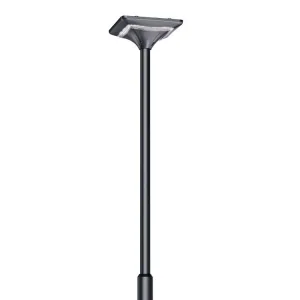
1. Architectural Integration and Aesthetics: Solar decorative lanterns must deliver clean, reliable illumination while blending seamlessly with contemporary architectural styles. The fixtures need to serve as visual enhancements during daylight hours, rather than looking like utility installations.
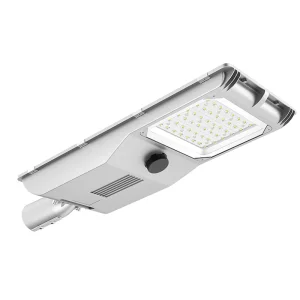
2. Structural Wind Load Resistance: Standard solar lights often fail in high-wind coastal conditions. Industrial street lighting, such as our 300W series, is engineered to withstand wind speeds of up to 50 meters per second, ensuring reliable operation during typhoons and tropical storms.
3. Smart City and Grid Control Protocols: Integrating Power Line Communication (PLC), LoRaWAN protocols, and photocell systems allows municipal engineers to remotely dim fixtures, track battery cycles, and schedule maintenance, reducing local labor costs.
4. High-Efficiency Battery Chemistry: Relying on high-temperature-stable Lithium Iron Phosphate (LiFePO4) chemistry ensures over 3,000 charge-discharge cycles, maintaining performance even in hot tropical regions and cold high-latitude climates.
Ensuring Seamless Global Shipments, Customs Clearance, and Operational Compliance
Compliance is a critical concern for international logistics and procurement teams. The import of solar technology is governed by strict energy efficiency, environmental safety, and battery shipping regulations. Wuxi SWF Lights Co., Ltd. addresses these regulatory requirements through verified certification pathways and structured shipping processes:
Furthermore, SWF Lights offers flexible Incoterms (FOB, CIF) and supports diverse payment structures (L/C for large municipal budgets, T/T for regular production orders, and PayPal for rapid component sampling). This helps international buyers manage trade risks and streamline their logistics operations.
The Convergence of Photovoltaics, IoT Smart Control, and Micro-Storage Systems
The solar lighting industry is moving quickly beyond simple stand-alone fixtures. Key trends shaping the future of commercial exterior lighting include:
Modern decorative lanterns are designed to interface directly with larger home and municipal storage networks, linking solar air conditioners, space heaters, and clean energy storage in a unified, off-grid power loop.
By using smart photocells and infrared motion sensors, fixtures adapt their brightness in real time based on local pedestrian traffic and battery reserves, optimizing energy use throughout the night.
Bifacial solar cells harvest direct sunlight from the sky and reflected light from surrounding surfaces (like concrete or grass), improving winter energy conversion by up to 25%.
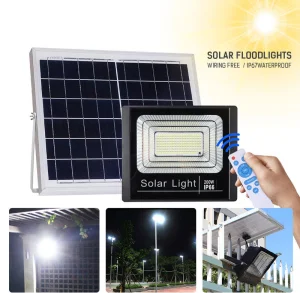
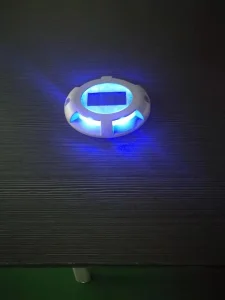
Heavy-Duty Solar Floodlights, Smart Motion Sensors, and Integrated Ground Solutions
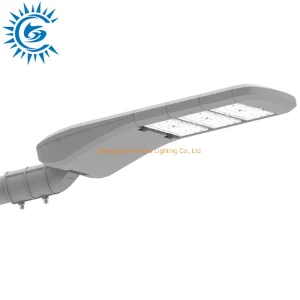
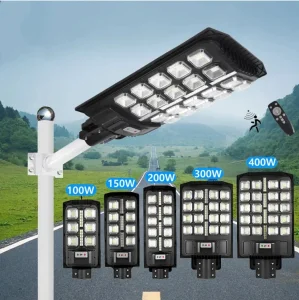
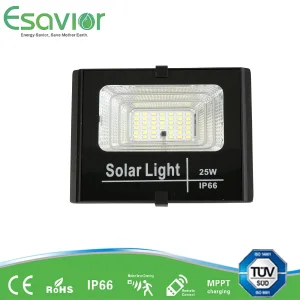
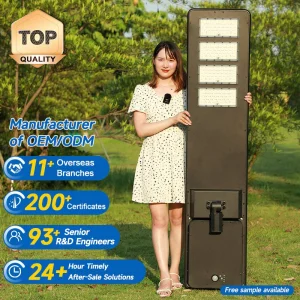
Direct Answers from Engineering and Logistics Experts to Streamline Your Sourcing Process
Vertical manufacturing means that critical components—such as mold processing, lithium-ion battery packaging, solar panel construction, and CSMT LED board mounting—are handled within a single factory group. This reduces quality variations, ensures that all parts are matched for power and voltage, prevents assembly delays, and provides clear accountability under one manufacturer's warranty.
Our heavy-duty streetlights, such as the 300W wind-resistant series, are engineered with robust structural foundations and die-cast aluminum housings. They are aerodynamically rated to withstand wind speeds of up to 50 meters per second (equivalent to a Category 5 hurricane), and features IP66 or IP67 ratings to protect internal electronics from salt-spray corrosion.
Lithium Iron Phosphate (LiFePO4) chemistry offers significant performance advantages, including over 3,000 deep discharge cycles (compared to 500-800 cycles for older Ni-MH cells). LiFePO4 batteries also provide higher energy density, operate safely across a wider temperature range (-20°C to +65°C), and do not suffer from the "memory effect," which degrades battery capacity over time.
Our engineering team can customize several key specifications: light distribution optics, battery capacities, and physical designs. We can adjust solar panel wattages to match regional sunlight availability, customize housing finishes, and integrate smart controls like motion sensors, photocells, and IoT wireless protocols (such as LoRaWAN and PLC).
All battery packs are designed and manufactured in accordance with strict international safety standards. Every production run is backed by comprehensive UN38.3 testing reports and Material Safety Data Sheets (MSDS). We work with certified freight partners to ensure all sea and air shipments fully comply with international dangerous goods transportation regulations.
 SWF Lights