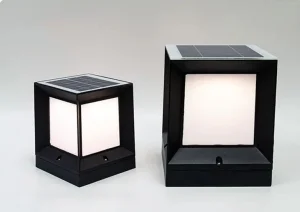
Deploy high-performance, rugged solar luminaires built with monocrystalline photovoltaic conversion modules, smart MPPT charging networks, and long-lifespan storage architectures.
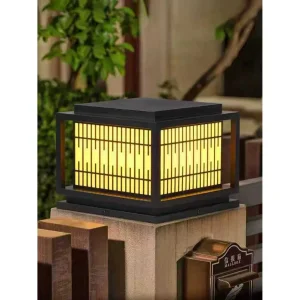
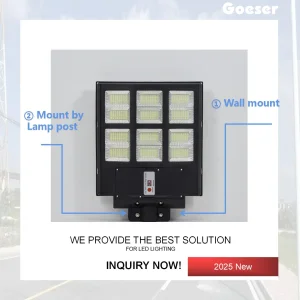
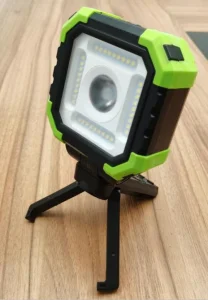
The commercial and industrial (C&I) outdoor lighting sector is undergoing a profound paradigm shift. Driven by aggressive global ESG mandates, the rising cost of grid electrical infrastructure, and structural updates in high-efficiency photovoltaics and lithium chemistries, municipal and private entities are standardizing on decentralized solar lighting systems. Standard AC-grid luminaires incur high structural capital expenditures (CapEx) in trenching, wiring, grid step-down transformers, and regulatory permits. Conversely, intelligent, integrated off-grid solar luminaires establish local, independent micro-grids at zero operational utility costs (OpEx).
In high-density industrial corridors, logistical parks, and municipal transport networks, the stability of localized DC lighting networks mitigates the risks associated with regional brownouts, utility grid overloads, and high maintenance overheads. By using local solar irradiation as a direct fuel source, modern off-grid lighting installations contribute significantly to mitigating Scope 1 and Scope 2 carbon footprint metrics. This aligns with decarbonization frameworks such as the Greenhouse Gas (GHG) Protocol and regional net-zero directives.
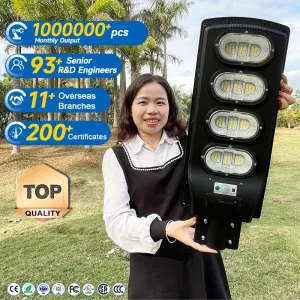
As an established manufacturer in the micro energy storage field, Wuxi SWF Lights Co., Ltd. (established in 2017) maintains a vertically integrated manufacturing infrastructure that ensures strict quality control and customized configuration options. Across our 13 scale-managed production bases, we handle the entire industrial value chain. This spans product design and physical architecture modeling, custom mold engineering, lithium-ion battery pack configuration, PV panel assembly, customized LED optical lens injection, high-precision component surface mounting (CSMT), and comprehensive quality inspection protocols.
With a capitalization of $1.3 million and a yearly investment exceeding 20 million RMB in dedicated R&D engineering, our engineering teams optimize off-grid products to tackle diverse municipal and industrial project briefs. Whether accommodating specific wind-load calculations in coastal areas, meeting strict zero-light-pollution dark sky regulations, or engineering high-vibration resilience for highway bridges, we provide tailored solutions that ensure operational reliability.
Under the hood of a reliable commercial off-grid lighting system lies a series of closely balanced electrical and optical subsystems. Designing an effective OEM solution requires matching the performance of the PV panel, the energy density and temperature tolerance of the storage cells, and the driver curves of the LED chips.
Modern solutions use monocrystalline silicon panels with anti-reflective glass layers, achieving solar energy conversion rates over 21-23%. These panels are designed for structural durability, featuring tempered glass modules rated for hail impact and heavy wind loads. For regions with high wind currents, we optimize the mechanical brackets to withstand wind velocities up to 60 m/s (Category 17 equivalent), preventing shear stress on structural poles.
Compared to legacy AGM lead-acid batteries, modern commercial solar lighting relies on high-stability Lithium Iron Phosphate (LiFePO4) chemistry. LiFePO4 chemistry provides exceptional thermal stability and a long operational lifespan (over 3,000 cycles at 80% Depth of Discharge). We integrate custom-designed Battery Management Systems (BMS) with over-charge, over-discharge, short-circuit, and thermal protection features. In high-latitude installations, optional sub-zero heating elements are built in to maintain reliable lithium ion mobility during winter drops.
Leveraging high-precision CSMT lines, we run LED chips at high luminous efficacy (typically over 170 to 210 lm/W). Our optical lens injection lines shape the emission profile into precise Type II, Type III, or Type V light distributions, maximizing target area illuminance while minimizing light pollution and peripheral glare. Integrated frosted and anti-glare diffusers are also available for residential and pedestrian corridors where visual comfort is paramount.
Operating across diverse geographic regions (Americas, Asia, Middle East, Africa, and Europe) requires meeting distinct regulatory and environmental demands. Our systems are engineered to comply with strict international standards, ensuring smooth project approval and long-term operating durability.
| Compliance / Test | Standard Reference | Operational Significance |
|---|---|---|
| Ingress Protection | IP65, IP66, IP67 | Resilience against dust penetration and high-pressure water jets. |
| Mechanical Impact | IK08 / IK10 Rated | Vandal-resistant housing constructed from tempered glass and heavy-duty structural aluminum. |
| Salt Spray Exposure | ASTM B117 (1000 Hours) | Protects structural parts in marine, coastal, and offshore environments. |
| Safety & Regulatory | FDA, CE, RoHS, UN38.3 | Compliance for lithium transport safety, electrical safety, and environmental materials. |
We configure our custom solar packages for a wide variety of installation scenarios, balancing performance requirements with regional budgets:
The future of solar lighting lies in smart city connectivity and next-generation materials. Wuxi SWF Lights is actively developing IoT-ready node integration, supporting LoRaWAN and NB-IoT communication protocols. This allows municipal operators to monitor battery health, adjust brightness curves, and run diagnostic cycles remotely from a central control console. Additionally, our R&D team is testing next-generation high-efficiency solar cells and solid-state battery modules to deliver excellent cold-weather performance and longer operating lifespans.
Get answers to critical engineering, installation, and deployment questions about our custom solar lighting systems.
Lithium Iron Phosphate (LiFePO4) offers excellent thermal stability and fire safety, and handles high operational currents effectively. It provides over 3,000 charge cycles at 80% Depth of Discharge, outlasting ternary lithium (approx. 1,000 cycles) and lead-acid (approx. 400-600 cycles). This translates to reduced maintenance costs and longer field lifetimes.
Our systems use microwave radar or passive infrared (PIR) sensors coupled with smart controller algorithms. The system drops to a dim energy-saving mode (e.g., 20-30% brightness) when no activity is detected, saving power. Once motion is detected, it ramps up to 100% brightness instantly. This adaptive design keeps the light operational even during extended periods of cloudy weather.
Standard lithium batteries lose efficiency in sub-zero temperatures. To address this, we build in optional smart temperature control systems. These systems use internal heating pads powered by the PV panel to warm the battery compartment to safe charging temperatures, ensuring reliable performance in cold climates.
We offer full-service customization, including structural steel pole engineering, custom-molded housing shapes, customized LED optical distributions, and battery sizing. We can also integrate smart IoT modules for remote system monitoring and configure colors and branding to match your project specifications.
Managing the production process in-house—from battery assembly and PV laminating to lens injection and final testing—ensures strict quality control at every stage. It also minimizes lead times, allowing us to deliver orders within 15 working days even during peak production seasons.
At Wuxi SWF Lights, we deliver on our promises with action. By controling the manufacturing supply chain, we offer robust, high-performance solar lighting systems designed to lower your carbon footprint and eliminate utility energy costs.
Design, molds, panels & SMT all in-house
Reliable solutions deployed worldwide
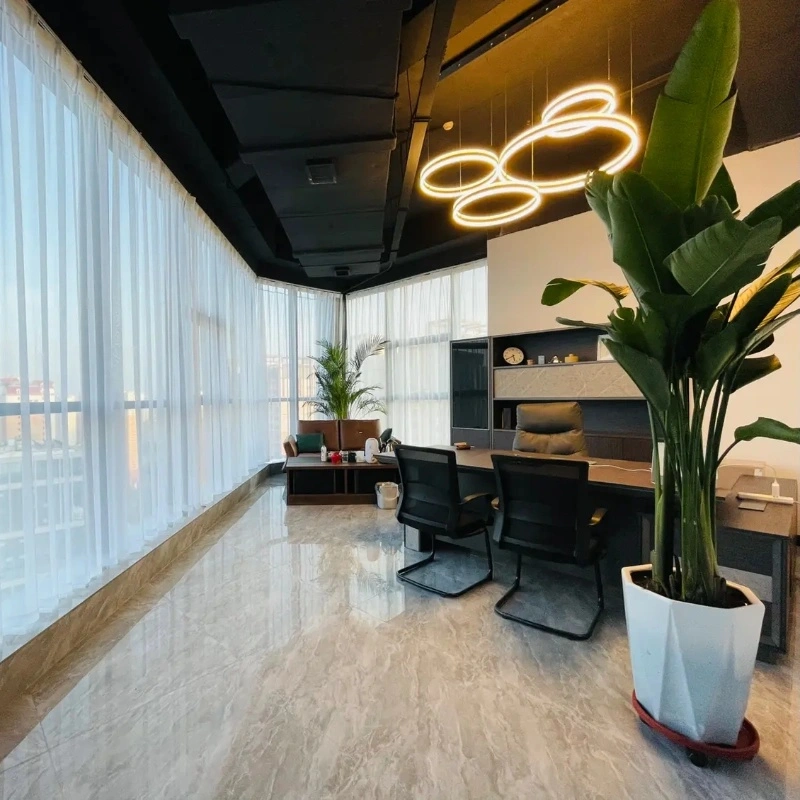
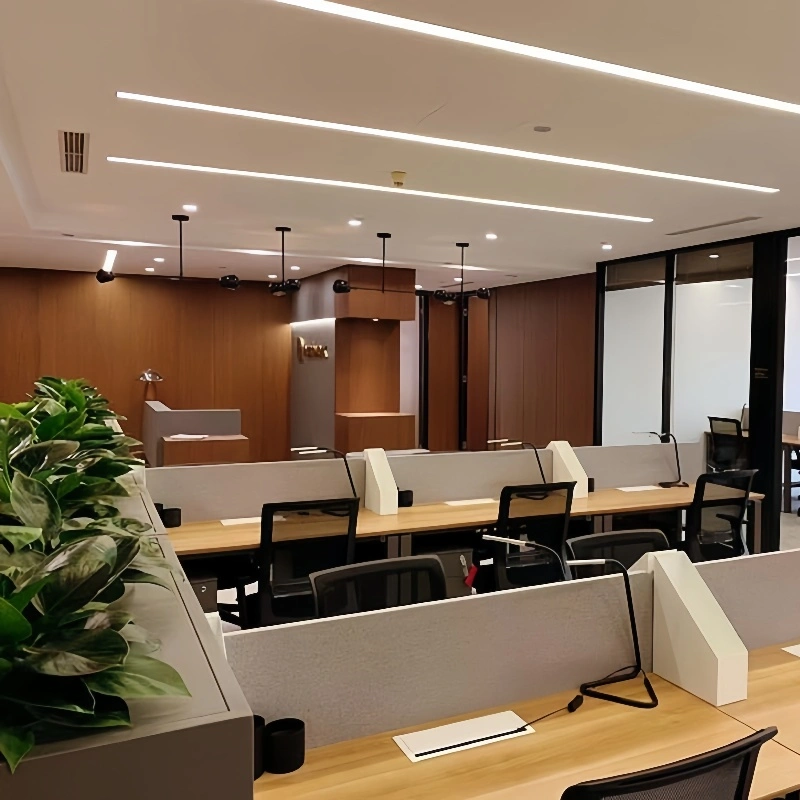
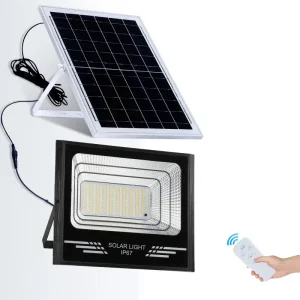
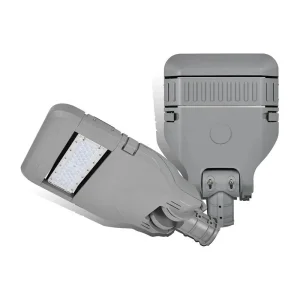
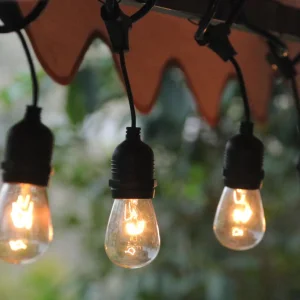
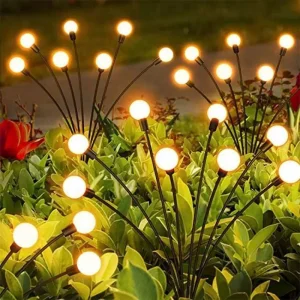
Explore our full line of outdoor lighting options, featuring integrated streetlights, parking lot luminaires, and decorative accents built for long-term reliability.
 SWF Lights