SWF Lights
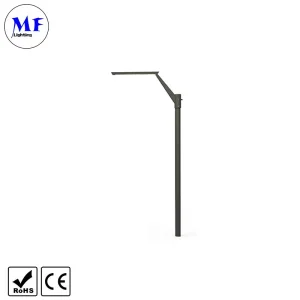
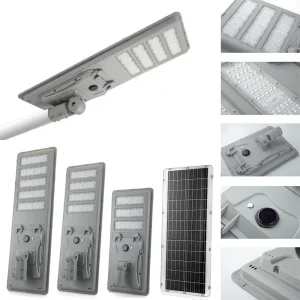
High-efficiency, corrosion-resistant lighting modules engineered for immediate commercial deployment across Tarawa, Kiritimati, and outer islands.
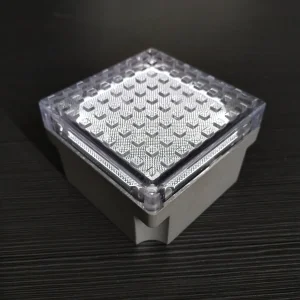
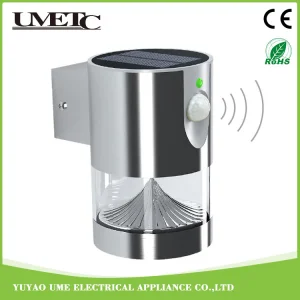
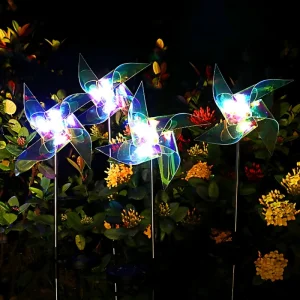
Kiribati, comprising 33 low-lying coral atolls dispersed across 3.5 million square kilometers of the central Pacific Ocean, is at the front line of climate vulnerability and energy transformation. With traditional electricity grids limited to urban centers like South Tarawa and Kiritimati Island, micro off-grid generation and localized solar installations are vital components of national security, social stability, and economic development. High logistics costs for diesel imports make decentralized solar energy systems the most viable long-term solution.
However, deploying standard photovoltaic systems in Kiribati is fraught with severe engineering challenges. Atoll environments feature continuous exposure to airborne saline spray, humidity exceeding 85%, intense tropical UV indexes (often reaching 11+), and occasional cyclonic storms. Traditional outdoor fixtures fail prematurely due to galvanic corrosion, water ingress, and battery degradation under constant high temperatures. The demand in Kiribati is not merely for solar lights, but for rugged, marine-grade solar lighting solutions built to withstand these precise conditions.
How engineering innovations overcome the destructive properties of Pacific island environments.
To prevent rapid corrosion from salty ocean air, casings are treated with multi-layer powder coatings meeting C5-M (Marine) standards. Utilizing die-cast aluminum alloys and UV-stabilized heavy-duty ABS ensures structural integrity over 10+ years without rust-induced structural failure.
High ambient equatorial temperatures cause standard lithium batteries to swell and lose capacity. SWF integrates Grade-A Lithium Iron Phosphate (LiFePO4) battery packs featuring advanced Battery Management Systems (BMS), maintaining thermal stability up to 60°C and offering >3,000 deep discharge cycles.
Tropical downpours and high humidity demand complete ingress protection. Our light fixtures use double-tongue silicone gasket seals, waterproof connectors, and anti-condensation breathing valves to ensure internal electronics remain bone-dry during monsoon conditions.
| Performance Indicator | SWF Marine-Grade Solar Lights | Standard Outdoor Solar Lights | Relevance to Kiribati Market |
|---|---|---|---|
| Casing Material | Anodized Aluminum (6063-T6) & UV-Resistant PC | Recycled ABS / Untreated Steel | Prevents brittle failure from intense solar UV & salt corrosion. |
| Battery Chemistry | LiFePO4 (Grade-A, Integrated BMS) | Standard Ternary Li-ion / Lead-Acid | Safeguards against thermal runaway in high-heat zones. |
| Ingress Protection | Certified IP66 / IP68 (Dual Seal) | IP65 (Single Seal or No Certification) | Prevents salt-water vapor condensation inside optical chambers. |
| Solar Conversion Efficacy | >21.5% (High-Efficiency Monocrystalline) | 15% - 17% (Polycrystalline / Thin Film) | Ensures full recharge even during overcast rainy days. |
| Motion Sensors | Microwave Radar Induction (12m range) | PIR Infrared Sensors | Microwave radar bypasses heavy moisture/humidity interference. |
Global Energy Innovation
Large-Scale Production Facilities
Annual Product R&D Budget
Annual Export Value
Established formally in 2017 in Wuxi, Wuxi SWF Lights Co., Ltd. has developed over 8 years into an integrated pioneer in micro energy storage systems and sustainable outdoor lighting. We control the entire vertical manufacturing chain, allowing us to maintain rigorous quality control standards that traders cannot match. Our capacity ranges from initial optical modeling to final sea-freight packing, making us the partner of choice for Pacific Island development projects.
Our 13 specialized manufacturing hubs house state-of-the-art facilities for mold processing, lithium-ion battery pack assembly, high-efficiency solar panel laminating, precision LED lens injection, and automated SMT placement. This vertical integration guarantees that every component—from the high-efficacy LED chip to the robust battery enclosure—is balanced for thermal compatibility and lifespan expectancy.
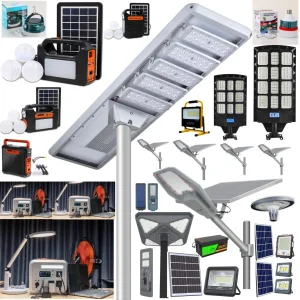
We provide specialized, high-yield solutions designed for complex environments where electricity access is minimal, unreliable, or prohibitively expensive. Beyond garden lighting, our technologies scale up to solar streetlights, micro-grid PV panels, and high-efficiency hybrid off-grid solutions. This delivers immediate, real-world utility for regional contractors and distributors targeting infrastructure redevelopment tenders funded by international development agencies (such as the ADB, World Bank, and Pacific Community-SPC).
Streamlining supply chain operations from our factory floor to the ports of Tarawa and Kiritimati.
As a trusted manufacturer and trade entity, we support flexible transactional frameworks to suit diverse public-private procurement requirements:
Shipping to the Pacific Islands demands strict attention to humidity control during sea transit. Our standard shipping procedures include:
Addressing technical, operational, and logistics concerns for B2B buyers in the Pacific region.
Our outdoor lighting fixtures utilize specialized anodized aluminum alloys (6063-T6) alongside multi-layer anti-corrosion marine-grade powder coatings. Additionally, stainless steel components are upgraded to grade 316, preventing rust and degradation even under direct saltwater spray.
Yes. By pairing high-conversion monocrystalline solar panels (over 21.5% efficiency) with smart MPPT controllers and deep-cycle LiFePO4 batteries, our lights support 3 to 5 consecutive cloudy days of autonomy. Intelligent dimming and microwave motion detection reduce energy draw when no traffic is detected.
Our industrial-grade systems have an engineered operational life of 8-10 years. We offer a comprehensive manufacturer's warranty of 3 to 5 years, which covers performance metrics under tropical maritime conditions, backed by our vertical Quality Control workflow.
The standard MOQ varies by product type, starting from 50 to 100 units for standard fixtures. Since Wuxi is located close to Shanghai Port, we typically complete production within 15 workdays, with maritime transit to Betio Port (Tarawa) taking an additional 25 to 35 days depending on shipping line routing.
Select from our fully integrated product range to support municipal, commercial, or residential installations.