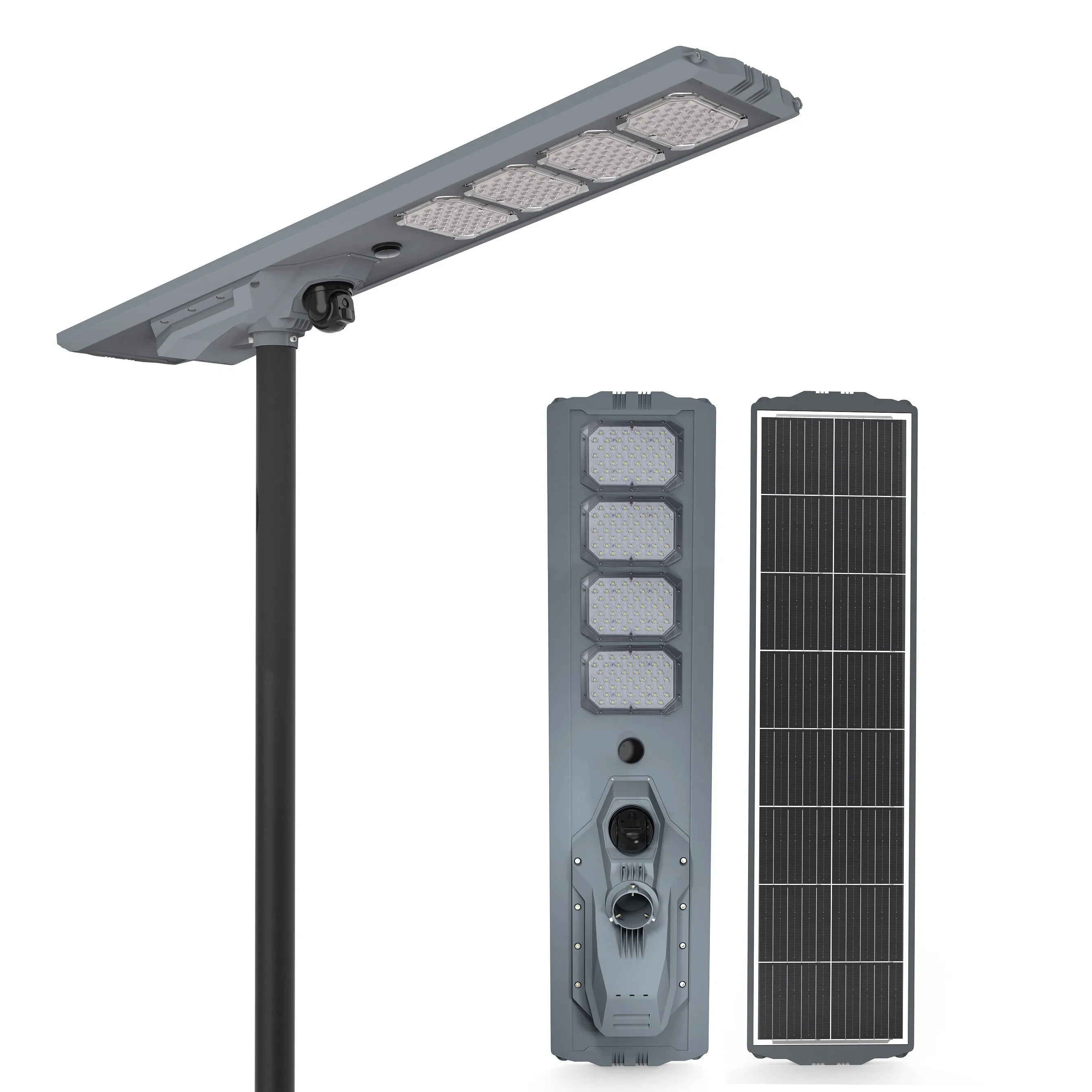
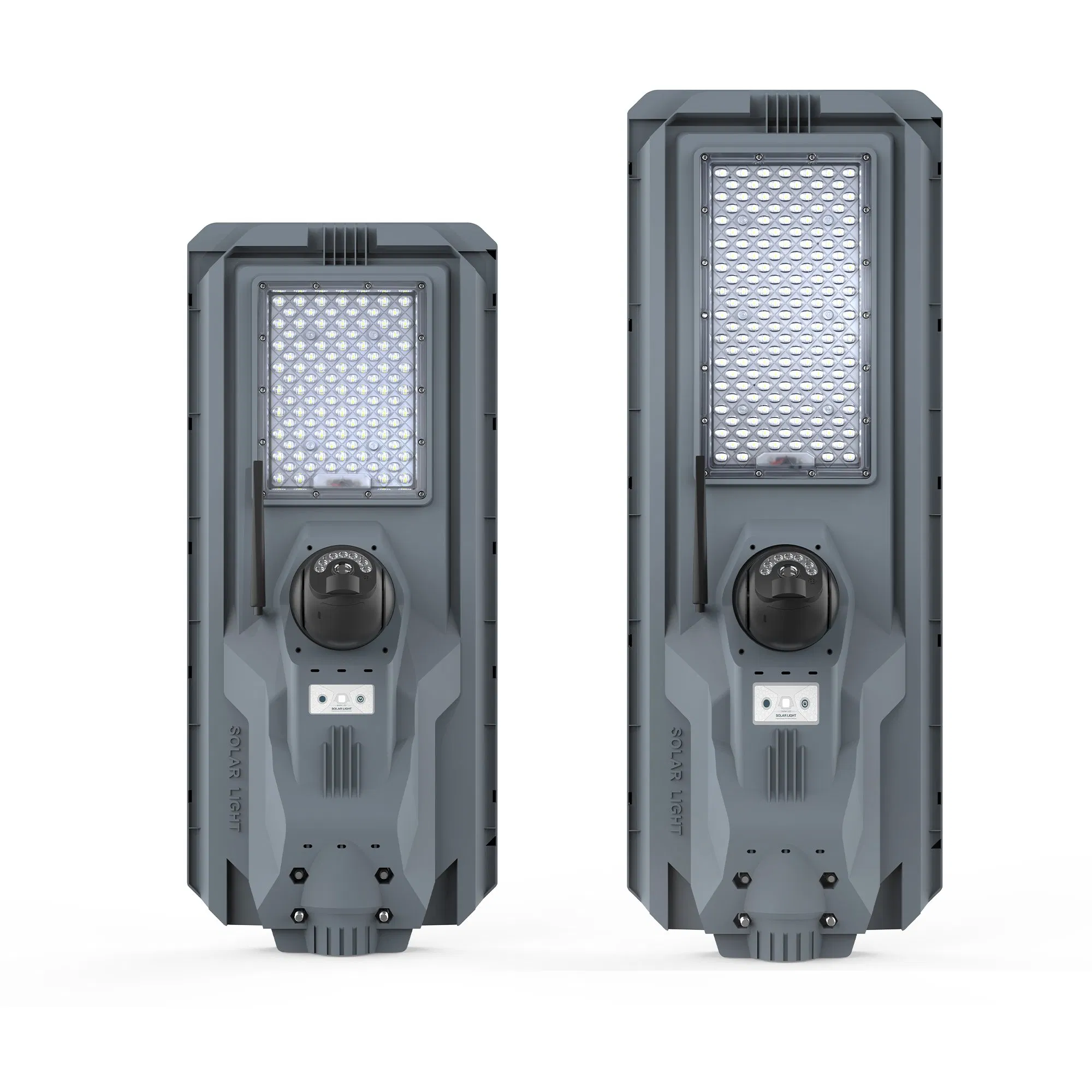
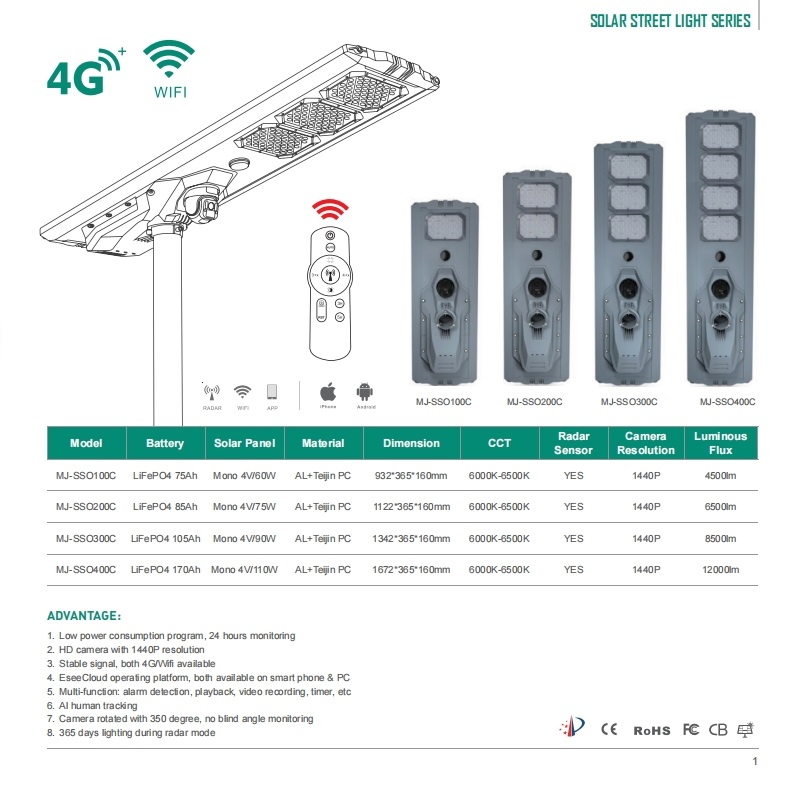
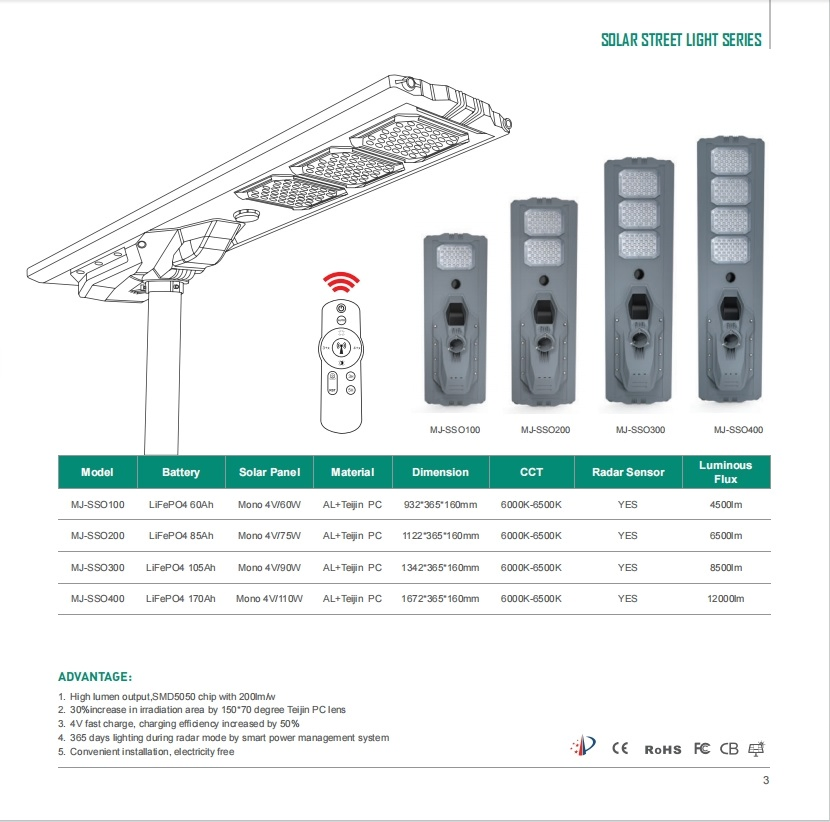
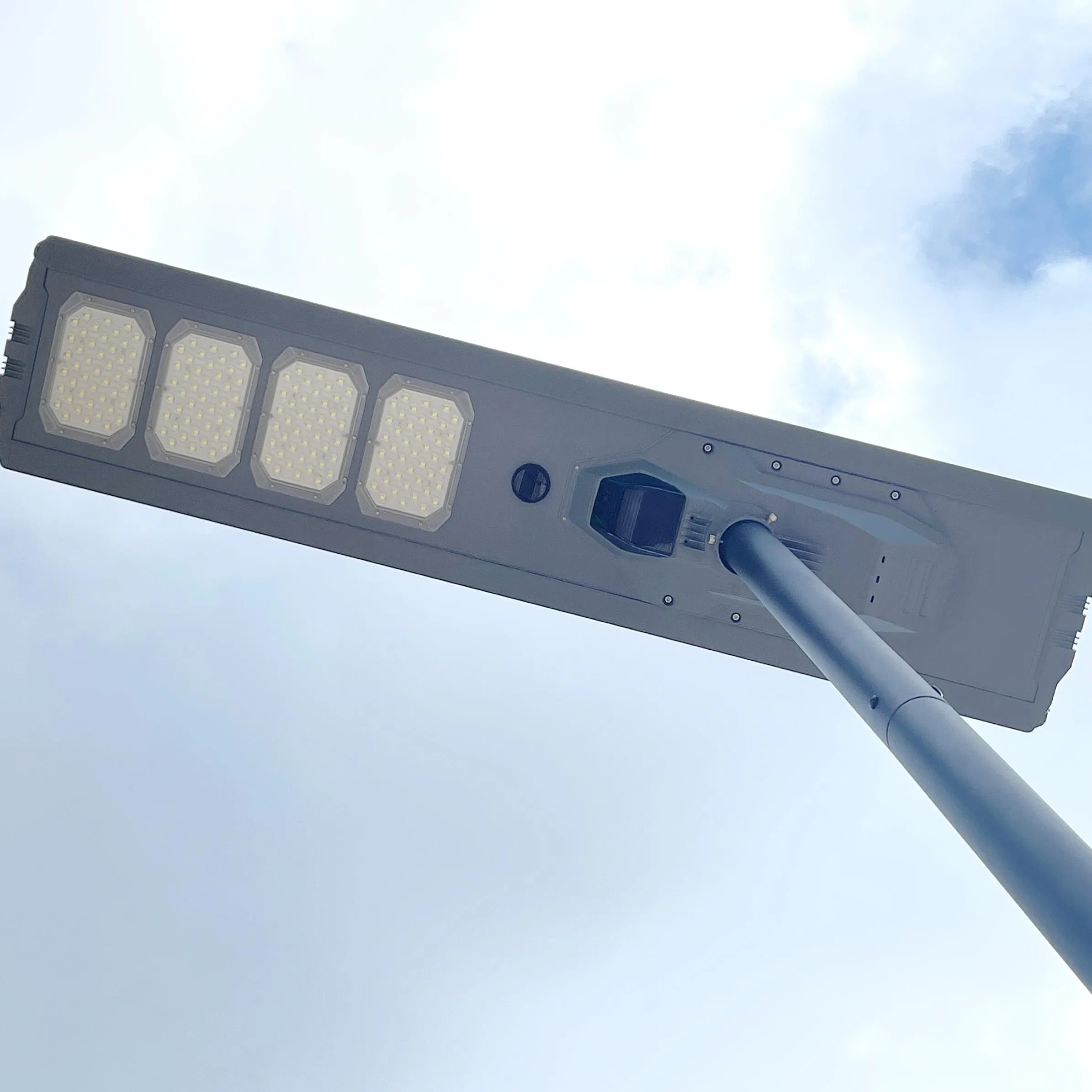
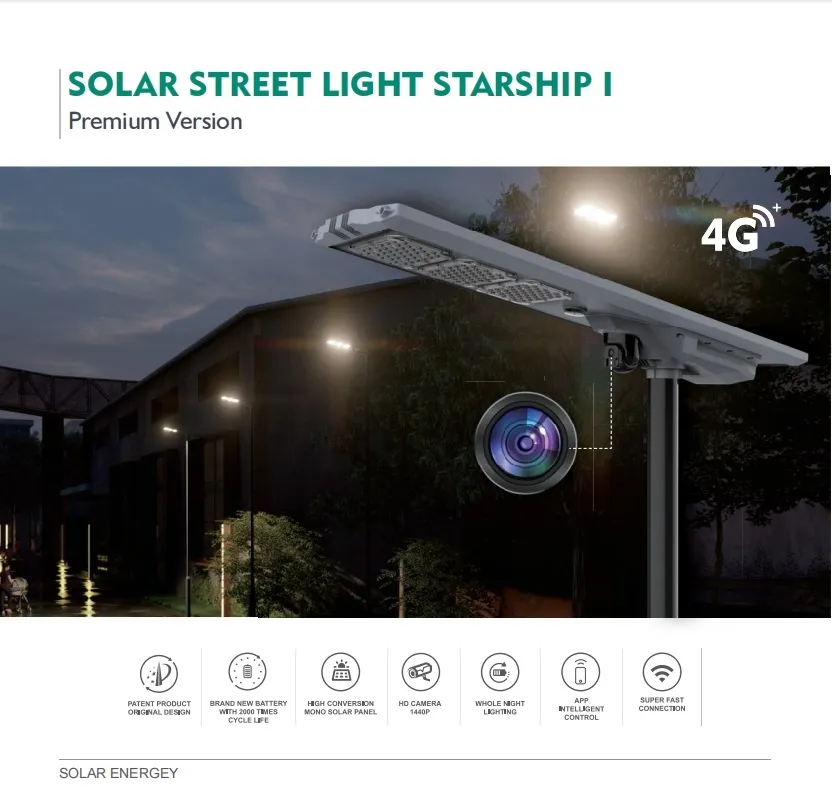
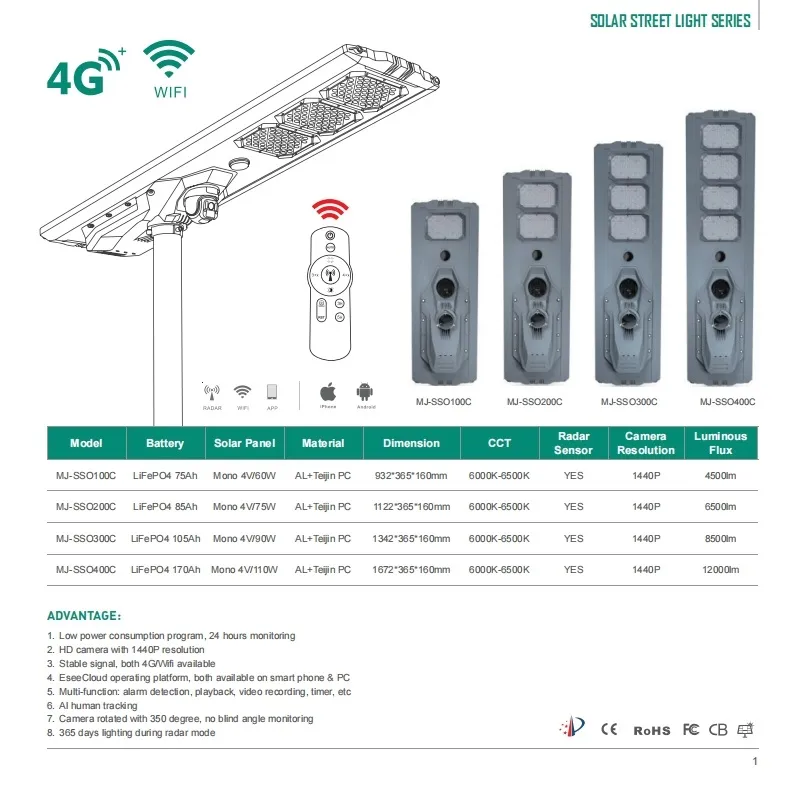
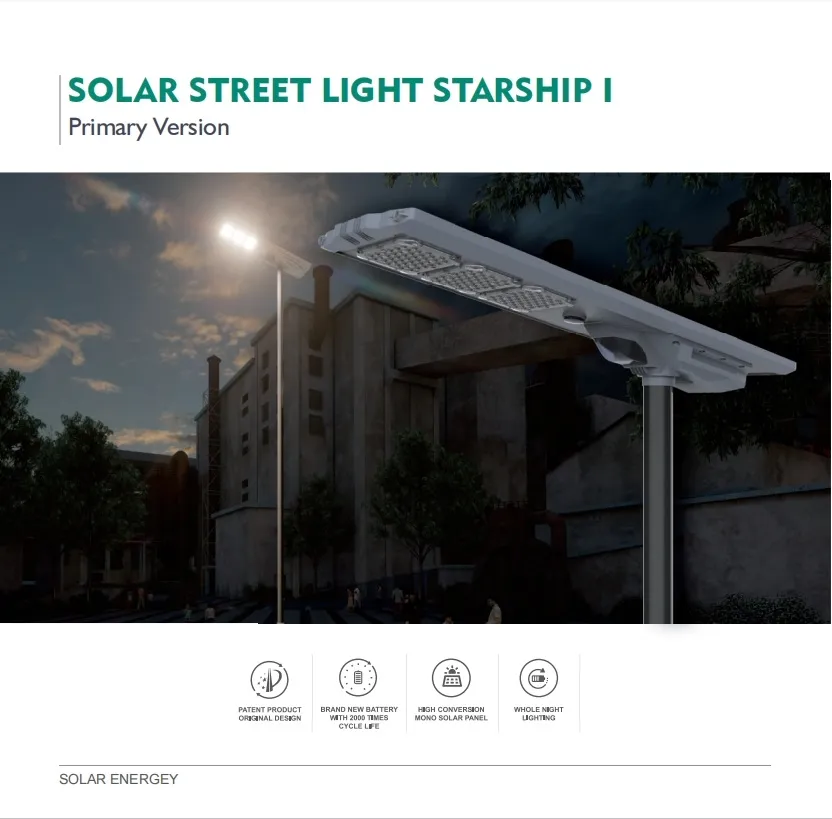
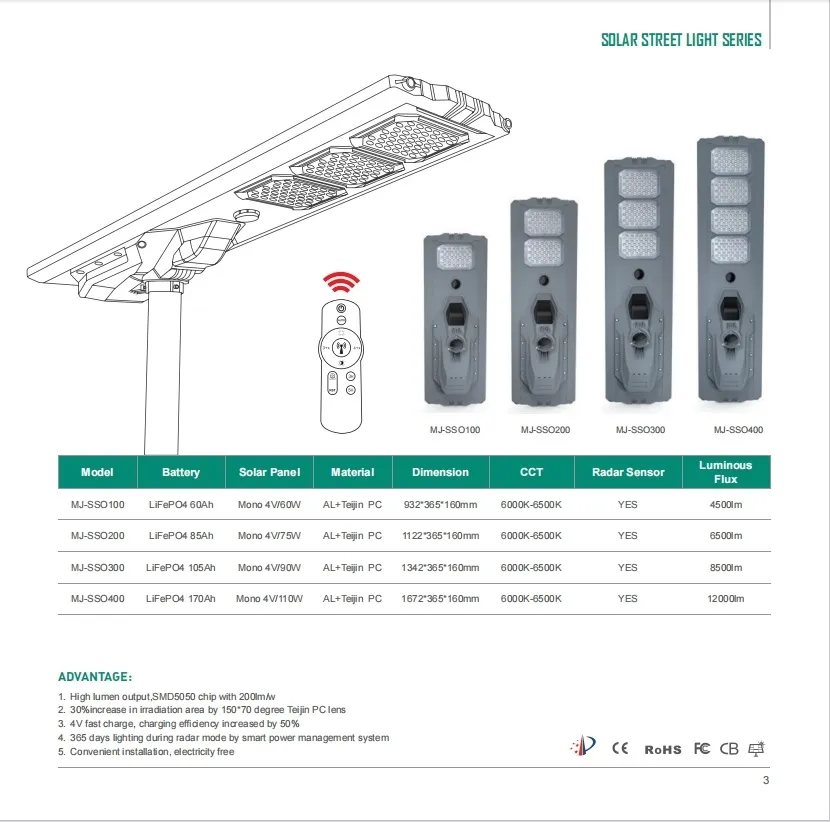
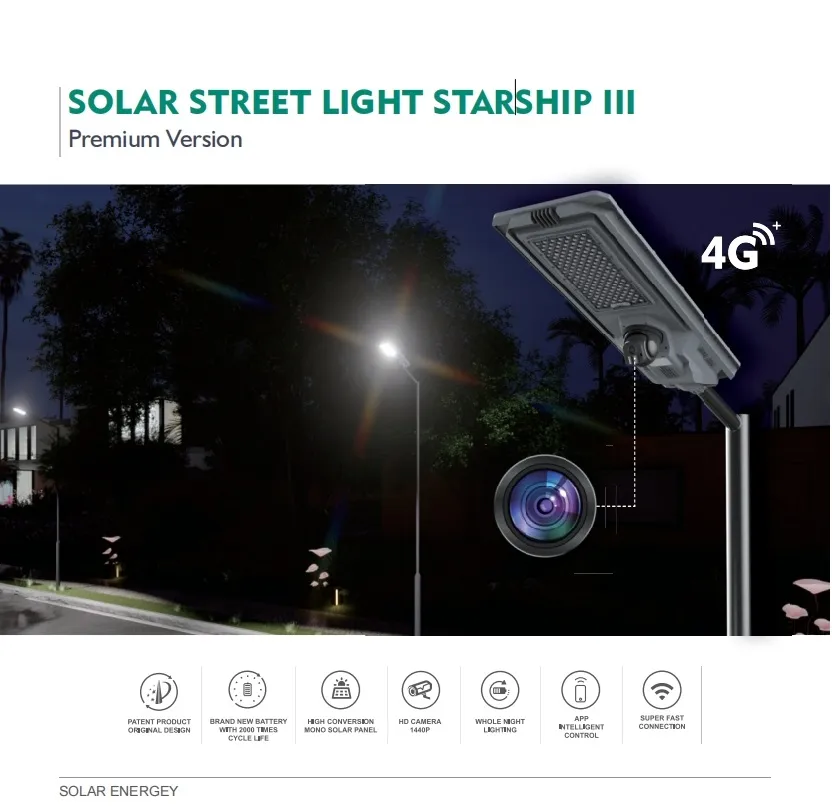
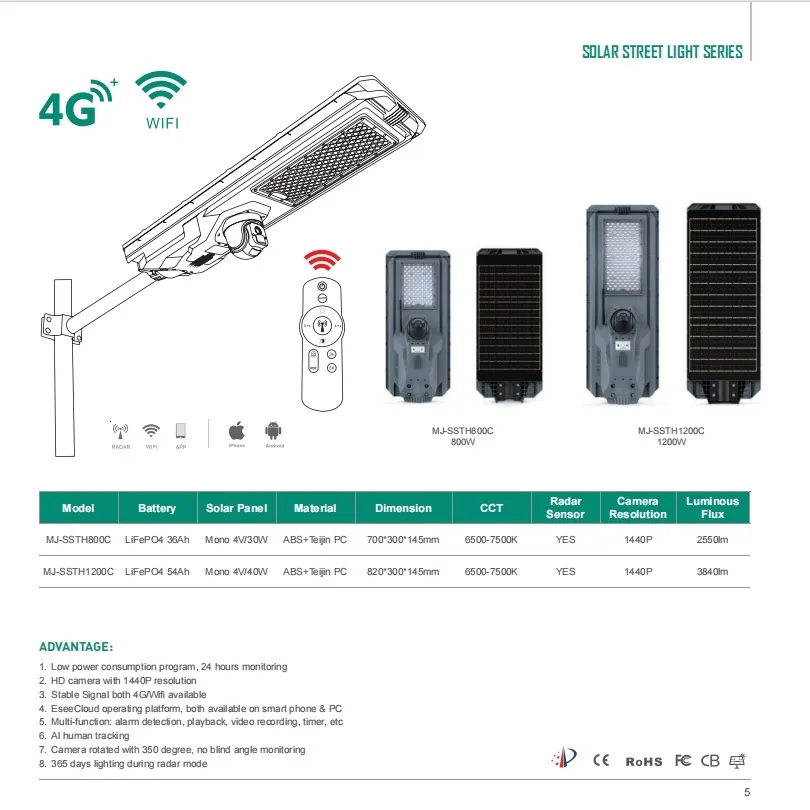
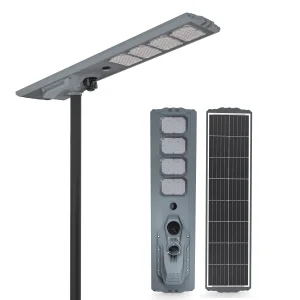
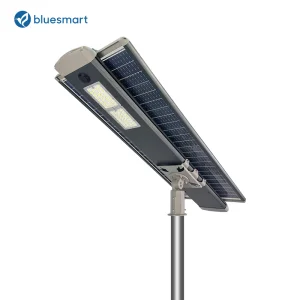
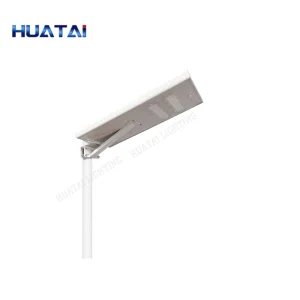
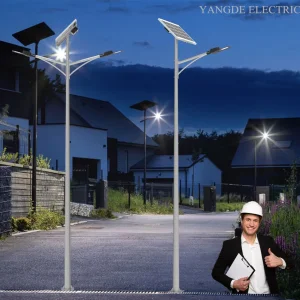
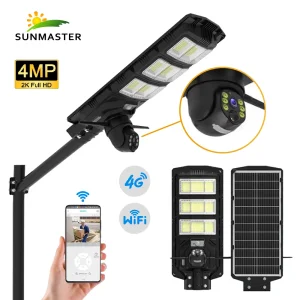
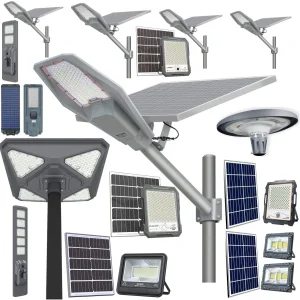
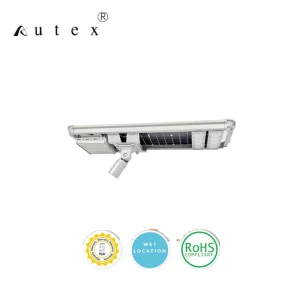
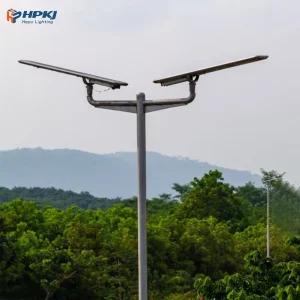
IP67 High Power 60 Watt LED Solar Street Light (SX-TYN-LD)
★ Important Hints
1. Please do not receive solar panels above 6V to avoid damage.
2. Please do not connect 220V AC to avoid damaging solar lights!
3. Fix solar panels and lamps securely against wind hazards.
4. Do not disassemble the solar lamp to maintain warranty and function.
5. Clean dust and dirt from solar panels every 3 months for optimal performance.
6. Check regularly for loose or broken wiring.
7. Batteries are recyclable; please do not litter.
8. Ensure full charge before initial use for over 12 hours of operation.
★ Solar Charging Conditions
International Standard Test conditions for solar panels: AM 1.5, 1000W/m2 at 25°C
AM 1.5: Actual distance of light through the atmosphere.
25°C: Standard charging temperature.
1000W/m2: Intensity of sun's radiation for maximum current.
Proposal: During continuous rainy days, use the remote control to save electricity and prolong battery life.
Detailed Photos
Packaging & Shipping
Frequently Asked Questions
1. How many cycles of full charge and discharge does the battery support?
At 50% discharging depth, it can be cycled for 1,200 times. In floating charging and discharging status, it can reach 5,000 to 6,000 cycles.
2. How to choose between 12V and 24V system voltage?
We can design the system for 12V or 24V specifically for solar street lights, or 220-380V for traditional street light configurations.
3. What is the difference between mono and polycrystalline solar panels?
The main differences are the production process and cost. Polysilicon is an older, more mature technology, while Monosilicon offers different efficiency profiles.
4. Does the controller have dual time control functions?
Yes, our solar charge controller is designed with dual time control. You can set the lighting time in parts, such as 6 hours at full power and 6 hours at half power.
5. What is the recommended installation height for these solar lights?
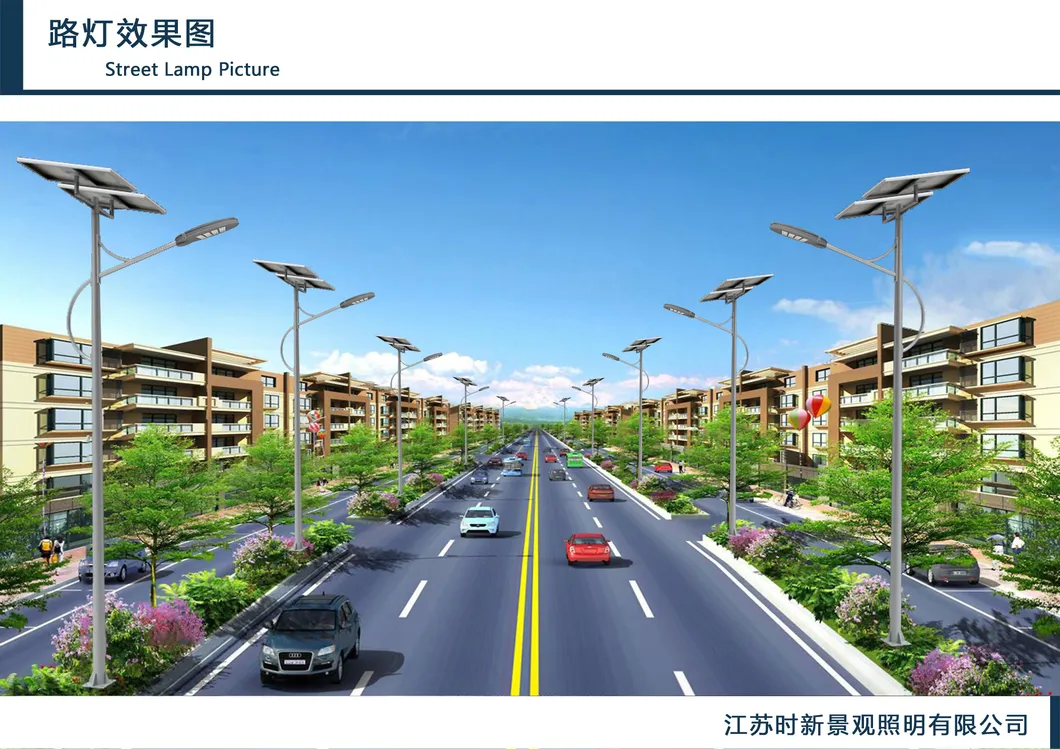
Depending on the specific power and model, the recommended installation height ranges from 5 to 15 meters for optimal illumination.
6. How long does the light take to charge under standard conditions?
Under standard solar radiation intensity, the system typically requires approximately 6 hours of charging time to provide a full 8 hours of illumination.
 SWF Lights